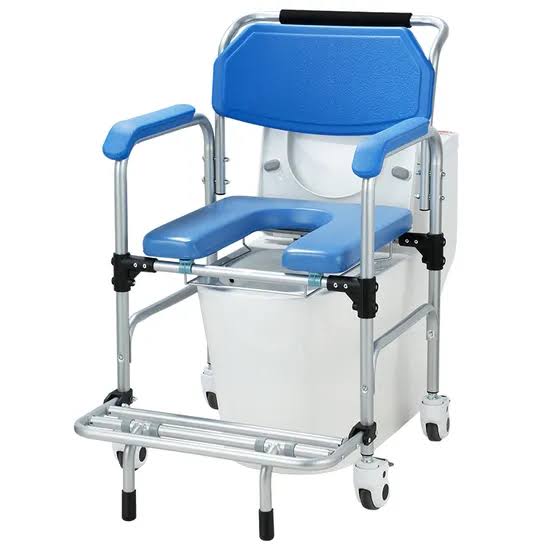
Medical Portable Toilets are specialized mobile sanitation units designed to provide clean, safe, accessible toilet facilities in healthcare environments. They are especially useful where permanent plumbing is unavailable, damaged, overloaded, or undergoing renovation. Hospitals, clinics, medical camps, temporary treatment centres, and emergency facilities can deploy them quickly. The right unit supports hygiene, privacy, patient dignity, accessibility, and efficient healthcare operations.
Healthcare facilities cannot treat sanitation as an afterthought. A poorly designed portable toilet can create unpleasant odours, difficult cleaning routines, accessibility challenges, and uncomfortable conditions. A well-designed unit provides a fresh, private, stable, and sanitary environment for patients, caregivers, medical professionals, and visitors. This makes portable sanitation a valuable part of temporary and expanding healthcare infrastructure.
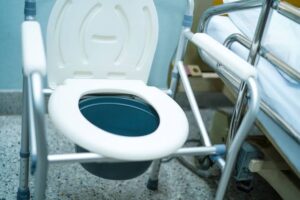
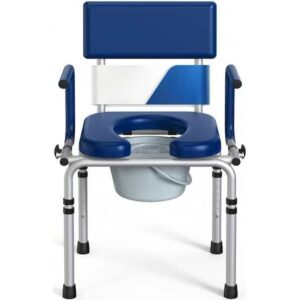
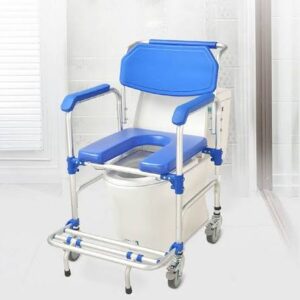
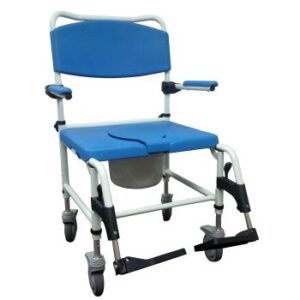
What Are Medical Portable Toilets?
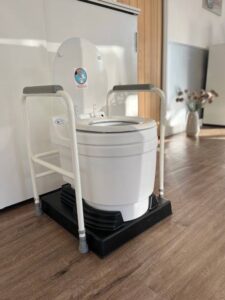
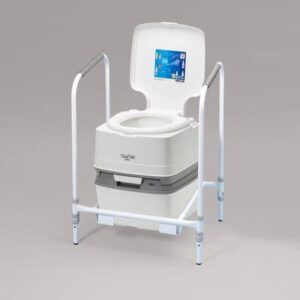
Medical Portable Toilets are movable toilet facilities adapted for healthcare settings and frequent use. They may feature flushing systems, chemical waste treatment, handwashing stations, ventilation, lighting, grab rails, accessible entrances, and self-contained waste tanks. Depending on the application, units can be manufactured from polyethylene, PVC, FRP, fiberglass, stainless steel, aluminium, or reinforced plastic. Their specifications should match user volume, location, accessibility requirements, and servicing arrangements. Unlike basic temporary sanitation units, healthcare facilities need solutions that are easy to clean and capable of supporting demanding hygiene routines. This is particularly important for patients with limited mobility, elderly users, pregnant women, children, caregivers, and people requiring additional assistance. Proper design therefore combines durability with comfort and accessibility. The result is a more dependable sanitation facility for sensitive environments.9 Important Features of Medical Portable Toilets 1. Wheelchair Accessibility
Accessibility is essential because patients may have mobility limitations or temporary injuries. A suitable unit should provide sufficient door clearance, internal turning space, grab rails, and stable non-slip flooring. A wheelchair accessible porta potty can make toilet access easier for wheelchair users and caregivers. Accessible design also benefits elderly people and patients recovering from medical procedures. 2. Hygienic, Easy-to-Clean Surfaces Healthcare toilets require frequent cleaning and disinfection. Smooth surfaces can reduce dirt accumulation while making routine servicing more efficient. Durable materials should withstand repeated washing without quickly deteriorating. A quality unit should remain clean, fresh, and presentable even under high-traffic conditions. 3. Effective Odour Control Odour can quickly make a healthcare environment uncomfortable. Properly sealed waste tanks, ventilation, chemical treatment, and scheduled servicing can significantly improve the user experience. Depending on the application, a portable chemical toilet or waterless portable toilet can provide practical waste-management options. The appropriate system depends on water availability, usage levels, and servicing arrangements. 4. Integrated Handwashing Hand hygiene is fundamental to a clean healthcare environment. Facilities can specify a portable sink and toilet, handwashing station, soap dispenser, hand sanitizer, mirror, or touchless fittings. Convenient access encourages users to clean their hands immediately after toilet use. Integrated hygiene facilities can also reduce unnecessary movement around temporary medical sites. 5. Reliable Waste Capacity Waste capacity should reflect expected traffic and servicing frequency. Hospitals and medical camps with many daily users may require high-capacity tanks and frequent servicing. Self-contained waste tanks can simplify installation where conventional drainage is unavailable. Buyers should confirm capacity, cleaning schedules, waste disposal procedures, and maintenance requirements before ordering. 6. Durable and Weather-Resistant Construction Outdoor healthcare facilities may face intense sunlight, heavy rainfall, humidity, dust, and continuous use. Durable polyethylene, FRP, fiberglass, PVC, or reinforced plastic can provide suitable performance when properly manufactured. Weather-resistant construction is particularly valuable for emergency clinics and temporary medical camps. Strong construction can also reduce replacement and long-term operating costs. 7. Adequate Ventilation and Lighting Good ventilation helps improve comfort and manage unpleasant odours. Proper airflow should operate without compromising privacy or security. Lighting is equally important when healthcare facilities operate around the clock. These features become especially valuable during emergency deployments and night-time medical operations. 8. Privacy and Patient Dignity Patients deserve privacy whether they use a permanent bathroom or temporary facility. Secure doors, reliable locks, adequate internal space, appropriate lighting, and clean surroundings all contribute to dignity. Premium healthcare facilities may consider executive portable restrooms where additional comfort is required. However, safety, accessibility, hygiene, and functionality should remain the primary priorities. 9. Flexible Rental, Delivery, and Servicing Healthcare requirements can change rapidly. Medical Portable Toilets can support emergency rental, short-term rental, long-term rental, hospital renovation, disaster response, medical outreach, and temporary clinics. Clients may request daily, weekly, or monthly rental arrangements depending on project duration. Delivery, installation, cleaning, waste removal, servicing, pickup, and emergency support should be clearly included in the quotation.Portable Toilet Price, Rental Cost and Buying Considerations
People searching for Portable toilet price in Nigeria, Portable toilet for sale in Nigeria, Portable toilet for sale, or Portable toilet for hire should compare specifications rather than headline prices alone. Costs can depend on size, material, capacity, accessibility, waste technology, delivery distance, servicing frequency, and rental duration. Other common searches include Mobile toilet price, Mobile toilet in Nigeria, Mobile toilet for hire, Mobile toilet for sale, and Mobile toilet for rent. A professional quotation should clearly separate equipment, delivery, installation, servicing, and maintenance costs. Buyers may also investigate medical portable toilets for sale, FRP portable toilet, FRP toilet, FRP toilet price, PVC portable toilet, mobile plastic toilets for sale, mobile ablution units for sale, and prefabricated toilets. Used options such as used port o potty for sale, used porta potty sales, and second hand toilet units may appear cheaper. However, healthcare applications require careful inspection of hygiene, structural condition, waste systems, accessibility, and overall reliability. For rental projects, searches can include temporary toilet rental prices, mobile toilet hire prices, toilet hire cost, portable bathroom rental cost, outdoor toilet rental prices, and porta potty rental cost monthly. Event-related searches include portable toilet rental for events, event portable toilet rental, wedding restroom trailers, and toilets to hire for events. These applications differ from healthcare requirements, so specifications should always reflect the intended users and environment.