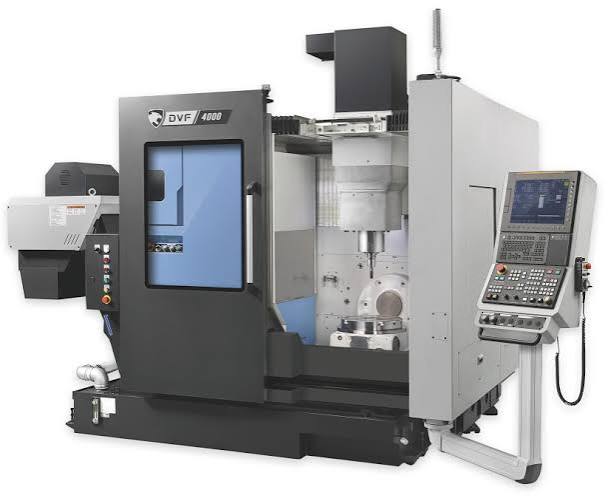
CNC Machining is the computer-controlled process of manufacturing precision components using programmed machine tools. It delivers remarkable accuracy, repeatability, and efficiency across industries where quality cannot be compromised. When performed correctly, CNC machining reduces waste, improves productivity, and produces components that consistently meet demanding engineering specifications.
However, many manufacturers unknowingly make small machining mistakes that gradually reduce product quality. These errors increase production costs, create unnecessary downtime, and damage customer confidence. Even advanced equipment cannot compensate for poor manufacturing practices or inadequate process control.
Understanding these costly mistakes helps manufacturers improve operational performance while protecting profitability. Preventing defects is always less expensive than correcting them after production has begun.


What Is CNC Machining?
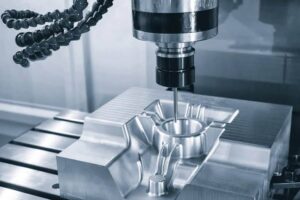
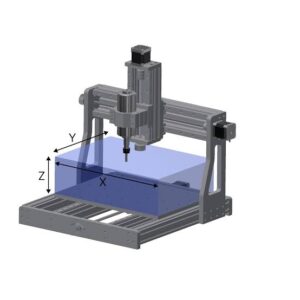
CNC Machining is a manufacturing process where computers control cutting tools, milling machines, lathes, routers, and machining centres to remove material with exceptional precision. Every movement follows programmed digital instructions, producing identical components with outstanding dimensional accuracy.
Unlike manual machining, CNC technology delivers repeatable results regardless of production volume. This consistency makes it indispensable for construction, automotive, aerospace, oil and gas, marine, mining, medical, defence, railway, power generation, and industrial manufacturing.
Modern factories rely on CNC machining because it combines automation with engineering precision. The result is faster production, lower operating costs, and consistently superior product quality.
Why Product Quality Depends on Process Discipline
Outstanding manufacturing is rarely achieved through equipment alone. Product quality depends on disciplined production planning, proper programming, accurate tooling, routine maintenance, and continuous inspection throughout every manufacturing stage.
When one part of the production process fails, defects often spread throughout an entire production batch. Manufacturers may lose valuable materials, production time, and customer trust before identifying the underlying problem.
Businesses that consistently produce world-class components understand that quality begins long before machining starts. Every engineering decision influences the finished product.
Mistake 1: Using the Wrong Cutting Tools
Selecting inappropriate cutting tools remains one of the most common causes of poor machining performance. Tool geometry, coating, material composition, and cutting capability must match both the workpiece material and machining operation.
Using unsuitable tools creates rough surface finishes, excessive vibration, dimensional inaccuracies, and premature tool wear. These problems increase production costs while reducing machining efficiency.
Professional manufacturers evaluate tooling requirements before production begins. This proactive approach improves precision while extending equipment life.



Mistake 2: Ignoring Machine Calibration
Precision manufacturing depends on machines operating within exact engineering tolerances. Even slight calibration errors can produce components that fail inspection despite appearing visually acceptable.
Regular calibration ensures spindle alignment, axis positioning, and machine movement remain accurate throughout production. Consistent verification protects dimensional integrity while reducing expensive rework.
Manufacturers who establish preventive calibration schedules experience fewer production interruptions and significantly higher product consistency.
Mistake 3: Incorrect Programming Parameters
Programming errors frequently create hidden manufacturing defects. Incorrect spindle speeds, feed rates, tool paths, or cutting depths reduce machining quality while accelerating equipment wear.
Well-developed CNC programs optimise material removal while maintaining excellent surface finishes and dimensional accuracy. Simulation software further reduces risk by identifying programming errors before production begins.
Investing time in program verification consistently delivers higher productivity and lower manufacturing costs.
Mistake 4: Poor Material Selection
Even perfect machining cannot compensate for unsuitable raw materials. Material hardness, strength, machinability, thermal stability, and application requirements must align with product specifications.
Selecting inferior materials often results in excessive tool wear, inconsistent dimensions, surface imperfections, and premature product failure. Reliable procurement processes minimise these risks while improving production consistency.
Successful manufacturers treat material selection as an essential part of quality assurance rather than a purchasing decision alone.
Mistake 5: Neglecting Preventive Maintenance
Every CNC machine experiences gradual wear during normal operation. Bearings, guideways, lubrication systems, cooling systems, and spindle assemblies require regular inspection and maintenance.
Ignoring preventive maintenance increases downtime while reducing machining precision. Minor mechanical issues eventually develop into expensive production failures that interrupt manufacturing schedules.
Routine maintenance protects equipment investment while supporting reliable, high-quality production over many years.
Mistake 6: Skipping Quality Inspection During Production
Many manufacturers inspect components only after production is complete. This approach often allows defects to multiply before anyone notices the problem. By then, valuable time, raw materials, and production capacity have already been lost.
Successful manufacturers perform inspections throughout every machining stage. Measuring dimensions, checking tolerances, and verifying surface finishes during production helps identify problems early. Continuous inspection improves consistency while significantly reducing scrap and rework.
Modern quality control combines precision measuring equipment with digital monitoring systems. This proactive process protects customer satisfaction while lowering overall production costs.
Mistake 7: Poor Cooling and Lubrication
Heat is one of the greatest enemies of precision manufacturing. Excessive temperatures reduce tool life, distort materials, and affect machining accuracy. Without proper cooling, even premium equipment struggles to maintain consistent performance.
Selecting the correct coolant and lubrication system improves cutting efficiency while protecting expensive machine components. Proper cooling also creates smoother surface finishes and tighter dimensional tolerances.
Manufacturers that monitor coolant quality enjoy better machining stability, longer tool life, and improved productivity.
Mistake 8: Inadequate Operator Training
Advanced CNC equipment performs only as well as the professionals operating it. Skilled operators understand programming principles, tooling requirements, machine maintenance, and production planning. Their expertise directly influences product quality.
Poorly trained operators often make programming mistakes, select incorrect tooling, or overlook early warning signs of equipment problems. These errors gradually reduce production efficiency while increasing operational costs.
Continuous technical training strengthens manufacturing capability. It also helps organisations adopt new technologies with confidence and consistency.
Mistake 9: Ignoring Tool Wear
Every cutting tool experiences gradual wear during production. Continuing to machine with worn tools reduces dimensional accuracy and creates rough surface finishes. Tool deterioration also places unnecessary stress on machine spindles and drive systems.
Smart manufacturers establish predictive tool replacement schedules instead of waiting for failures. Monitoring cutting performance helps maintain precision while preventing expensive production interruptions.
A disciplined tooling strategy consistently improves product quality and extends equipment lifespan.
Mistake 10: Choosing Equipment Based Only on Price
Many businesses focus exclusively on purchase price instead of total operational value. Lower-cost equipment often generates higher maintenance expenses, reduced productivity, and shorter service life.
Manufacturers should compare machine reliability, technical support, installation quality, software capability, spare parts availability, and long-term operating costs. A premium solution frequently delivers substantially greater value throughout its lifecycle.
Strategic procurement decisions strengthen competitiveness while supporting sustainable manufacturing growth.
Building a High-Performance Manufacturing Process
Outstanding production quality depends on an integrated manufacturing workflow rather than isolated machining operations. Every engineering stage contributes to the strength, appearance, durability, and performance of the finished product.
Manufacturing frequently begins with core making, followed by precision molding and controlled melting to achieve consistent material properties. Once materials are prepared, advanced machining shapes components to exact engineering dimensions before specialised heat treatment enhances hardness, strength, and wear resistance.
The process concludes with premium finishing, improving corrosion resistance, aesthetics, and long-term durability. Supporting operations such as Industrial Weights Manufacturing and Supply, Precision Heat Treatment Services, and Metal Fabrication and Welding Services ensure every component satisfies demanding industrial requirements.
Advanced Manufacturing Solutions That Complement CNC Machining
Modern engineering facilities increasingly integrate complementary technologies to improve productivity and manufacturing flexibility. These specialised services support every stage of industrial production while maintaining exceptional quality standards.
Manufacturers benefit from:
- Best CNC Machine Supplier in Nigeria
- Precision CNC Machining Services
- Industrial Machine Shop Services
- Engineering Design and Structural Engineering Services
- Injection Molding Services for Manufacturers
- Precision Laser Welding Services
- Custom Laser Engraving Services
- CNC Router Cutting Services
- Hydraulic Press Supplier in Nigeria
- CNC Router Machine Price Guide
- MIG Welder Price and Buying Guide
- Industrial Laser Cutting Machine Price in Nigeria
Together, these technologies create a connected manufacturing ecosystem capable of delivering faster production, tighter tolerances, reduced waste, and outstanding product quality.
Why Manufacturers Trust Vistacraft Builders for Premium CNC Machining Solutions
Manufacturers across Nigeria and West Africa increasingly require engineering partners who understand precision, productivity, and long-term operational excellence. Vistacraft Builders delivers advanced CNC Machining solutions that help businesses manufacture high-quality components with confidence and consistency.
Beyond supplying industrial equipment, Vistacraft Builders provides complete engineering support. Services include technical consultation, equipment selection, installation, commissioning, preventive maintenance, fabrication support, and ongoing operational guidance. This holistic approach enables manufacturers to maximise production efficiency while protecting their capital investment.
Whether supporting projects in Lagos, Abuja, Port Harcourt, Kaduna, Uyo, Asaba, Warri, Ibadan, Benin, Bonny Island, Enugu, Kano, Accra, Cotonou, Lomé, Abidjan, Monrovia, Freetown, Banjul, Cape Verde, or Dakar, the objective remains unchanged. Deliver reliable engineering solutions that raise manufacturing standards across Africa.
Conclusion
Precision manufacturing begins with disciplined engineering practices rather than expensive machinery alone. Avoiding common CNC Machining mistakes enables manufacturers to improve dimensional accuracy, reduce waste, increase productivity, and consistently deliver exceptional products.
Successful organisations invest equally in skilled personnel, preventive maintenance, quality inspection, intelligent programming, and reliable manufacturing technologies. Together, these elements create an efficient production environment capable of meeting global engineering standards.
As industries continue embracing automation and digital manufacturing, businesses that prioritise precision today will become tomorrow’s industry leaders. Choosing the right engineering partner remains one of the most important decisions for sustainable industrial growth.
Frequently Asked Questions (FAQ)
What is CNC Machining?
CNC Machining is a computer-controlled manufacturing process that removes material using programmed machine tools to produce highly accurate and repeatable components.
Why is CNC Machining important?
It improves precision, increases production speed, reduces waste, enhances consistency, and supports large-scale manufacturing across numerous industries.
What industries benefit from CNC Machining?
Construction, automotive, aerospace, marine, oil and gas, mining, defence, railway, medical, power generation, and food processing industries all rely on CNC machining.
How can manufacturers improve CNC product quality?
Proper programming, quality tooling, preventive maintenance, operator training, process monitoring, and continuous inspection significantly improve manufacturing quality.
Why choose Vistacraft Builders?
Vistacraft Builders provides professional CNC machining solutions, engineering consultation, installation, maintenance, fabrication support, and technical expertise for manufacturers throughout Nigeria and West Africa.
Ready to bring your engineering or construction project to life? Get in touch with Vistacraft Builders today.
🌐 Visit: www.vistacraftbuilders.com.ng
📧 Email: info@vistacraftbuilders.com.ng
📞 Call/WhatsApp: +234 911 416 6874
Vistacraft Builders — Engineering Innovation. Building Trust. Delivering Excellence.
At Vistacraft Builders, we provide – Interior designs – Paints, Painting & Screeding – Wall papers & murals, wall decors – Floors, Flooring & Ceilings – Carpentry & partitions – Electrical lightning & fittings – Plumbing & Toilets – Interior equipment – Renovations & Container Spaces – Protection & Security – Car interior – Machines & equipment Tech Devices & Gadgets (Tech Gear), Buy PlayStation VR In Nigeria, How Much Is Virtual Reality Game, Latest Apple VR Price In Nigeria, Best VR Headset For PC 2024, Latest VR Meta Quest 3 Headset, How Much Is Virtual Reality Game, Best VR Headset 2024, EChecker Smart Meters Nigeria, Pioneering Energy Management Solutions eChecker,
Revolutionizing Energy Management Rise eChecker, EChecker Nigeria Limited, EChecker Smart Energy Meter, Get EChecker Tetra 3 Meter, EChecker Apartment Meters In Nigeria, Smart Prepaid Electricity Meters In Nigeria, Smart Power Meter For Home In Nigeria 2024, Meter To Monitor Electricity Usage In Nigeria 2024, Best Home Electricity Monitor In Nigeria 2024, Energy Meter 3 Phase In Nigeria 2024, Gas Energy Monitor In Nigeria 2024, Smart Meter Energy Nigeria 2024, Luxe WPC Flute Panel, Interior WPC Wall Panels, Quality Fluted Panels In Nigeria, Fluted Panels Price In Nigeria, PU Veneer Stone Panels, Screeding, Beautiful Paintings, Licensed Electrician Wall Art, Wall Art Ideas, Paintings for Home
Light Gauge Steel, Light Gauge Steel: The Ultimate Guide to Stronger, Smarter & Cost-Effective Construction, Light Gauge Steel, Light Gauge Steel Guide Smarter, Light Gauge Steel Roofing: The Ultimate Solution for Durable Buildings, Cold Formed Steel Roof Trusses, Cold Formed Metal Trusses, CFS Roof Trusses, Installation of Light Gauge Steel Trusses, Light Gauge Steel Roofing, Drill Press vs Drill Machine, Drill Press Vs Drill Machine: Which Should You Buy?, Drill Machine, Industrial Finishing, High-quality Industrial Finishing, Grinder Machine, Cutting Machine, Manufacturing Machines, How Smart Manufacturing Machines Increase Factory Productivity, Industrial Machines, The Best Industrial Machines Every Fabrication Shop Needs, CNC Machine, CNC Machine: The Intelligent Engine Behind Modern Manufacturing,