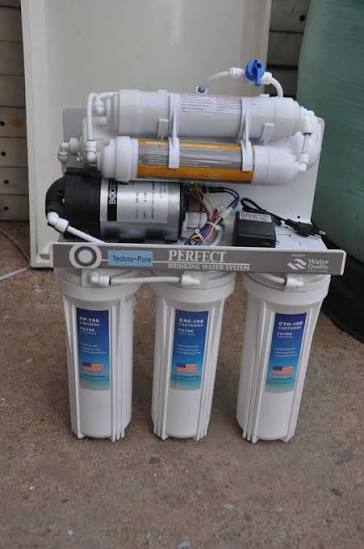
Cost of Reverse Osmosis System refers to the total investment required to purchase, install, operate, and maintain a reverse osmosis system. The initial purchase price is only one part of the expense. Installation, pretreatment, electricity, replacement filters, wastewater, and servicing can significantly increase the final cost. Understanding these hidden expenses helps homeowners and businesses make informed, cost-effective water treatment decisions.
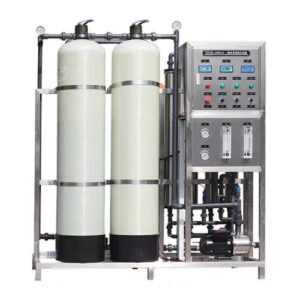
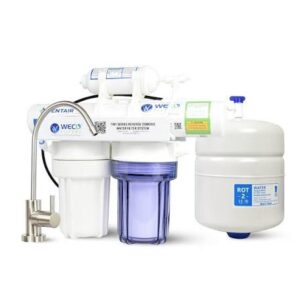
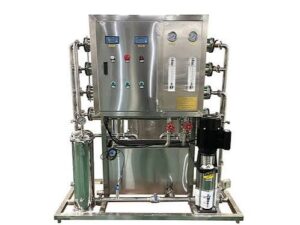
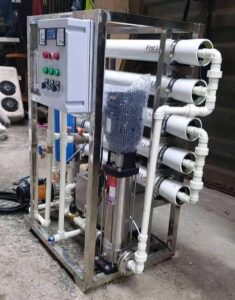

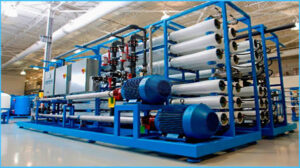
What Determines the Cost of Reverse Osmosis System?
The total cost depends on water quality, daily demand, equipment capacity, installation requirements, and maintenance frequency. A residential reverse osmosis water filter costs differently from a high-capacity commercial or industrial plant. Borehole water containing sediment, iron, hardness, or elevated total dissolved solids (TDS) may require additional treatment. A professional water assessment helps buyers identify the right equipment and avoid unnecessary expenses.10 Hidden Expenses Every Buyer Should Know
1. Water Testing and Pretreatment
Water analysis identifies contaminants that may require additional filtration. Sediment filters, carbon filters, iron removal systems, or water softeners can increase initial costs. However, appropriate pretreatment can protect the membrane and reduce avoidable maintenance.2. Installation and Plumbing
The installation cost may include pipework, fittings, drainage, electrical connections, labour, and equipment mounting. Commercial installations may require dedicated treatment rooms or distribution systems. Request an itemised quotation before committing to a supplier.3. Replacement Filters and Membranes
Sediment and carbon filters need periodic replacement to maintain performance. The RO membrane also requires replacement when testing confirms deterioration. Include membrane prices, compatible replacement parts, and professional servicing in your maintenance budget.4. Electricity and Pumping
Booster pumps consume electricity during operation. Actual running costs depend on pump capacity, operating hours, pressure requirements, and production volume. Ask your supplier for realistic estimates based on expected daily usage.5. Wastewater and Drainage – Cost of Reverse Osmosis System
Reverse osmosis separates treated water from a concentrated reject stream. Water recovery varies according to system design and feed-water conditions. Consider drainage arrangements and whether water recovery technology would be practical for your application.6. Storage Tanks and Distribution – Cost of Reverse Osmosis System
A water filter and purifier for tank installation may require storage tanks, pressure pumps, plumbing, and distribution lines. Hotels, offices, estates, and factories may need additional equipment to maintain consistent water availability.7. Water Quality Challenges – Cost of Reverse Osmosis System
Hardness, sediment, scaling, and certain dissolved substances can increase maintenance requirements. Testing helps determine whether pretreatment is necessary. Choosing equipment based on actual water chemistry can reduce avoidable operating expenses.8. Repairs and Servicing – Cost of Reverse Osmosis System
Budget for pump repairs, leaking connections, valves, sanitisation, and routine inspections. Reliable maintenance helps prevent unexpected downtime. This is especially important for restaurants, hospitals, schools, and businesses that depend on consistent water production.9. Capacity and Future Demand – Cost of Reverse Osmosis System
An undersized system may struggle during peak demand, while an oversized unit may increase unnecessary capital and operating costs. Compare filtration capacity, daily production, flow rate, and recovery performance. Select a system that matches your current needs and realistic future growth.10. Downtime and Total Ownership – Cost of Reverse Osmosis System
Equipment failure can interrupt operations and create additional costs for commercial users. Consider replacement parts, service availability, maintenance labour, and possible production losses. Comparing the total cost of ownership gives a clearer picture than comparing purchase prices alone.
Reliable Water Treatment Across Nigeria and West Africa
Vistacraft Builders supports enquiries for water treatment equipment and solutions suited to residential, commercial, and industrial requirements. In Nigeria, buyers may enquire from Lagos, Abuja, Port Harcourt, Kaduna, Uyo, Asaba, Warri, Ibadan, Benin City, Bonny Island, Enugu, Kano, Jos, Suleja, Karu, Mararaba, Keffi, Gurara, Zuba, Gwagwalada, Kuje, Bwari, Abaji, Sokoto, Minna, Zaria, Katsina, Dutse, Maiduguri, Gombe, Bauchi, Yola, Jalingo, Makurdi, Abakaliki, Awka, Onitsha, Owerri, Umuahia, Abeokuta, Ilorin, Lokoja, Akure, Osogbo, Ekiti, and Ile-Ife. Regional enquiries also extend to Ghana (Accra, Kumasi), Benin (Cotonou), Togo (Lomé), Côte d’Ivoire (Abidjan), Liberia (Monrovia), Sierra Leone (Freetown), The Gambia (Banjul), Cape Verde, and Senegal (Dakar). Request a quotation that reflects your water source, production requirements, installation conditions, and long-term maintenance needs.Conclusion: Make a Smarter Investment
The Cost of Reverse Osmosis System extends beyond the initial purchase price. Proper planning for pretreatment, installation, electricity, replacement filters, and maintenance helps buyers avoid unpleasant financial surprises. Test your water, compare complete quotations, and choose a system that matches your actual demand. A carefully selected solution can deliver dependable performance and better long-term value.Frequently Asked Questions About The Cost of Reverse Osmosis System
What affects the cost of a reverse osmosis system?
Capacity, water quality, pretreatment, installation complexity, equipment specifications, and ongoing maintenance all influence the total cost.Is a cheaper reverse osmosis system always better?
No. Compare production capacity, water recovery, warranty, replacement-part availability, and servicing requirements alongside the initial price.How can I reduce operating expenses?
Test your feed water, maintain prefilters, address leaks promptly, and operate the equipment according to manufacturer specifications.Should I request a quotation before purchasing?
Yes. An itemised quotation helps identify equipment costs, installation requirements, maintenance expenses, and any additional treatment needed.At Vistacraft Builders, we provide – Portable Toilets in Nigeria, Portable Toilets Price in Nigeria, Mobile Toilet for Hire, Building Site Toilet Hire, Portable Toilets for Elderly Users, Medical Portable Toilets, Portable Toilets for RVs, FRP Portable Toilet, Readymade Toilet and Bathroom, Emergency Portable Toilet Rental, Portable Toilet Business in Nigeria, Portable Toilet Rental Cost, Portable Chemical Toilet vs Flush Toilet, Camco Portable Toilet, Portable Sink and Toilet, Portable Toilet Price in Nigeria, Portable Toilets for Sale in Nigeria, Portable Toilet Suppliers in Nigeria,
Water Filter and Purifier for Tank, Water Purifier in Nigeria, Reverse Osmosis Explained, RO Water Purifier, Reverse Osmosis Machine, RO Technology in Water, Reverse Osmosis Water Treatment, Under Sink Reverse Osmosis System, Whole Home Reverse Osmosis, Residential Reverse Osmosis System, Tankless Reverse Osmosis System, Portable Reverse Osmosis System, Countertop Reverse Osmosis System, Water Softener, RO Membrane, RO Membrane Price, Water Disinfection System, Small Reverse Osmosis System, ro Drinking Water System, 5 Stage Reverse Osmosis System, Reverse Osmosis Remineralization, Commercial Reverse Osmosis System, Reverse Osmosis Machine Price, Countertop Reverse Osmosis System, whole home reverse osmosis, Water Softener and Reverse Osmosis System, RO Membrane, Cost of Reverse Osmosis System
Food Preparation Sink, Kitchen Prep Equipment, Vegetable Preparation Machine, Commercial Veg Prep Machine, Difference Between Chilling and Freezing, Chilling in Food Preservation, Ovens and Hobs, Hydrogen Balloons Explained, Hydrogen Balloon Disaster, Hydrogen Balloon for Birthday Party, Hydrogen vs Helium Balloon, Balloon Hydrogen Pump, Industrial Kitchen Equipment, Equipment for Fast Food Business, Industrial Deep Fryer Price, Industrial Pizza Oven Price, Stainless Steel Prep Table With Sink, Industrial Food Processor, Industrial Air Fryer Price, Industrial Dishwasher Price,