
Cold Formed Steel Trusses are lightweight structural roof frames manufactured by shaping steel sections at room temperature. They provide strong, precise, durable support for residential, commercial, and industrial buildings. Their prefabricated construction can accelerate installation while reducing material waste and labour requirements. Before building, understanding design, specifications, pricing, fabrication, installation, and maintenance is essential.
What Are Cold Formed Steel Trusses?
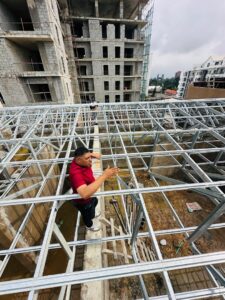
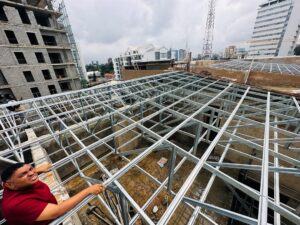
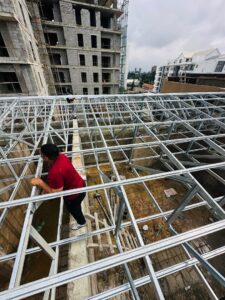
Cold Formed Steel Trusses are engineered roof structures made from steel sections shaped without heating the material. Specialized forming equipment creates consistent profiles with accurate dimensions and predictable structural properties. These sections are then assembled into roof trusses according to approved engineering designs. The finished system transfers roof loads safely toward the building’s supporting structure.
The steel is commonly galvanized or zinc-coated to improve corrosion resistance. Unlike timber, steel does not provide food for termites, making it naturally termite-resistant. Its dimensional stability also reduces concerns associated with timber warping, splitting, or biological deterioration. These characteristics make steel framing an attractive option for modern construction.
Why Choose Cold Formed Steel Trusses?
Modern construction increasingly demands materials that are lightweight, strong, durable, and efficient. Steel trusses answer these requirements through precision manufacturing and controlled fabrication. Their relatively low weight can simplify transportation and handling without sacrificing structural strength. Prefabrication can also support faster construction and more predictable project schedules.
Key advantages include:
- Lightweight construction and easier handling.
- High-strength structural performance.
- Galvanized and corrosion-resistant protection.
- Termite-proof and resistant to biological deterioration.
- Accurate, precision-engineered dimensions.
- Prefabricated components for faster installation.
- Recyclable material supporting sustainable construction.
- Reduced maintenance compared with vulnerable timber systems.
These benefits can help contractors reduce labour costs and improve construction efficiency. They can also support longer service life when the system is properly designed and installed.
Cold Formed Steel Trusses vs Timber Trusses
Timber remains widely used across residential construction, but it can have vulnerabilities. Poor-quality timber may experience warping, moisture damage, insect attack, splitting, or deterioration. Steel eliminates many of these biological concerns when appropriate corrosion protection is provided. This can create a more predictable and reliable roofing framework.
Steel also offers consistent manufacturing dimensions and defined material specifications. Engineered components can be produced according to structural calculations rather than relying on variable natural materials. This precision can simplify fabrication and installation. For professional contractors and engineers, predictable components can improve quality control and project coordination.
Types of Steel Roofing Systems
Several related steel framing systems are available for different construction requirements. light gauged steel is commonly used for lightweight structural framing and roofing applications. light gauge steel trusses provide engineered support for houses, offices, schools, warehouses, and commercial buildings. light gauge steel roofing can complement these structures as part of an integrated lightweight building system.
You may also encounter terms such as cold formed steel roof trusses, cold formed metal trusses, cfs roof trusses, and cold formed roof trusses. cold formed trusses can be customized according to span, roof geometry, loading requirements, and building use. lgs deck framing is another related application used in suitable structural floor systems. Understanding these terms helps buyers compare suppliers and specifications more effectively.
How Cold Formed Steel Trusses Are Fabricated
Fabrication begins with structural design and engineering calculations. Engineers establish the required span, roof geometry, loading conditions, steel grade, thickness, connections, and bracing requirements. Forming equipment then shapes steel coils or sheets into specified structural profiles. Automated cutting and preparation can create consistent components ready for assembly.
The individual sections are assembled according to approved fabrication drawings. Connections must be positioned accurately because they transfer forces throughout the completed roof structure. Quality checks verify dimensions, alignment, material specifications, and connection details. Finished trusses can then be transported to the project site for installation.
Installation Guide: What Builders Should Know
Proper installation is essential for achieving the intended performance of any engineered roof system. Contractors should follow approved structural drawings, spacing requirements, connection specifications, and bracing details. Site teams must also confirm that supporting walls or columns are prepared correctly. Deviating from the approved design can create serious structural problems.
A professional installer should understand the complete system rather than simply assembling individual pieces. Correct lifting, positioning, fastening, bracing, and alignment all contribute to structural stability. The installation sequence should also consider site conditions and available equipment. This approach supports faster construction without compromising safety or workmanship.
Where Can Steel Trusses Be Used?
Cold-formed steel roofing can support numerous building types and architectural designs. Residential applications include bungalows, duplexes, apartments, estates, and private homes. Commercial projects may include offices, showrooms, supermarkets, hotels, hospitals, schools, universities, churches, mosques, and shopping malls. Industrial applications include factories, warehouses, airports, stadiums, cold rooms, and agricultural buildings.
They can also support poultry farms and other specialized agricultural structures. Custom engineering allows the system to accommodate different roof spans, pitches, shapes, and loading conditions. This flexibility makes steel suitable for both simple and complex projects. The final design should always reflect the building’s structural requirements and intended use.
Cost, Pricing, and Project Budget
The Price of cold formed steel trusses depends on several factors. Steel grade, thickness, roof area, span, design complexity, fabrication, transportation, installation, and corrosion protection can influence total project Cost. Custom or complex structures may require additional engineering and fabrication time. Large projects may benefit from wholesale procurement and standardized production.
Comparing only the cheapest Quote can create problems later. A proper Estimate should consider engineering quality, material specifications, fabrication accuracy, installation, durability, and expected lifespan. Buyers should request detailed pricing that clearly separates materials, fabrication, transportation, and installation. This creates a clearer basis for procurement and budgeting.
Buying Guide: What to Check Before Ordering
Before buying, property owners and contractors should verify several technical and commercial factors. The supplier should demonstrate appropriate engineering capability and experience with comparable projects. Buyers should also request drawings, material specifications, connection details, and installation information. A trusted manufacturer should provide clear answers before fabrication begins.
A practical buyer’s checklist includes:
- Steel grade and thickness.
- Galvanized or zinc-coated protection.
- Structural calculations and engineering drawings.
- Truss dimensions and span.
- Roof pitch and geometry.
- Connection and bracing specifications.
- Fabrication standards.
- Installation methodology.
- Delivery schedule.
- Warranty and maintenance provisions.
- Complete installation Cost.
- Total project Estimate.
These factors help buyers distinguish professional suppliers from inexperienced contractors. They also make it easier to compare competing Quotes on equal technical requirements.
Maintenance, Durability, and Lifespan
One important advantage of properly protected steel is relatively low maintenance. Galvanized surfaces can provide effective protection against environmental exposure when correctly specified. However, maintenance should still include periodic inspection of exposed areas, connections, finishes, and potential damage. Early identification of corrosion or mechanical damage can prevent larger problems.
Service life depends on material quality, coating protection, environmental exposure, structural design, installation quality, and maintenance. Buildings near coastal or industrial environments may require additional corrosion considerations. Projects in Lagos, Port Harcourt, Warri, Bonny Island, and other humid environments should receive appropriate engineering attention. Good design and proper protection can significantly increase durability.
Building Across Nigeria
Nigeria’s construction market has diverse requirements based on location, climate, building type, and project scale. Projects in Lagos, Abuja, Port Harcourt, Kaduna, Uyo, Asaba, Warri, Ibadan, Benin, Bonny Island, Enugu, and Kano require solutions suited to their specific conditions. Wind exposure, rainfall, humidity, building dimensions, and roof configuration should influence engineering decisions. Professional planning helps prevent costly design changes during construction.
Vistacraft Builders positions itself as a leading provider of engineered steel roofing and framing solutions in Nigeria. Its approach combines design, fabrication, and professional installation for residential, commercial, and industrial projects. The focus remains on reliable workmanship, precision engineering, durability, and efficient project delivery. This integrated model gives developers and contractors a clearer route from design concept to completed roofing structure.
Sustainability and Modern Construction Trends
Sustainable construction increasingly emphasizes durability, recyclability, material efficiency, and reduced site waste. Steel supports these principles because it can be recycled and manufactured with controlled material quantities. Prefabrication can further reduce cutting waste and unnecessary site activities. These characteristics make cold-formed steel relevant to modern green building strategies.
The latest construction trends also favor modular, prefabricated, digitally designed, and future-ready systems. Advanced structural software can model components before fabrication begins. Automated production can then translate approved designs into accurately manufactured steel sections. This combination creates a smart construction workflow with improved consistency and potentially faster project completion.
Is Cold Formed Steel Worth Buying?
For many projects, cold-formed steel can be a strong alternative to traditional timber roofing. Its lightweight construction, high strength, termite resistance, prefabrication, and recyclability offer compelling benefits. However, suitability depends on structural requirements, budget, building type, environmental conditions, and installation quality. A professional engineering assessment should therefore precede procurement.
The biggest mistake is treating a roof system as a simple material purchase. A complete solution requires proper design, material selection, fabrication, connections, installation, and inspection. When these elements work together, the result can be robust, durable, and beautifully finished. For modern construction, that combination makes cold-formed steel a powerful and practical choice.
Conclusion
Cold Formed Steel Trusses combine structural strength, lightweight construction, precision manufacturing, and long-term durability. They can help contractors achieve faster installation while reducing labour requirements and material waste. Their resistance to termites and properly protected corrosion resistance further enhance their practical value. Most importantly, performance depends on professional engineering, fabrication, and installation.
Before you buy, compare specifications rather than focusing only on Price. Choose a supplier that understands structural requirements, fabrication standards, site conditions, and installation procedures. With the right design and professional execution, steel trusses can provide a reliable foundation for modern roofing. The result is stronger construction, improved durability, and greater confidence in your investment.
Frequently Asked Questions
What are Cold Formed Steel Trusses?
Cold Formed Steel Trusses are engineered roof frames manufactured from steel sections shaped at room temperature. They provide lightweight, high-strength support for residential, commercial, and industrial buildings.
Are cold formed steel trusses better than timber?
They can provide advantages such as termite resistance, dimensional consistency, recyclability, prefabrication, and reduced maintenance. The best option depends on the project’s structural and environmental requirements.
Are cold formed steel trusses durable?
Yes, properly designed, fabricated, protected, and installed systems can provide long-term structural performance. Galvanized steel can offer additional corrosion protection.
How much do cold formed steel trusses cost?
Pricing depends on steel specifications, roof size, span, design complexity, fabrication, transportation, installation, and corrosion protection. A detailed project Quote provides a more accurate estimate.
Can steel trusses be customized?
Yes. Custom trusses can be engineered according to roof geometry, span, loading requirements, building type, and approved structural specifications.
Are steel trusses suitable for Nigerian construction?
Yes, provided they are professionally designed for the project’s location, environmental conditions, structural loads, and intended use.
Do steel trusses eliminate termites?
Steel does not provide food for termites, so it removes the termite vulnerability associated with timber roof structures.
What should I check before buying?
Check the steel grade, thickness, coating, engineering calculations, dimensions, connections, bracing, fabrication quality, installation process, warranty, and complete project Cost.Build stronger, faster, and smarter with Vistacraft Builder’s premium Light Gauge Steel solutions. From design and fabrication to professional installation, we deliver durable, precision-engineered steel trusses and roofing systems for residential, commercial, and industrial projects across Nigeria and West Africa. Partner with Branditprintit—your trusted expert in Light Gauge Steel construction.
🌐 Visit: https://vistacraftbuilders.com.ng/ 📲 Call/WhatsApp: +234 911 416 6874 📩 Email: info@vistacraftbuilders.com.ng Vistacraft Builder — Quality You Can Trust. Durability You Can See.At Vistacraft Builders, we provide – Interior designs – Paints, Painting & Screeding – Wall papers & murals, wall decors – Floors, Flooring & Ceilings – Carpentry & partitions – Electrical lightning & fittings – Plumbing & Toilets – Interior equipment – Renovations & Container Spaces – Protection & Security – Car interior – Machines & equipment Tech Devices & Gadgets (Tech Gear), Buy PlayStation VR In Nigeria, How Much Is Virtual Reality Game, Latest Apple VR Price In Nigeria, Best VR Headset For PC 2024, Latest VR Meta Quest 3 Headset, How Much Is Virtual Reality Game, Best VR Headset 2024, EChecker Smart Meters Nigeria, Pioneering Energy Management Solutions eChecker,
Revolutionizing Energy Management Rise eChecker, EChecker Nigeria Limited, EChecker Smart Energy Meter, Get EChecker Tetra 3 Meter, EChecker Apartment Meters In Nigeria, Smart Prepaid Electricity Meters In Nigeria, Smart Power Meter For Home In Nigeria 2024, Meter To Monitor Electricity Usage In Nigeria 2024, Best Home Electricity Monitor In Nigeria 2024, Energy Meter 3 Phase In Nigeria 2024, Gas Energy Monitor In Nigeria 2024, Smart Meter Energy Nigeria 2024, Luxe WPC Flute Panel, Interior WPC Wall Panels, Quality Fluted Panels In Nigeria, Fluted Panels Price In Nigeria, PU Veneer Stone Panels, Screeding, Beautiful Paintings, Licensed Electrician Wall Art, Wall Art Ideas, Paintings for Home
Light Gauge Steel, Light Gauge Steel: The Ultimate Guide to Stronger, Smarter & Cost-Effective Construction, Light Gauge Steel, Light Gauge Steel Guide Smarter, Light Gauge Steel Roofing: The Ultimate Solution for Durable Buildings, Cold Formed Steel Roof Trusses, Cold Formed Metal Trusses, CFS Roof Trusses, Installation of Light Gauge Steel Trusses, Light Gauge Steel Roofing, Drill Press vs Drill Machine,
Drill Press Vs Drill Machine: Which Should You Buy?, Drill Machine, Industrial Finishing, High-quality Industrial Finishing, Grinder Machine, Cutting Machine, Manufacturing Machines, How Smart Manufacturing Machines Increase Factory Productivity, Industrial Machines, The Best Industrial Machines Every Fabrication Shop Needs, CNC Machine, CNC Machine: The Intelligent Engine Behind Modern Manufacturing, CNC Machining, Laser Cutting Machines, Laser Cutting Machines Are Transforming Modern Manufacturing, MIG Welder, MIG Welder Explained: Why It Matters In Modern Fabrication, Light Gauge Steel, Light Gauge Steel Revolutionizing Modern Construction, Light Gauge Steel Trusses, Inside a Modern Machine Shop, Machining Explained, Precision Machining, Machining Techniques, Cold-Formed Steel Roof Trusses,
FAQ Schema
{
  "@context": "https://schema.org",
  "@type": "FAQPage",
  "mainEntity": [
    {
      "@type": "Question",
      "name": "What are Cold Formed Steel Trusses?",
      "acceptedAnswer": {
        "@type": "Answer",
        "text": "Cold Formed Steel Trusses are engineered roof frames manufactured from steel sections shaped at room temperature. They provide lightweight, high-strength support for residential, commercial, and industrial buildings."
      }
    },
    {
      "@type": "Question",
      "name": "Are cold formed steel trusses better than timber?",
      "acceptedAnswer": {
        "@type": "Answer",
        "text": "They can provide advantages such as termite resistance, dimensional consistency, recyclability, prefabrication, and reduced maintenance. The best option depends on the project's structural and environmental requirements."
      }
    },
    {
      "@type": "Question",
      "name": "Are cold formed steel trusses durable?",
      "acceptedAnswer": {
        "@type": "Answer",
        "text": "Yes, properly designed, fabricated, protected, and installed systems can provide long-term structural performance. Galvanized steel can offer additional corrosion protection."
      }
    },
    {
      "@type": "Question",
      "name": "How much do cold formed steel trusses cost?",
      "acceptedAnswer": {
        "@type": "Answer",
        "text": "Pricing depends on steel specifications, roof size, span, design complexity, fabrication, transportation, installation, and corrosion protection."
      }
    },
    {
      "@type": "Question",
      "name": "Can steel trusses be customized?",
      "acceptedAnswer": {
        "@type": "Answer",
        "text": "Yes. Custom trusses can be engineered according to roof geometry, span, loading requirements, building type, and approved structural specifications."
      }
    },
    {
      "@type": "Question",
      "name": "Are steel trusses suitable for Nigerian construction?",
      "acceptedAnswer": {
        "@type": "Answer",
        "text": "Yes, provided they are professionally designed for the project's location, environmental conditions, structural loads, and intended use."
      }
    },
    {
      "@type": "Question",
      "name": "Do steel trusses eliminate termites?",
      "acceptedAnswer": {
        "@type": "Answer",
        "text": "Steel does not provide food for termites, so it removes the termite vulnerability associated with timber roof structures."
      }
    },
    {
      "@type": "Question",
      "name": "What should I check before buying?",
      "acceptedAnswer": {
        "@type": "Answer",
        "text": "Check the steel grade, thickness, coating, engineering calculations, dimensions, connections, bracing, fabrication quality, installation process, warranty, and complete project Cost."
      }
    }
  ]
}