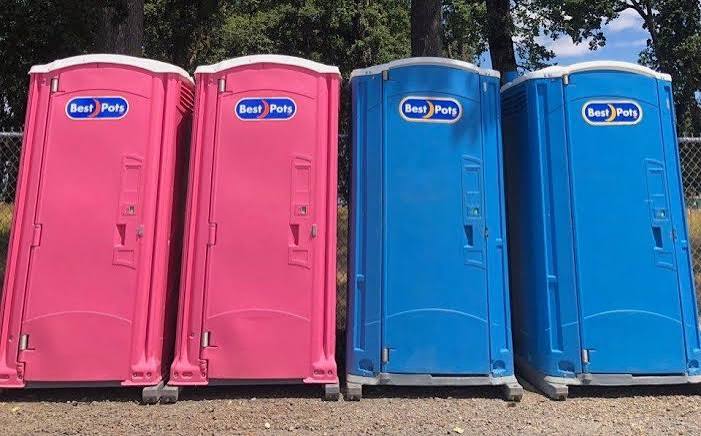
Portable Toilet Business in Nigeria is a sanitation venture that involves selling, renting, delivering, cleaning, servicing, and maintaining movable toilets. It serves locations where permanent bathrooms are unavailable, inadequate, or impractical. Construction sites, weddings, festivals, schools, hospitals, outdoor events, and emergency situations create consistent demand. With appropriate equipment, pricing, hygiene, logistics, and marketing, the business can become a profitable and powerful commercial opportunity.


What Is a Portable Toilet Business in Nigeria?
A Portable Toilet Business in Nigeria provides temporary or movable sanitation facilities for individuals, organisations, construction companies, event planners, and institutions. Operators can sell units outright or provide portable toilet for hire, portable toilet for sale, and recurring servicing. Common products include portable toilet, portable chemical toilet, FRP portable toilet, PVC portable toilet, flushing units, urinals, accessible toilets, and luxury restroom solutions.
The business model can generate income through daily rental, weekly rental, monthly rental, event rental, construction rental, emergency rental, sales, delivery, installation, cleaning, and maintenance. Customers may search online for Portable toilet price in Nigeria, portable toilet suppliers, mobile toilet price in Nigeria, or portable toilets for hire near me. Your ability to provide clear specifications and accurate quotations can significantly improve purchasing confidence.
1. Research Your Local Market – Portable Toilet Business in Nigeria
The first step is identifying where sanitation demand is strongest. Study construction projects, event venues, industrial facilities, schools, hospitals, religious centres, government projects, and outdoor entertainment locations. Research competitors, their rental rates, service areas, equipment quality, delivery charges, and maintenance arrangements. Your research should reveal whether customers need standard, commercial-grade, accessible, luxury, or high-capacity units.
Start with high-demand locations such as Lagos, Abuja, Port Harcourt, Ibadan, Kano, Kaduna, Uyo, Enugu, Benin, Owerri, Onitsha, Abeokuta, and Ilorin. Additional opportunities exist around Warri, Asaba, Akure, Lokoja, Sokoto, Minna, Jos, Makurdi, Gombe, Bauchi, Yola, and Jalingo. Regional expansion can later extend toward Accra, Kumasi, Cotonou, Lomé, Abidjan, Monrovia, Freetown, Banjul, Cape Verde, and Dakar.
2. Choose Your Business Model – Portable Toilet Business in Nigeria
There are several ways to enter the industry. You can focus on sales, rental, long-term contracts, servicing, or a combination of these models. A rental-focused operation can target construction sites, weddings, parties, festivals, conferences, and corporate events. Sales can target contractors, property developers, institutions, hospitality businesses, and other sanitation companies.
Consider offering mobile toilet for hire, mobile toilet for rent, mobile toilet for sale, and portable restroom services. Premium customers may need VIP portable toilets, luxury portable bathroom rental, executive portable restrooms, or wedding restroom trailers. Construction clients may prefer building site toilet hire, portable site toilet, or long-term monthly arrangements.
3. Select the Right Toilet Units – Portable Toilet Business in Nigeria
Equipment selection determines durability, customer satisfaction, maintenance requirements, and long-term operating costs. Consider material, dimensions, weight, capacity, ventilation, waste tank design, odour control, weather resistance, and cleaning requirements. FRP toilet, polyethylene, reinforced plastic, stainless steel, aluminium, and other durable materials can serve different applications.
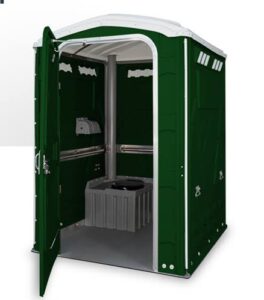
You may offer a standard single-stall unit for everyday requirements and larger units for high-traffic locations. Accessible facilities should include appropriate space and features for wheelchair users and people with disabilities. Additional options include portable urinal toilet, handwashing stations, sinks, showers, lighting, mirrors, and sanitation accessories. The objective is to match the product specifications with the customer’s actual requirements.
4. Calculate Your Startup and Operating Costs – Portable Toilet Business in Nigeria
Before purchasing equipment, prepare a detailed budget covering every expense. Your startup cost may include toilet units, transportation, storage, cleaning equipment, protective clothing, branding, staff, waste management, marketing, and working capital. Recurring expenses may include fuel, labour, cleaning materials, repairs, servicing, disposal, insurance, storage, and vehicle maintenance.
Avoid publishing one universal portable toilet price in Nigeria because costs vary considerably by unit type and project requirements. Prepare a professional price guide, quotation, or estimate that separates rental, delivery, installation, cleaning, servicing, and pickup. Your total cost should account for the complete customer journey rather than equipment alone.
5. Establish Strong Hygiene and Maintenance Systems
Cleanliness is central to the reputation of a portable sanitation company. Every unit should have a defined cleaning, disinfection, inspection, waste-removal, and servicing schedule. Proper ventilation and odour-control systems also help create a fresher and more comfortable user experience. Staff should use appropriate protective equipment and follow responsible waste-handling procedures.
A strong maintenance system reduces breakdowns and protects equipment from premature deterioration. Keep records for every unit, including cleaning dates, repairs, servicing requirements, and customer assignments. This becomes especially important for high-traffic events and long-term construction contracts. Reliable servicing can become an additional recurring revenue stream.
6. Target High-Value Customers – Portable Toilet Business in Nigeria
Construction companies are among the most obvious customers because workers require sanitation throughout a project. Target contractors, developers, engineering firms, road construction companies, factories, mining operations, oil and gas businesses, and infrastructure projects. Other valuable sectors include healthcare, hospitality, education, agriculture, manufacturing, transportation, logistics, and government.
Events also create strong short-term opportunities. Wedding planners, event planners, churches, conference organisers, festival promoters, sports organisers, and corporate teams may require temporary restrooms. Services can include portable toilet rental for events, party toilet rental, event portable toilet rental, and emergency sanitation. Premium events may justify luxury toilet rentals, VIP units, or restroom trailers.
7. Build a Professional Pricing Strategy – Portable Toilet Business in Nigeria
Pricing should reflect distance, rental duration, toilet type, servicing frequency, event size, delivery requirements, and customer location. Create separate daily cost, weekly cost, and monthly cost structures for appropriate customer segments. Construction clients may benefit from monthly rental, while weddings and parties may require short-term event rates.
Customers searching for portable toilet for sale near me, mobile toilets for sale near me, or portable toilet hire near me often want immediate information. Make your quotation process simple and transparent. Include delivery and pickup, installation, servicing, cleaning, additional units, and emergency charges where applicable. This prevents confusion and makes your business appear more professional.
8. Invest in Local SEO and Digital Marketing – Portable Toilet Business in Nigeria
Many customers now begin their search online. Create dedicated pages targeting terms such as mobile toilet in Nigeria, mobile toilet in Lagos, mobile toilet in Abuja, portable toilet business, and portable toilet suppliers. Location-based pages can target customers searching for sanitation services near me, nearby, locally, or across Nigeria.
Use Google Business Profile, social media, informative articles, project photographs, customer testimonials, and quotation forms to build visibility. Content should answer practical questions about rental cost, equipment specifications, maintenance, installation, delivery, and how to choose the right unit. Search visibility can produce enquiries from customers who are already looking for a supplier.
9. Build Strategic Partnerships
Partnerships can accelerate growth without requiring massive advertising expenditure. Develop relationships with construction companies, property developers, event planners, wedding planners, facility managers, hotels, schools, hospitals, churches, and government contractors. Offer structured packages that combine equipment, delivery, cleaning, servicing, and pickup.
A supplier partnership can also simplify equipment sourcing and project execution. Vistacraft Builders provides building and infrastructure solutions that can support organisations seeking practical sanitation facilities for construction, commercial, institutional, and event applications. The right partner can help businesses obtain durable units while focusing their resources on customer acquisition and operations.
10. Scale Through Recurring Contracts
The strongest growth strategy is moving beyond one-off rentals. Pursue long-term contracts with construction companies, factories, schools, hospitals, infrastructure developers, event venues, and industrial facilities. Recurring contracts can create predictable revenue while improving equipment utilisation.
As the business grows, expand your fleet and service portfolio. You could introduce mobile bathroom and toilet, handwashing stations, mobile ablution units for sale, accessible facilities, luxury units, temporary restrooms, and emergency sanitation services. Vistacraft Builders can support project requirements where durable and professionally planned sanitation infrastructure is required across Nigeria and selected African markets.


Choosing the Right Portable Toilet Business Strategy
A successful operator should begin with a focused market instead of purchasing every available toilet model. Determine whether your strongest opportunity is construction, events, healthcare, education, hospitality, industrial projects, or emergency sanitation. Then choose equipment, pricing, logistics, and marketing around that specific market.
Consider quality, durability, capacity, maintenance, installation, delivery distance, warranty, cleaning requirements, and customer support before investing. Also compare new, refurbished, pre-owned, and used commercial units where appropriate. The best equipment is not necessarily the cheapest option, but the one that delivers reliable service at a sustainable operating cost.
Conclusion
A Portable Toilet Business in Nigeria can become a sustainable venture when it combines quality equipment with disciplined operations and dependable customer service. The opportunity extends across construction, events, healthcare, education, hospitality, infrastructure, industry, and emergency response. Entrepreneurs should calculate startup and operating costs carefully before choosing equipment and setting rental rates.
The most valuable advantage comes from building recurring contracts rather than depending entirely on occasional events. With strong hygiene standards, efficient logistics, strategic partnerships, local SEO, and appropriate pricing, the business can grow steadily. A focused approach can turn portable sanitation from a simple equipment business into a professional and scalable service company.
Frequently Asked Questions
1. How much does a portable toilet business cost to start in Nigeria?
The startup cost depends on the number of units, equipment type, sourcing method, transportation, storage, cleaning equipment, staffing, and working capital. A detailed quotation provides a more accurate project-specific estimate.
2. Is a portable toilet business profitable in Nigeria?
Yes, it can be profitable when equipment utilisation is strong and operating costs are carefully controlled. Construction contracts, recurring rentals, and event services can provide multiple revenue streams.
3. What customers need portable toilets?
Construction companies, event planners, schools, hospitals, factories, religious organisations, government agencies, farms, hotels, outdoor venues, and infrastructure contractors can all require portable sanitation.
4. Should I sell or rent portable toilets?
A combination of sales and rental can provide greater flexibility. Rental creates recurring income, while sales can generate larger individual transactions.
5. What should I consider before buying portable toilets?
Consider material, dimensions, capacity, weight, durability, ventilation, waste tank, odour control, accessibility, cleaning requirements, delivery, maintenance, warranty, and expected usage.
6. Can portable toilets be rented for construction sites?
Yes. Building site toilet hire is a common application because construction workers need convenient sanitation where permanent facilities are unavailable.
7. Can portable toilets be used for weddings and parties?
Yes. Event sanitation can include standard units, accessible toilets, handwashing stations, VIP facilities, luxury units, and restroom trailers depending on the event’s scale and requirements.Get started today!
🌐 Visit: www.vistacraftbuilders.com.ng 📧 Email: info@vistacraftbuilders.com.ng 📞 Call/WhatsApp: +234 911 416 6874
Vistacraft Builders — Building Quality. Creating Lasting Value. At Vistacraft Builders, we provide – Portable Toilets in Nigeria, Portable Toilets Price in Nigeria, Mobile Toilet for Hire, Building Site Toilet Hire, Portable Toilets for Elderly Users, Medical Portable Toilets, Portable Toilets for RVs, FRP Portable Toilet, Readymade Toilet and Bathroom, Emergency Portable Toilet Rental, Portable Toilet Business in Nigeria,