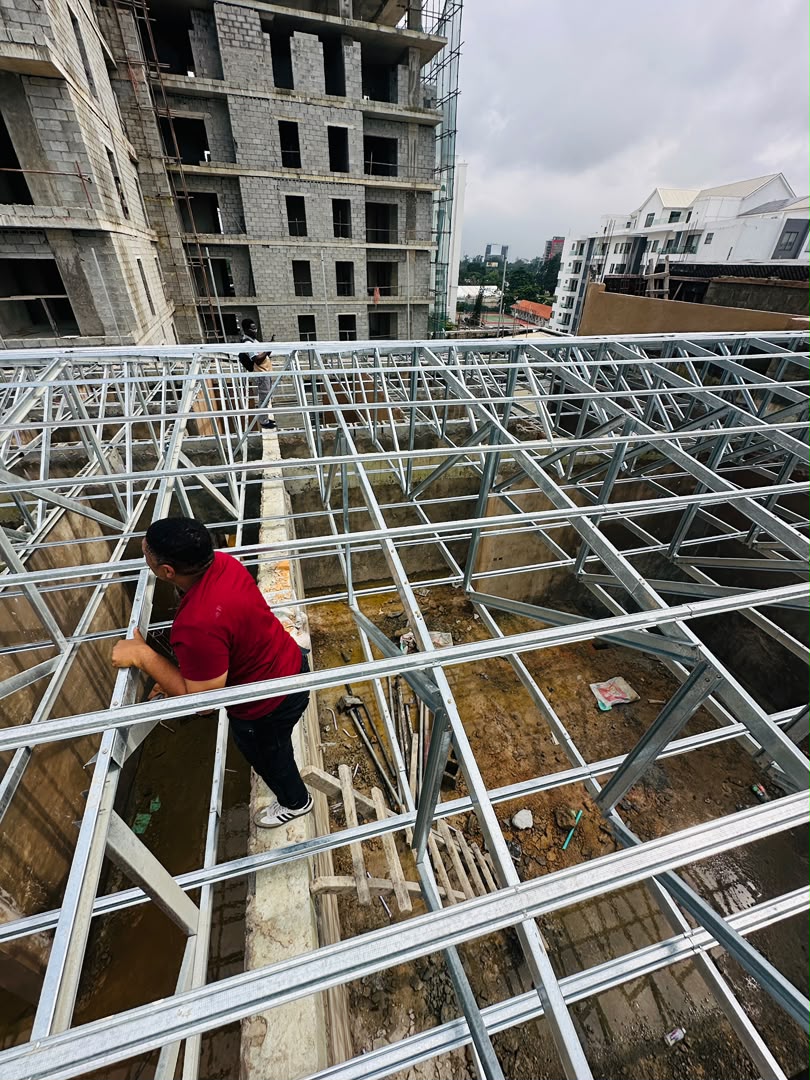
Cold Formed Metal Trusses are lightweight structural roof systems manufactured by shaping steel sections at room temperature. They are transforming commercial construction because they combine strength, precision, speed, durability, and efficient material use. Unlike conventional timber systems, engineered steel trusses provide consistent dimensions and resistance to termites. Their prefabricated nature also supports faster installation and more predictable construction schedules.
What Are Cold Formed Metal Trusses?
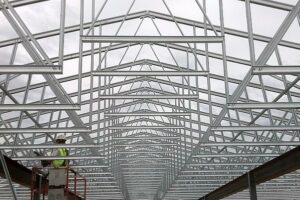
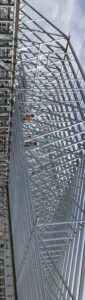
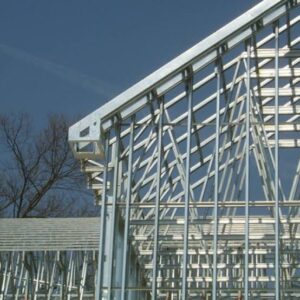
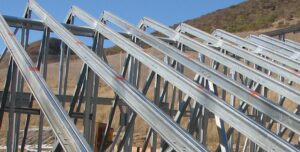
Cold Formed Metal Trusses are structural frameworks manufactured from steel sections formed without heating the metal. Specialized machinery bends and shapes steel into precise profiles suitable for roofing applications. Individual members are then assembled into engineered trusses designed to transfer roof loads safely. The resulting framework provides high structural performance while maintaining relatively low weight.
Steel used for these systems is commonly galvanized or zinc-coated for improved corrosion resistance. Proper material selection and engineering are essential for achieving the required performance. Unlike timber, steel does not provide food for termites or other wood-destroying insects. These properties make cold-formed systems increasingly attractive for commercial and industrial buildings.
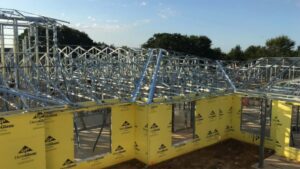
Why Cold Formed Metal Trusses Are Changing Commercial Construction
Commercial construction demands speed without compromising structural safety or quality. Developers also need predictable costs, efficient labour, durable materials, and flexible architectural solutions. Cold-formed steel addresses these demands through precision fabrication and prefabricated components. The result is a smart construction approach that can shorten installation periods and reduce site waste.
The principal benefits include:
- Lightweight: Easier transportation, lifting, and handling.
- High-strength: Engineered to meet defined structural requirements.
- Prefabricated: Factory-produced components can arrive ready for installation.
- Termite-proof: Steel eliminates common timber termite concerns.
- Corrosion-resistant: Galvanized coatings provide additional protection.
- Precision-engineered: Computer-controlled production improves dimensional consistency.
- Recyclable: Steel supports sustainable construction objectives.
- Durable: Properly designed systems can deliver long-term performance.
These advantages can help contractors reduce labour costs and improve construction efficiency. They can also create a more predictable workflow from fabrication through final installation.
Commercial Applications for Cold-Formed Steel Systems
Commercial buildings have diverse structural requirements, from modest offices to large warehouses. Cold-formed systems can be designed for offices, showrooms, shopping malls, hotels, hospitals, schools, universities, churches, mosques, supermarkets, and event centers. Industrial applications include factories, warehouses, cold rooms, agricultural facilities, and specialized production buildings. Their flexibility allows engineers to develop solutions around specific spans, roof shapes, and loading conditions.
Residential projects can also benefit from the same technology. Bungalows, duplexes, apartments, estates, and other homes can use lightweight steel roof structures. The system can be adapted to different architectural designs without relying on heavy structural members. This makes it suitable for both commercial developments and modern residential construction.
Cold Formed Metal Trusses vs Traditional Timber
Timber has been used for roof construction for generations, but it can present several challenges. Moisture, termites, biological deterioration, warping, splitting, and inconsistent material quality can affect performance. Steel removes many of these concerns when the correct material specification and protective coating are used. This provides a more predictable structural material for professional construction.
Steel also offers consistent dimensions because each component is manufactured according to defined specifications. Engineers can calculate structural performance based on known material properties and approved designs. Fabrication can therefore follow precise drawings rather than relying heavily on on-site adjustments. For large commercial projects, this consistency can improve quality control and project coordination.
From Design to Fabrication
The process begins with engineering design and structural calculations. Engineers assess building dimensions, roof geometry, span, loading conditions, steel thickness, connections, and bracing requirements. Manufacturing equipment then forms steel sections to the required profiles. Automated cutting and preparation help produce consistent components with accurate dimensions.
The fabricated sections are assembled according to approved drawings. Connections must be correctly positioned because they transfer forces between structural members. Quality control checks can verify dimensions, alignment, material specifications, and connection locations. Completed trusses are then prepared for transportation and professional site installation.
Prefabrication Makes Construction Faster
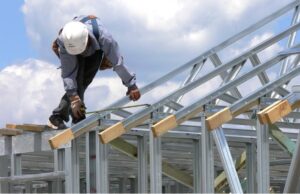
One of the strongest advantages of steel truss technology is prefabrication. Components can be produced in a controlled environment before arriving at the construction site. This reduces extensive cutting, drilling, and modification during installation. Contractors can therefore coordinate roofing activities more efficiently.
Prefabrication also helps reduce material waste and improve production consistency. Factory-controlled manufacturing can create a cleaner and more organized workflow. For commercial developments with demanding schedules, faster installation can contribute to earlier project completion. This can ultimately improve construction planning and resource utilization.
Understanding Related Steel Truss Systems
The industry uses several related terms that buyers may encounter during research. light gauged steel is commonly associated with lightweight structural framing applications. light gauge steel trusses provide roof support using engineered steel profiles. light gauge steel roofing can complement these structural systems within modern building designs.
Other common terms include cold formed steel roof trusses, cold formed steel trusses, cfs roof trusses, and cold formed roof trusses. cold formed trusses can be customized according to project requirements, structural loads, and roof geometry. lgs deck framing represents another application of lightweight steel framing technology. Understanding these terms helps developers compare suppliers and identify the right solution.
For larger projects, prefabricated cold formed steel roof trusses can simplify logistics and installation. Meanwhile, fabrication and installation of light gauge steel trusses provides an integrated approach from manufacturing through construction. The appropriate system should always be selected according to engineering requirements.
Cost, Pricing, and Procurement Considerations
The Price of cold-formed metal trusses depends on several project-specific factors. Steel grade, thickness, roof size, span, design complexity, fabrication, transportation, coating, and installation can influence total Cost. Custom engineering may also affect the final Quote. Large commercial developments may benefit from wholesale procurement and standardized production.
A professional Buying Guide should look beyond the lowest Price. Buyers should compare material specifications, engineering capabilities, fabrication quality, installation experience, warranties, and expected lifespan. A detailed Estimate should clearly identify materials, fabrication, delivery, installation, and other project requirements. This creates a transparent basis for procurement.
Before buying, consider this checklist:
- Steel grade and thickness.
- Galvanized or zinc-coated finish.
- Engineering calculations.
- Truss dimensions and span.
- Roof geometry and pitch.
- Connection specifications.
- Bracing requirements.
- Fabrication standards.
- Installation methodology.
- Delivery schedule.
- Warranty and maintenance.
- Complete project Cost.
A trusted Supplier should be able to explain these specifications clearly. Professional Consultation can also help manufacturers, contractors, engineers, developers, SMEs, and property owners make better procurement decisions.
Durability, Maintenance, and Safety
Properly engineered steel trusses can provide long-lasting structural performance. Galvanized coatings help protect steel against environmental exposure and corrosion. However, no structural system should be described as completely maintenance-free in every environment. Regular inspection remains important, particularly where buildings experience high humidity or aggressive atmospheric conditions.
Projects near coastal and industrial areas require appropriate corrosion considerations. Locations such as Lagos, Port Harcourt, Warri, and Bonny Island may experience environmental conditions requiring careful material selection. Similarly, projects in Abuja, Kaduna, Uyo, Asaba, Ibadan, Benin, Enugu, and Kano should reflect their specific structural and environmental requirements. Professional engineering remains essential for safe and reliable performance.
Vistacraft Builders and Modern Steel Construction
Vistacraft Builders is positioned as a leading provider of engineered steel construction solutions in Nigeria. Its approach covers design, fabrication, and professional installation for residential, commercial, and industrial projects. The emphasis is on precision, durability, reliable workmanship, and practical project delivery. This integrated model helps clients move efficiently from structural concept to completed roofing system.
For developers seeking a premium, high-quality, and future-ready solution, professional engineering should remain central to procurement. The objective is not simply to buy steel members but to create a complete structural system. Proper design, fabrication, transportation, installation, and inspection must work together. That approach produces stronger and more dependable construction outcomes.
The Future of Commercial Steel Construction
The latest construction trends increasingly emphasize prefabrication, modular construction, digital design, automation, sustainability, and efficient material use. Cold-formed steel aligns naturally with these trends because components can be digitally designed and manufactured with controlled precision. Recyclability also supports environmental objectives and sustainable construction strategies. These characteristics make steel framing increasingly relevant to next-generation buildings.
Commercial developers are also seeking construction systems that support faster project delivery. Prefabricated components can reduce certain site activities while improving manufacturing consistency. Advanced engineering tools can further improve coordination between architects, structural engineers, fabricators, and installers. This creates a seamless workflow from digital design to physical construction.
Conclusion
Cold Formed Metal Trusses are transforming commercial construction by combining structural strength, lightweight design, precision manufacturing, and efficient installation. Their resistance to termites, prefabrication capability, and recyclability make them a compelling alternative for many modern projects. They can also support faster construction and potentially reduce labour requirements. However, their performance depends on proper engineering, fabrication, installation, and material selection.
For developers, contractors, engineers, and building owners, the smartest approach is to evaluate the complete system rather than simply comparing Price. A reliable supplier should provide clear specifications, professional design, accurate fabrication, and competent installation. With these elements in place, cold-formed steel can deliver durable, efficient, and modern roofing structures. The result is a powerful construction solution designed for today’s demanding commercial environment.
Frequently Asked Questions
What are Cold Formed Metal Trusses?
Cold Formed Metal Trusses are engineered structural roof frames manufactured by shaping steel sections at room temperature. They provide lightweight, high-strength support for residential, commercial, and industrial buildings.
Why are cold-formed metal trusses suitable for commercial buildings?
They offer lightweight construction, precision manufacturing, prefabrication, durability, termite resistance, and potentially faster installation. These characteristics suit projects where construction efficiency matters.
Are cold-formed metal trusses stronger than timber?
Steel offers predictable engineered properties and consistent manufacturing dimensions. The appropriate structural system depends on span, loads, design requirements, environmental conditions, and professional engineering.
Are cold-formed metal trusses resistant to termites?
Yes. Steel does not provide food for termites, so it eliminates the termite vulnerability associated with timber roof structures.
How much do cold-formed metal trusses cost?
Pricing depends on steel specifications, roof size, span, design complexity, fabrication, transportation, coating, and installation. A project-specific Quote provides the most useful estimate.
Can cold-formed metal trusses be customized?
Yes. Engineers can develop custom configurations based on building dimensions, roof geometry, structural loads, connection requirements, and architectural specifications.
Are cold-formed metal trusses suitable for Nigerian construction?
Yes, when appropriately designed for local environmental and structural conditions. Professional engineering should consider wind, rainfall, humidity, building use, and roof configuration.
What should I check before purchasing?
Check steel specifications, coating, engineering calculations, dimensions, connection details, fabrication quality, installation procedures, warranty, delivery schedule, and complete project Cost.Build stronger, faster, and smarter with Vistacraft Builder’s premium Light Gauge Steel solutions. From design and fabrication to professional installation, we deliver durable, precision-engineered steel trusses and roofing systems for residential, commercial, and industrial projects across Nigeria and West Africa. Partner with Branditprintit—your trusted expert in Light Gauge Steel construction.
🌐 Visit: https://vistacraftbuilders.com.ng/ 📲 Call/WhatsApp: +234 911 416 6874 📩 Email: info@vistacraftbuilders.com.ng Vistacraft Builder — Quality You Can Trust. Durability You Can See.At Vistacraft Builders, we provide – Interior designs – Paints, Painting & Screeding – Wall papers & murals, wall decors – Floors, Flooring & Ceilings – Carpentry & partitions – Electrical lightning & fittings – Plumbing & Toilets – Interior equipment – Renovations & Container Spaces – Protection & Security – Car interior – Machines & equipment Tech Devices & Gadgets (Tech Gear), Buy PlayStation VR In Nigeria, How Much Is Virtual Reality Game, Latest Apple VR Price In Nigeria, Best VR Headset For PC 2024, Latest VR Meta Quest 3 Headset, How Much Is Virtual Reality Game, Best VR Headset 2024, EChecker Smart Meters Nigeria, Pioneering Energy Management Solutions eChecker,
Revolutionizing Energy Management Rise eChecker, EChecker Nigeria Limited, EChecker Smart Energy Meter, Get EChecker Tetra 3 Meter, EChecker Apartment Meters In Nigeria, Smart Prepaid Electricity Meters In Nigeria, Smart Power Meter For Home In Nigeria 2024, Meter To Monitor Electricity Usage In Nigeria 2024, Best Home Electricity Monitor In Nigeria 2024, Energy Meter 3 Phase In Nigeria 2024, Gas Energy Monitor In Nigeria 2024, Smart Meter Energy Nigeria 2024, Luxe WPC Flute Panel, Interior WPC Wall Panels, Quality Fluted Panels In Nigeria, Fluted Panels Price In Nigeria, PU Veneer Stone Panels, Screeding, Beautiful Paintings, Licensed Electrician Wall Art, Wall Art Ideas, Paintings for Home
Light Gauge Steel, Light Gauge Steel: The Ultimate Guide to Stronger, Smarter & Cost-Effective Construction, Light Gauge Steel, Light Gauge Steel Guide Smarter, Light Gauge Steel Roofing: The Ultimate Solution for Durable Buildings, Cold Formed Steel Roof Trusses, Cold Formed Metal Trusses, CFS Roof Trusses, Installation of Light Gauge Steel Trusses, Light Gauge Steel Roofing, Drill Press vs Drill Machine,
Drill Press Vs Drill Machine: Which Should You Buy?, Drill Machine, Industrial Finishing, High-quality Industrial Finishing, Grinder Machine, Cutting Machine, Manufacturing Machines, How Smart Manufacturing Machines Increase Factory Productivity, Industrial Machines, The Best Industrial Machines Every Fabrication Shop Needs, CNC Machine, CNC Machine: The Intelligent Engine Behind Modern Manufacturing, CNC Machining, Laser Cutting Machines, Laser Cutting Machines Are Transforming Modern Manufacturing, MIG Welder, MIG Welder Explained: Why It Matters In Modern Fabrication, Light Gauge Steel, Light Gauge Steel Revolutionizing Modern Construction, Light Gauge Steel Trusses, Inside a Modern Machine Shop, Machining Explained, Precision Machining, Machining Techniques, Cold-Formed Steel Roof Trusses, Cold Formed Steel Trusses,
FAQ Schema
{
  "@context": "https://schema.org",
  "@type": "FAQPage",
  "mainEntity": [
    {
      "@type": "Question",
      "name": "What are Cold Formed Metal Trusses?",
      "acceptedAnswer": {
        "@type": "Answer",
        "text": "Cold Formed Metal Trusses are engineered structural roof frames manufactured by shaping steel sections at room temperature. They provide lightweight, high-strength support for residential, commercial, and industrial buildings."
      }
    },
    {
      "@type": "Question",
      "name": "Why are cold-formed metal trusses suitable for commercial buildings?",
      "acceptedAnswer": {
        "@type": "Answer",
        "text": "They offer lightweight construction, precision manufacturing, prefabrication, durability, termite resistance, and potentially faster installation."
      }
    },
    {
      "@type": "Question",
      "name": "Are cold-formed metal trusses stronger than timber?",
      "acceptedAnswer": {
        "@type": "Answer",
        "text": "Steel offers predictable engineered properties and consistent manufacturing dimensions. The appropriate structural system depends on span, loads, design requirements, environmental conditions, and professional engineering."
      }
    },
    {
      "@type": "Question",
      "name": "Are cold-formed metal trusses resistant to termites?",
      "acceptedAnswer": {
        "@type": "Answer",
        "text": "Yes. Steel does not provide food for termites, so it eliminates the termite vulnerability associated with timber roof structures."
      }
    },
    {
      "@type": "Question",
      "name": "How much do cold-formed metal trusses cost?",
      "acceptedAnswer": {
        "@type": "Answer",
        "text": "Pricing depends on steel specifications, roof size, span, design complexity, fabrication, transportation, coating, and installation."
      }
    },
    {
      "@type": "Question",
      "name": "Can cold-formed metal trusses be customized?",
      "acceptedAnswer": {
        "@type": "Answer",
        "text": "Yes. Engineers can develop custom configurations based on building dimensions, roof geometry, structural loads, connection requirements, and architectural specifications."
      }
    },
    {
      "@type": "Question",
      "name": "Are cold-formed metal trusses suitable for Nigerian construction?",
      "acceptedAnswer": {
        "@type": "Answer",
        "text": "Yes, when appropriately designed for local environmental and structural conditions. Professional engineering should consider wind, rainfall, humidity, building use, and roof configuration."
      }
    },
    {
      "@type": "Question",
      "name": "What should I check before purchasing?",
      "acceptedAnswer": {
        "@type": "Answer",
        "text": "Check steel specifications, coating, engineering calculations, dimensions, connection details, fabrication quality, installation procedures, warranty, delivery schedule, and complete project Cost."
      }
    }
  ]
}