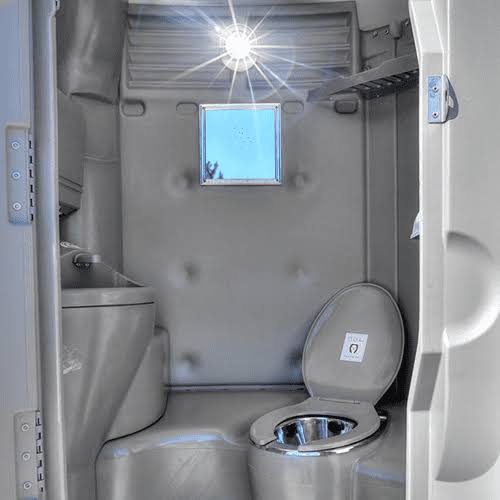
Portable Chemical Toilet vs Flush Toilet is a practical comparison between mobile sanitation and conventional plumbed sanitation. A portable chemical toilet is self-contained, movable, and designed to operate without a permanent sewer connection. A flush toilet requires water, drainage, and plumbing infrastructure to move waste away from the building. The better option depends on your location, project duration, budget, expected usage, infrastructure, and sanitation requirements.


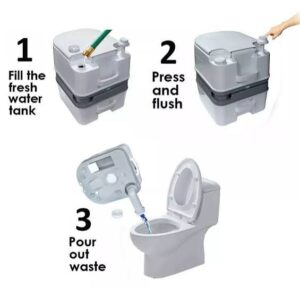

What Is a Portable Chemical Toilet?
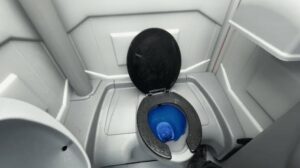
A portable chemical toilet is a portable toilet with a waste-holding tank and chemical treatment system. The chemicals help control odor control, maintain cleanliness, and manage waste until professional servicing occurs. Its self-contained design makes it suitable for construction sites, outdoor events, temporary facilities, emergencies, camps, and locations without conventional plumbing. Units are commonly made from durable polyethylene, reinforced plastic, PVC, FRP, or fiberglass.
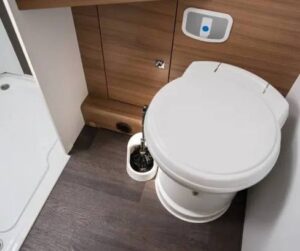
A flush toilet uses water to transport waste through connected pipes into a septic tank or sewer system. It is designed primarily for permanent buildings where water and drainage infrastructure are available. Flush systems provide familiar convenience but can require substantial installation, plumbing, water supply, and maintenance. Understanding this fundamental difference makes the Portable Chemical Toilet vs Flush Toilet decision much easier.
Portable Chemical Toilet vs Flush Toilet: 10 Key Differences
1. Installation Requirements
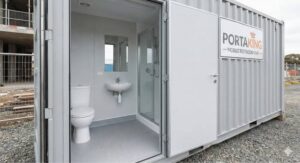
A chemical toilet offers a major advantage when rapid sanitation is required. It can be delivered and positioned on suitable ground without extensive excavation or permanent drainage work. This can reduce installation cost, construction disruption, and project delays. It is particularly practical for building site toilet hire, outdoor events, emergency response, and temporary sites.
A flush toilet requires plumbing connections, water supply, drainage, fixtures, and appropriate structural planning. Installing one where no infrastructure exists can involve significant labour and construction expenses. Therefore, permanent flush toilets are more suitable when sanitation infrastructure is already planned.
2. Water Consumption
Water consumption is another major difference. Chemical toilets require little water compared with conventional flushing systems, and some models operate as waterless portable toilet solutions. Waste remains inside a sealed tank until scheduled cleaning and removal. This makes them useful where water supply is limited or unreliable.
Flush toilets depend on water for every flushing cycle. They work efficiently where there is dependable water infrastructure, but interruptions can affect usability. For temporary projects, the lower water requirement of chemical toilets can provide an efficient and cost-effective alternative.
3. Mobility and Flexibility
Mobility is one of the defining strengths of chemical toilets. A unit can be relocated as construction zones change or removed when an event ends. This makes mobile toilet systems valuable for contractors, event planners, government projects, and temporary accommodation.
A flush toilet becomes part of the building once installed. Moving it requires significant plumbing and construction work. For festivals, concerts, weddings, sporting events, road projects, and temporary work camps, portable sanitation offers greater flexibility.
4. Waste Management
Chemical toilets collect waste inside a dedicated holding tank. Special treatment chemicals help control odours while the waste remains inside the unit. Professional servicing involves waste removal, cleaning, replenishing treatment chemicals, and inspecting the tank.
Flush toilets transport waste through drainage pipes after flushing. Waste eventually reaches a septic system, treatment facility, or municipal sewer network. This can be highly effective where proper infrastructure exists, but unavailable infrastructure can make installation challenging.
5. Maintenance and Servicing
Every sanitation system requires maintenance. Chemical toilets need regular cleaning, waste removal, deodorising, inspection, and replenishment of supplies. High-traffic locations require more frequent servicing to maintain a fresh and hygienic environment.
Flush toilets require cleaning, plumbing inspection, drainage maintenance, and water-system management. Blockages, leaks, broken fixtures, or poor drainage can affect performance. The right solution is therefore not simply the cheapest toilet but the system that can be maintained properly.
6. Cost and Pricing
The Portable Chemical Toilet vs Flush Toilet cost comparison should include more than the initial price. Chemical toilet expenses can include rental cost, delivery, pickup, servicing, cleaning, and waste management. However, they can avoid extensive plumbing and permanent infrastructure expenses.
Flush toilets can involve plumbing materials, labour, water connections, drainage, installation, repairs, and long-term maintenance. For permanent properties, these costs may be justified by continuous use. For temporary requirements, chemical toilet rental prices can offer a more practical budget.
7. Hygiene and Odour Control
A properly maintained chemical toilet can provide clean and hygienic sanitation. Its sealed tank and chemical treatment system help manage unpleasant smells between servicing visits. Ventilation, hand sanitiser, handwashing stations, and regular cleaning further improve user comfort.
Flush toilets also provide excellent hygiene when water supply and drainage systems function properly. However, blocked drains, poor cleaning, or plumbing problems can create unpleasant odours. In both systems, hygiene depends heavily on proper cleaning, maintenance, and responsible use.
8. Applications and Suitability
Chemical toilets are particularly useful for construction, outdoor events, festivals, ceremonies, religious gatherings, sporting events, emergency sanitation, camping, and temporary accommodation. They can also support schools, factories, agricultural projects, mining operations, oil and gas projects, and humanitarian relief.
Flush toilets are better suited to homes, hotels, offices, hospitals, restaurants, schools, universities, and established commercial buildings. These environments generally benefit from permanent water and drainage infrastructure. The best selection therefore depends on whether your requirement is temporary, mobile, or permanent.
9. Comfort and Features
Basic chemical toilets focus on essential sanitation, but premium models can provide impressive comfort. Options may include ventilation, lighting, mirrors, handwashing stations, sinks, improved seating, urinals, and accessible configurations. Premium units can support weddings, conferences, corporate events, and VIP gatherings.
Flush toilets provide a familiar indoor experience and can integrate showers, sinks, bidets, and other permanent bathroom fixtures. However, they require substantially more infrastructure. Customers comparing options should examine features, dimensions, capacity, accessibility, material, durability, and intended usage.
10. Speed of Deployment
Speed can become critical during emergencies or temporary projects. Chemical toilets can be delivered and positioned relatively quickly when suitable units are available. This makes emergency portable toilet rental useful during floods, disasters, evacuations, renovations, plumbing emergencies, and large outdoor gatherings.
A new flush toilet installation normally requires planning, plumbing, construction, water connections, and drainage. These processes can take considerably longer. When sanitation is urgently needed, portable systems can provide a rapid solution while permanent facilities are developed.
Choosing the Right Option Across Nigeria
The right sanitation solution depends heavily on local conditions. Requirements can vary between Lagos, Abuja, Port Harcourt, Kaduna, Uyo, Asaba, Warri, Ibadan, Benin, Bonny Island, Enugu, Kano, and Jos. Remote or rapidly developing locations may benefit particularly from flexible portable sanitation.
Projects around Suleja – Niger State, Karu – Nasarawa State, Mararaba – Nasarawa State, Keffi – Nasarawa State, Gurara – Niger State, Zuba – FCT, Gwagwalada – FCT, Kuje – FCT, Bwari – FCT, and Abaji – FCT can also require temporary facilities. Similar requirements occur across Sokoto, Minna, Zaria, Katsina, Dutse, Maiduguri, Gombe, Bauchi, Yola, and Jalingo.
Demand also extends through Makurdi, Abakaliki, Awka, Onitsha, Owerri, Umuahia, Rivers State, Akwa Ibom State, Delta State, Edo State, Abeokuta, Ogun State, Ilorin, Lokoja, Akure, Oshogbo, Ekiti, and Ile-Ife. Portable systems can provide sanitation where permanent facilities are unavailable, under construction, or insufficient for temporary demand.
West African Applications
Portable sanitation is also valuable across West Africa. Projects and outdoor gatherings in Accra, Kumasi, Cotonou, Lomé, Abidjan, Monrovia, Freetown, Banjul, Cape Verde, and Dakar may require temporary toilet infrastructure.
Within Ghana, requirements can arise in Sekondi-Takoradi, Tamale, Sunyani, Tema, Cape Coast, Elmina, Winneba, Keta, Ada Foah, and Ho. Availability, transportation, servicing requirements, user volume, water infrastructure, and project duration should guide the final selection.
Vistacraft Builders provides portable sanitation solutions for construction, events, temporary facilities, and other applications requiring dependable sanitation infrastructure. The priority should remain on appropriate specifications, hygiene, accessibility, servicing, and long-term value.
Which Toilet Is Better?
The Portable Chemical Toilet vs Flush Toilet choice ultimately depends on the environment and purpose. Choose a chemical toilet when you need mobility, quick deployment, limited water dependence, temporary sanitation, or a solution for locations without sewer infrastructure.
Choose a flush toilet when you have a permanent building with reliable water, drainage, plumbing, and long-term occupancy. A chemical toilet is not necessarily a replacement for every flush system. Instead, it provides a powerful sanitation alternative where flexibility and rapid deployment matter.
The smartest buying guide is simple: assess your location, users, duration, infrastructure, servicing requirements, accessibility needs, and total operating cost. Then select the system that delivers reliable sanitation without creating unnecessary construction or maintenance burdens.
Frequently Asked Questions
Is a portable chemical toilet better than a flush toilet?
A chemical toilet is generally better for temporary, mobile, outdoor, and off-grid requirements. A flush toilet is normally better for permanent buildings with reliable water and drainage.
Does a chemical toilet smell?
Proper chemical treatment, ventilation, cleaning, and scheduled waste removal can significantly control unpleasant odours. Poor servicing can cause odour problems in any sanitation system.
How much does a portable chemical toilet cost?
The price varies according to the unit type, rental duration, location, delivery requirements, servicing frequency, and features. Requesting a detailed quotation provides a more accurate estimate.
Are chemical toilets suitable for construction sites?
Yes. Their mobility, durable construction, rapid deployment, and independence from permanent plumbing make them suitable for many construction environments.
Can chemical toilets be used for weddings?
Yes. Standard units can serve outdoor weddings, while premium and VIP models can provide greater comfort and presentation for formal events.
How often should chemical toilets be serviced?
Servicing depends on user numbers, capacity, rental duration, weather, and usage intensity. High-traffic locations normally require more frequent servicing.Get started today!
🌐 Visit: www.vistacraftbuilders.com.ng 📧 Email: info@vistacraftbuilders.com.ng 📞 Call/WhatsApp: +234 911 416 6874
Vistacraft Builders — Building Quality. Creating Lasting Value. At Vistacraft Builders, we provide – Portable Toilets in Nigeria, Portable Toilets Price in Nigeria, Mobile Toilet for Hire, Building Site Toilet Hire, Portable Toilets for Elderly Users, Medical Portable Toilets, Portable Toilets for RVs, FRP Portable Toilet, Readymade Toilet and Bathroom, Emergency Portable Toilet Rental, Portable Toilet Business in Nigeria, Portable Toilet Rental Cost, Portable Chemical Toilet vs Flush Toilet,