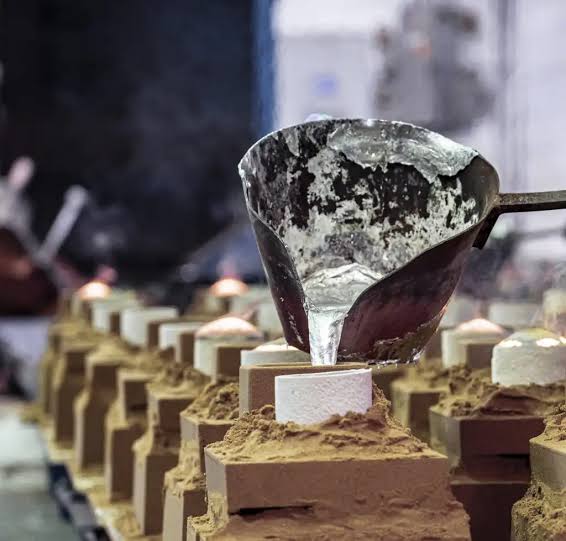
Molten Metal to Finished Product describes the complete foundry journey from preparing metal alloys to delivering inspected, machined, and finished components. The process combines melting, mould preparation, core making, casting, cooling, heat treatment, machining, inspection, and finishing. Modern foundries use controlled temperatures, advanced equipment, metallurgical testing, and precision production methods to achieve consistent results. This transformation matters because every stage influences the strength, accuracy, durability, appearance, and service life of the final component.
A successful foundry operation begins long before liquid metal enters a mould. Engineers first determine the required alloy, geometry, mechanical properties, dimensional tolerances, and operating environment. Materials may include Grey Irons, Ductile Irons, High Chrome Irons, Ni-Hard Steels, Moly Chrome Steels, and Martensitic Steels. Specialized applications may require Stainless Steels (heat and corrosion resistant) or Manganese Steels for demanding thermal, corrosive, or impact conditions.
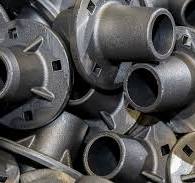
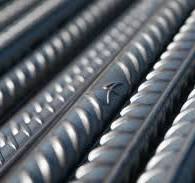
The Powerful Stages of Molten Metal to Finished Product Manufacturing
1. Engineering Design and Material Selection
Every reliable casting begins with a precise engineering concept. Engineering Design and Structural Engineering Services help translate performance requirements into practical drawings, specifications, patterns, and manufacturing instructions. Engineers evaluate load, temperature, corrosion, abrasion, pressure, dimensional tolerances, and expected service life. This expert planning reduces costly production errors and creates a clear foundation for successful manufacturing.
Material selection is equally important because different alloys behave differently during casting and service. A professional Manufacturer, Supplier, or engineering Company should recommend materials according to application requirements rather than price alone. Automotive, construction, oil and gas, marine, mining, aerospace, medical, defense, railway, energy, power, and food processing applications may require very different specifications.
2. Advanced Melting Facilities and Metallurgical Control
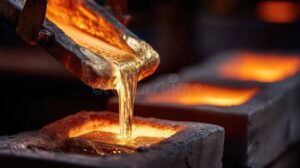
The transformation from solid material into liquid metal happens inside specialized melting facilities. Operators carefully control temperature, chemical composition, furnace conditions, charge materials, and pouring parameters. Advanced foundries can use Optical Emission Spectrometers to required metallurgical specifications and verify that alloys meet established requirements. This level of control produces more predictable iron and steel castings.
The sight of glowing metal moving through a controlled foundry environment demonstrates the power of modern manufacturing. However, visual appearance alone cannot establish metallurgical quality. Chemical analysis, temperature monitoring, process documentation, and inspection provide the evidence needed for reliable production. These controls are particularly important when manufacturing industrial-grade, heavy-duty, or safety-critical components.
3. Moulding and Core Making
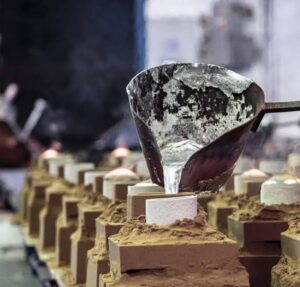
After material selection, engineers create the mould that determines the external shape of the casting. Modern moulding machines and automated moulding facilities improve repeatability, production speed, and dimensional consistency. Some foundries specialize in the production of green sand moulds, providing an economical method for manufacturing many industrial components. Correct mould design also helps reduce defects such as misruns, shrinkage, inclusions, and dimensional inconsistencies.
Complex components may require advanced core making facilities to create internal passages and cavities. Professional core making requires accurate patterns, suitable materials, controlled curing, and precise placement. Effective molding and core production allow manufacturers to produce castings with complicated internal geometries. The result is a smoother transition from design specification to physical component.
4. Pouring and Casting
The next stage involves transferring carefully prepared molten alloy into the mould. Operators must control pouring temperature, flow rate, timing, and filling conditions. Poor control can create turbulence, porosity, inclusions, cold shuts, or other casting defects. Professional processes therefore prioritize controlled, repeatable, and efficient pouring practices.
Once the metal enters the mould, the liquid begins losing heat and transforming into a solid component. The cooling process must be managed according to alloy chemistry, geometry, section thickness, and required mechanical properties. After solidification, the casting is removed and prepared for subsequent inspection. This is the critical point where Molten Metal to Finished Product becomes a tangible industrial component.
5. Heat Treatment for Better Performance
Casting alone may not deliver the final mechanical properties required for demanding applications. heat treatment can modify material characteristics through controlled heating, holding, and cooling cycles. Modern heat treatment facilities may incorporate Water, oil and air quenching facilities according to the required material specification. These processes can improve hardness, strength, toughness, dimensional stability, or wear resistance.
A professional Precision Heat Treatment Services provider evaluates the alloy and intended application before selecting an appropriate treatment cycle. Incorrect treatment can create distortion, cracking, excessive hardness, or inadequate performance. Proper control therefore remains essential for high-performance engineering components. This stage can make the difference between an ordinary component and a remarkably durable one.
6. Precision Machining and Finishing
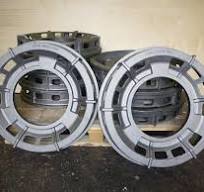
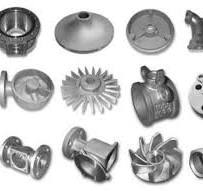
Cast components rarely leave the foundry ready for immediate installation. machining removes excess material and achieves specified dimensions, tolerances, holes, threads, surfaces, and interfaces. CNC equipment can perform facing, turning, adding slots, drilling, tapping and complex surface contours facing with impressive repeatability. This precision enables components to integrate accurately with other machinery.
Depending on requirements, manufacturers can provide Precision CNC Machining Services, Industrial Machine Shop Services, and CNC Router Cutting Services. Surface preparation and finishing can then improve appearance, functionality, corrosion protection, or assembly performance. Additional capabilities may include Metal Fabrication and Welding Services, Precision Laser Welding Services, and Custom Laser Engraving Services. Together, these services create a complete manufacturing pathway from casting to installation-ready component.
7. Inspection, Quality Assurance, and Delivery
Quality assurance brings the production cycle together. Inspectors evaluate dimensions, surface condition, material properties, defects, hardness, and compliance with approved specifications. Depending on the project, inspection may include visual checks, dimensional measurement, metallurgical analysis, or non-destructive testing. This systematic approach helps manufacturers deliver consistent, reliable, and high-quality products.
For manufacturers, procurement teams, engineers, and fabricators, documentation is equally important. A complete Buying guide, Selection guide, and project Checklist should address specifications, quantities, tolerances, delivery requirements, installation, maintenance, repair, and lifecycle expectations. These factors help buyers compare Price, Cost, Quote, production capability, and technical support. A trusted supplier should also provide a clear Request quote, Order, and delivery pathway.
Why Modern Foundry Manufacturing Matters
Modern foundry manufacturing provides more than individual castings. It creates integrated Services and Solutions for businesses requiring reliable components, replacement parts, custom designs, and production support. Foundries can manufacture re-engineered parts for obsolete machinery or improve existing components through redesigned geometry and upgraded materials. This can reduce dependence on imported replacement components while supporting local industrial capacity.
The manufacturing ecosystem now extends beyond conventional casting. Businesses may combine casting with additive manufacturing using a Titan Robotics 3D printer, CNC production, laser cutting, welding, and precision inspection. Buyers researching Best CNC Machine Supplier in Nigeria, Industrial Laser Cutting Machine Price in Nigeria, or a CNC Router Machine Price Guide can integrate these technologies into broader production strategies. Other procurement needs may include a MIG Welder Price and Buying Guide or Hydraulic Press Supplier in Nigeria.
For manufacturers requiring polymer production, Injection Molding Services for Manufacturers can complement metal casting capabilities. Businesses may also require Industrial Weights Manufacturing and Supply for testing, balancing, lifting, calibration, construction, and industrial applications. These interconnected capabilities create a more flexible and turnkey manufacturing environment. The result is faster development, better customization, and greater control over production.
Choosing a Foundry and Engineering Partner in Nigeria
Choosing the right foundry requires more than comparing the lowest quotation. Look for proven technical expertise, appropriate moulding facilities, reliable melting facilities, capable core making facilities, controlled heat treatment facilities, and precision machining resources. Evaluate production capacity, quality systems, engineering support, delivery performance, and experience with OEM, custom, commercial, and industrial projects. A strong partner should understand both the technical requirements and commercial realities of your project.
Vistacraft Builders provides integrated engineering and manufacturing solutions for clients seeking reliable Molten Metal to Finished Product capabilities in Nigeria and across African markets. Its market relevance extends to industrial centers including Lagos, Abuja, Port Harcourt, Kaduna, Uyo, Asaba, Warri, Ibadan, Benin, Bonny Island, Enugu, and Kano. Regional opportunities also span Accra, Cotonou, Lome, Abidjan, Monrovia, Freetown, Banjul, Cape Verde, and Dakar. This broad geographic relevance supports manufacturers, factories, workshops, SMEs, contractors, engineers, and industrial procurement teams.
The Smart Manufacturing Advantage
The most successful foundry projects combine engineering accuracy with disciplined process control. From alloy selection and mould design to melting, casting, heat treatment, machining, finishing, and inspection, every stage contributes to the final result. A Trusted, Professional, and technically capable partner can help reduce waste, improve consistency, and deliver durable components. That creates a Transformative advantage for businesses competing in demanding industrial markets.
The future of foundry manufacturing is increasingly automated, connected, energy-efficient, and precision-driven. Advanced equipment, digital design, improved metallurgy, CNC machining, laser technologies, and additive manufacturing are reshaping what foundries can produce. For professionals and manufacturers, this creates an Amazing opportunity to develop stronger, smarter, and more efficient components. The journey from liquid metal to finished engineering product has never been more powerful.
Conclusion: Turning Molten Metal Into Industrial Value
Molten Metal to Finished Product is a carefully controlled engineering journey that combines metallurgy, moulding, casting, heat treatment, machining, finishing, and inspection. Each stage must work together to achieve accurate dimensions, reliable mechanical performance, and long-lasting service. The right processes can transform raw materials into high-quality components capable of supporting demanding industrial applications. The right engineering partner can make that transformation faster, safer, and more successful.
Whether you need castings, replacement components, industrial weights, custom fabrication, precision machining, or complete manufacturing Solutions, professional planning remains essential. Evaluate specifications, quality controls, production capabilities, lifecycle cost, and technical support before making a procurement decision. With the right combination of technology and expertise, modern foundry manufacturing becomes a powerful foundation for industrial growth. For businesses ready to move from concept to production, the next step is simple: discuss your requirements with an experienced engineering partner.
Frequently Asked Questions About Molten Metal to Finished Product
What does Molten Metal to Finished Product mean?
It describes the complete manufacturing process that transforms raw metal into a finished casting through melting, moulding, pouring, cooling, heat treatment, machining, inspection, and finishing.
What materials can modern foundries produce?
Modern foundries can produce alloys such as Grey Irons, Ductile Irons, High Chrome Irons, Ni-Hard Steels, Moly Chrome Steels, Martensitic Steels, Stainless Steels (heat and corrosion resistant), and Manganese Steels.
Why is metallurgical testing important?
Metallurgical testing verifies chemical composition and helps ensure that the material meets the required engineering specifications. This is particularly important for critical industrial components.
Can foundries produce custom components?
Yes. Professional foundries can manufacture custom and OEM components using approved drawings, patterns, specifications, and engineering requirements. They can also support re-engineering and replacement-part projects.
What happens after casting?
After casting, components may undergo cleaning, inspection, heat treatment, machining, surface treatment, welding, engraving, and finishing, depending on their application.
How do I choose a reliable foundry?
Consider its manufacturing capabilities, metallurgy expertise, equipment, quality assurance, production capacity, engineering support, delivery record, customization capabilities, and after-sales services.
Can one company manage the complete manufacturing process?
Yes. An integrated engineering provider can coordinate design, casting, heat treatment, machining, fabrication, finishing, inspection, and delivery through a complete manufacturing workflow.
Why should manufacturers consider local foundry services?
Local manufacturing can improve communication, customization, technical support, delivery coordination, and replacement-part availability while helping businesses strengthen regional supply chains.Ready to bring your engineering or construction project to life? Get in touch with Vistacraft Builders today.
🌐 Visit: www.vistacraftbuilders.com.ng 📧 Email: info@vistacraftbuilders.com.ng 📞 Call/WhatsApp: +234 911 416 6874
Vistacraft Builders — Engineering Innovation. Building Trust. Delivering Excellence.At Vistacraft Builders, we provide – Interior designs – Paints, Painting & Screeding – Wall papers & murals, wall decors – Floors, Flooring & Ceilings – Carpentry & partitions – Electrical lightning & fittings – Plumbing & Toilets – Interior equipment – Renovations & Container Spaces – Protection & Security – Car interior – Machines & equipment Tech Devices & Gadgets (Tech Gear), Buy PlayStation VR In Nigeria, How Much Is Virtual Reality Game, Latest Apple VR Price In Nigeria, Best VR Headset For PC 2024, Latest VR Meta Quest 3 Headset, How Much Is Virtual Reality Game, Best VR Headset 2024, EChecker Smart Meters Nigeria, Pioneering Energy Management Solutions eChecker,
Revolutionizing Energy Management Rise eChecker, EChecker Nigeria Limited, EChecker Smart Energy Meter, Get EChecker Tetra 3 Meter, EChecker Apartment Meters In Nigeria, Smart Prepaid Electricity Meters In Nigeria, Smart Power Meter For Home In Nigeria 2024, Meter To Monitor Electricity Usage In Nigeria 2024, Best Home Electricity Monitor In Nigeria 2024, Energy Meter 3 Phase In Nigeria 2024, Gas Energy Monitor In Nigeria 2024, Smart Meter Energy Nigeria 2024, Luxe WPC Flute Panel, Interior WPC Wall Panels, Quality Fluted Panels In Nigeria, Fluted Panels Price In Nigeria, PU Veneer Stone Panels, Screeding, Beautiful Paintings, Licensed Electrician Wall Art, Wall Art Ideas, Paintings for Home
Light Gauge Steel, Light Gauge Steel: The Ultimate Guide to Stronger, Smarter & Cost-Effective Construction, Light Gauge Steel, Light Gauge Steel Guide Smarter, Light Gauge Steel Roofing: The Ultimate Solution for Durable Buildings, Cold Formed Steel Roof Trusses, Cold Formed Metal Trusses, CFS Roof Trusses, Installation of Light Gauge Steel Trusses, Light Gauge Steel Roofing, Drill Press vs Drill Machine,
Drill Press Vs Drill Machine: Which Should You Buy?, Drill Machine, Industrial Finishing, High-quality Industrial Finishing, Grinder Machine, Cutting Machine, Manufacturing Machines, How Smart Manufacturing Machines Increase Factory Productivity, Industrial Machines, The Best Industrial Machines Every Fabrication Shop Needs, CNC Machine, CNC Machine: The Intelligent Engine Behind Modern Manufacturing, CNC Machining, Laser Cutting Machines, Laser Cutting Machines Are Transforming Modern Manufacturing, MIG Welder, MIG Welder Explained: Why It Matters In Modern Fabrication, Light Gauge Steel, Light Gauge Steel Revolutionizing Modern Construction, Light Gauge Steel Trusses, Inside a Modern Machine Shop, Machining Explained, Precision Machining, Machining Techniques, Cold-Formed Steel Roof Trusses, Cold Formed Steel Trusses, Cold Formed Metal Trusses, Iron and Steel Castings, Grey Irons,