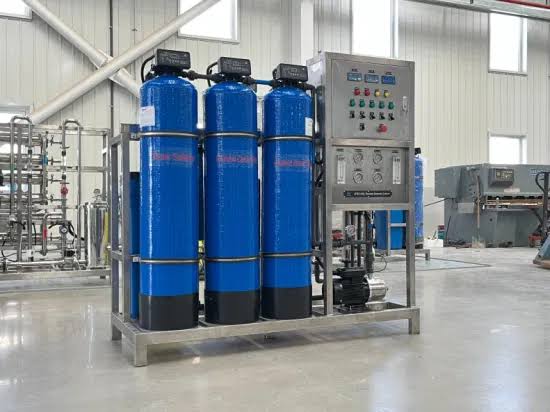
Reverse Osmosis Explained means understanding how pressure pushes water through a semi-permeable membrane to reduce dissolved contaminants and improve water quality. This advanced reverse osmosis water purification technology is useful for drinking water, borehole water, well water, and commercial treatment. It can help address high TDS, salty water, unpleasant taste, sediment, and several other water-quality problems. For modern homes and businesses, it offers a powerful and efficient approach to producing cleaner, safer water.
What Is Reverse Osmosis Explained?
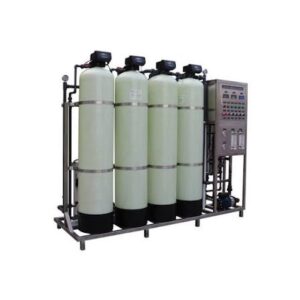
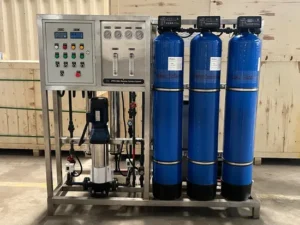
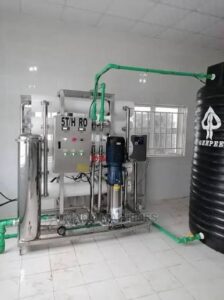
Reverse Osmosis Explained in simple terms is the process of forcing water through a specialized reverse osmosis membrane under pressure. The membrane allows water molecules to pass while retaining many dissolved salts, minerals, and other unwanted substances. A typical reverse osmosis system combines sediment filtration, carbon filtration, membrane treatment, and optional post-treatment. Depending on the design, the system can include a pump, membrane housing, pressure tank, remineralization filter, or UV light.
The process normally begins with a sediment filter, which captures sand, dirt, rust, and suspended particles. A carbon filter can then reduce chlorine, odors, and certain organic compounds that may affect taste. The water reaches the RO membrane under pressure, where much of the dissolved contaminant load is separated from the treated water. The result is reverse osmosis drinking water suitable for appropriately treated household and commercial applications.
Reverse Osmosis Explained: 10 Powerful Benefits
1. Reduces High TDS
One of the biggest advantages of RO is its ability to reduce many dissolved solids. This makes it valuable where high TDS, salty water, or mineral-heavy water affects taste and usability. Borehole and well-water sources can sometimes contain substantial dissolved minerals. Proper water testing helps determine whether RO is the right solution.
2. Improves Taste and Odour
Water containing minerals, chlorine, or other substances can develop a metallic taste or unpleasant smell. An RO system combines membrane treatment with pre- and post-filtration to improve the sensory quality of water. A glass of properly treated water should taste clean, fresh, and neutral. This benefit makes RO particularly attractive for kitchens, offices, restaurants, and hospitality facilities.
3. Provides Advanced Water Treatment
Conventional filters are useful for specific contaminants, but they do not provide the same membrane-based treatment as RO. Reverse osmosis water treatment can reduce many dissolved contaminants that ordinary sediment filtration cannot address. The system can therefore complement other technologies where water chemistry is challenging. Pretreatment remains essential when the source contains excessive iron, hardness, sediment, or other membrane-damaging substances.
4. Works Well for Borehole and Well Water
Many Nigerian properties depend on groundwater for daily water supply. A reverse osmosis system for well water can be considered when testing shows dissolved contaminants that require membrane treatment. Cities including Lagos, Abuja, Port Harcourt, Ibadan, Kano, Kaduna, Enugu, and Uyo can have very different water conditions. Professional analysis should therefore come before selecting an RO system.
5. Supports Homes and Apartments
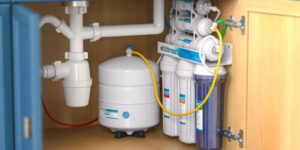
Residential RO systems are available in several configurations. An under sink reverse osmosis system saves kitchen space, while a countertop reverse osmosis unit offers a convenient alternative for apartments and smaller properties. A tankless reverse osmosis system can provide a compact, modern installation with on-demand production. Larger properties may consider a whole house reverse osmosis system, although whole-home treatment requires careful sizing.
6. Serves Commercial and Industrial Applications
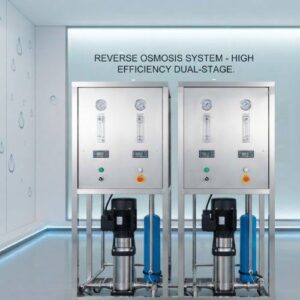
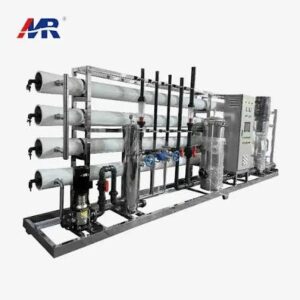
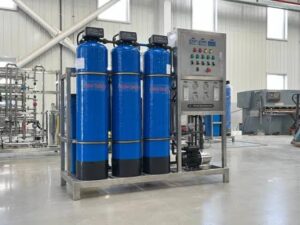
RO technology extends far beyond household drinking water. A commercial reverse osmosis system can support hotels, restaurants, hospitals, schools, offices, churches, and small businesses. Larger facilities may require an industrial reverse osmosis system, high-flow pumps, multiple membranes, and automated monitoring. Production facilities and pure-water businesses can also use appropriately engineered RO plants.
7. Offers Flexible Filtration Stages
RO systems are available in different configurations, including 4 stage reverse osmosis system, 5 stage reverse osmosis system, 6 stage reverse osmosis system, and 7 stage reverse osmosis system designs. The additional stages may provide sediment protection, carbon treatment, remineralization, UV treatment, or other functions. A 5 stage RO system is commonly structured around sediment, carbon, membrane, and post-treatment stages. The correct configuration depends on source-water quality rather than the number of stages alone.
8. Can Include Remineralization and UV
RO removes many dissolved substances, so some users prefer post-treatment to improve taste. A remineralization filter can add selected minerals back into treated water. Systems may also incorporate reverse osmosis with UV light for an additional microbial treatment barrier. Other configurations include a water softener and reverse osmosis system where hardness threatens membrane performance.
9. Provides a Cost-Effective Long-Term Solution
The reverse osmosis system price depends on capacity, membrane type, filtration stages, pumps, storage, installation, and automation. Buyers should consider the total cost rather than focusing only on the initial equipment price. Important expenses include installation cost, replacement filters, membrane replacement, electricity, maintenance, and running cost. A properly sized system can be more valuable than a cheap unit that requires frequent repairs.
10. Offers Scalable Water Treatment
RO can be designed for different levels of demand. A small family may need a compact ro purifier for home, while a hotel or factory may need a high-capacity commercial system. Large installations can use multiple membranes, pressure pumps, storage tanks, and monitoring controls. This scalability makes RO suitable for homes, estates, offices, water production facilities, and industrial plants.
Choosing the Best Reverse Osmosis System
The best reverse osmosis system is not necessarily the most expensive model. Buyers should consider source-water quality, daily consumption, TDS, pressure, available space, filtration capacity, membrane life, electricity requirements, and maintenance needs. They should also check whether replacement parts and professional installation are readily available. A reliable supplier should provide a clear quotation and explain the system specifications.
For example, a household may search for a ro water purifier price, ro filter price, or reverse osmosis water filter price. However, price alone does not establish quality. A professional water treatment assessment provides a better foundation for equipment selection.
RO Installation and Maintenance Guide
Correct installation protects the membrane and improves system performance. The installer should check inlet pressure, pipework, drainage, storage capacity, and pretreatment requirements before commissioning the unit. Regular maintenance includes changing sediment and carbon filters and monitoring membrane performance. Common warning signs include reduced flow, unusual taste, rising TDS, persistent odour, and excessive reject water.
Homeowners should avoid costly mistakes such as ignoring filter replacement or installing an RO unit without testing the source water. Industrial systems require more structured maintenance schedules and performance monitoring. Professional servicing can also make replacement parts easier to source when required.
Reverse Osmosis Across Nigeria and West Africa
Demand for advanced water treatment extends across many Nigerian markets. Applications can be relevant in Jos, Suleja, Karu, Mararaba, Keffi, Gurara, Zuba, Gwagwalada, Kuje, Bwari, Abaji, Sokoto, Minna, Zaria, Katsina, Dutse, Maiduguri, Gombe, Bauchi, Yola, and Jalingo.
Southern and eastern markets include Makurdi, Abakaliki, Awka, Onitsha, Owerri, Umuahia, Bonny Island, Warri, Asaba, Akure, Oshogbo, Ekiti, Ile-Ife, Abeokuta, and other communities across Rivers State, Akwa Ibom State, Delta State, Edo State, and Ogun State.
The opportunity also extends across West Africa, including Accra, Kumasi, Cotonou, Lomé, Abidjan, Monrovia, Freetown, Banjul, Cape Verde, and Dakar. Water chemistry varies across these markets, making professional assessment important. The same RO specification should not automatically be applied to every location.
Why Choose Vistacraft Builders?
Vistacraft Builders provides professional water-treatment solutions for residential, commercial, and industrial requirements. Its approach focuses on matching treatment equipment to water quality, capacity requirements, and the intended application. This can include RO systems, filtration, softening, UV treatment, storage, and supporting infrastructure. The goal is a reliable and practical solution rather than simply selling equipment.
Frequently Asked Questions
Is reverse osmosis good for drinking water?
Yes, when correctly designed, installed, and maintained. RO can significantly reduce many dissolved contaminants and improve taste.
Is RO suitable for borehole water?
Yes. However, borehole water should be tested first because iron, hardness, sediment, and other conditions may require pretreatment.
What is the difference between RO and ordinary filtration?
Ordinary filtration commonly targets particles or specific substances. RO uses pressure and a semi-permeable membrane to reduce many dissolved substances.
Is reverse osmosis worth the investment?
It can be worthwhile where water has high TDS, salinity, unpleasant taste, or other problems that conventional filtration cannot adequately address.
How often should RO filters be replaced?
Replacement intervals depend on water quality, consumption, filter type, and manufacturer recommendations. Regular monitoring provides a more accurate maintenance schedule.
Conclusion
Reverse Osmosis Explained is ultimately about understanding a powerful membrane technology and using it correctly. RO can improve water quality for homes, offices, hospitality businesses, water producers, and industrial facilities. The best results come from proper water testing, professional system sizing, quality components, and consistent maintenance. When these factors are handled correctly, reverse osmosis becomes a valuable and practical investment in modern water treatment.Get Your Water Treatment Solution!
🌐 Visit: www.vistacraftbuilders.com.ng 📧 Email: info@vistacraftbuilders.com.ng 📞 Call/WhatsApp: +234 911 416 6874
Vistacraft Builders — Building Quality. Creating Lasting Value. At Vistacraft Builders, we provide – Portable Toilets in Nigeria, Portable Toilets Price in Nigeria, Mobile Toilet for Hire, Building Site Toilet Hire, Portable Toilets for Elderly Users, Medical Portable Toilets, Portable Toilets for RVs, FRP Portable Toilet, Readymade Toilet and Bathroom, Emergency Portable Toilet Rental, Portable Toilet Business in Nigeria, Portable Toilet Rental Cost, Portable Chemical Toilet vs Flush Toilet, Camco Portable Toilet, Portable Sink and Toilet, Portable Toilet Price in Nigeria, Portable Toilets for Sale in Nigeria, Portable Toilet Suppliers in Nigeria, Water Filter and Purifier for Tank, Water Purifier in Nigeria, Reverse Osmosis Explained,