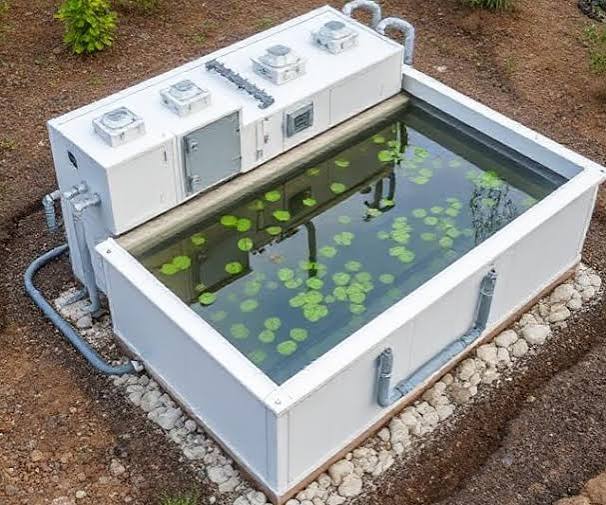
Sewage Treatment Plant systems are engineered facilities that treat wastewater before safe discharge, reuse, or further processing. They are important because untreated sewage can contaminate water sources, harm ecosystems, create unpleasant odours, and increase public-health risks.
A modern sewage treatment system uses physical, biological, and sometimes chemical processes to remove solids, organic matter, nutrients, and harmful microorganisms. The appropriate system depends on wastewater volume, facility type, site conditions, discharge requirements, available space, and future expansion.
Choosing correctly therefore requires more than comparing equipment prices. It requires an understanding of the complete sewage treatment process, operational requirements, environmental responsibilities, and long-term performance.

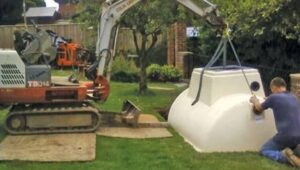

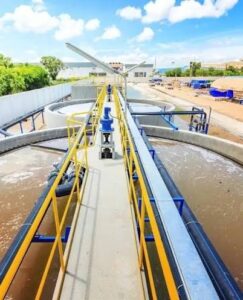
How to Select the Right Sewage Treatment Plant
The first step is to understand exactly how much wastewater your facility generates and what that wastewater contains. Residential buildings, hotels, hospitals, schools, estates, factories, and commercial facilities can have significantly different wastewater characteristics.
Before selecting equipment, assess:
- Daily and peak wastewater flow.
- Organic and suspended-solid loading.
- Nutrient and chemical concentrations.
- Available installation space.
- Required effluent quality.
- Electricity and water availability.
- Sludge handling requirements.
- Maintenance and staffing requirements.
- Expected future expansion.
This assessment helps determine whether a conventional wastewater treatment plant, compact system, modular solution, or decentralised installation is appropriate.
The assessment should also consider the sewage treatment plant cost over its entire lifecycle. Purchase price is only one component, while energy consumption, chemicals, labour, servicing, replacement parts, and sludge disposal influence long-term expenditure.
Why Professional Consulting Matters
Professional consulting helps organisations make informed decisions before committing to major infrastructure investments. A technical consultant can evaluate site conditions, wastewater characteristics, regulatory requirements, available technologies, and projected operating costs.
For new developments, this process should begin during feasibility studies and early architectural planning. It allows the sewage system, drainage infrastructure, treatment facility, access routes, electrical systems, and discharge arrangements to be integrated into the wider development.
Professional guidance is especially useful for projects in Nigeria, including Lagos, Abuja, Port Harcourt, Ibadan, and Kano. Similar considerations apply to developments in Nigeria, Benin, Benin City, Onitsha, Aba, and Enugu.
New Business Development and Wastewater Planning
New businesses should treat wastewater infrastructure as part of their core development strategy. Proper planning can reduce construction complications, improve environmental performance, and support reliable facility operations.
Developers should determine anticipated occupancy, water consumption, wastewater generation, land requirements, and future expansion before selecting a treatment technology. This approach is particularly valuable for hotels, estates, schools, healthcare facilities, industrial sites, and mixed-use developments.
A small sewage treatment plant, mini sewage treatment plant, or residential sewage treatment plant may suit smaller developments. Larger facilities may require advanced industrial wastewater treatment, automation, biological treatment, filtration, and specialised disinfection.
A comprehensive feasibility assessment can also compare treatment plants for wastewater, onsite wastewater treatment systems, and centralised solutions. The objective is to achieve reliable treatment without creating unnecessary capital or operating costs.
Housing Facility Design and Planning
Residential developments require careful wastewater planning because population, occupancy patterns, water usage, and site conditions influence treatment capacity. A home sewage treatment plant can provide an effective solution where centralised public infrastructure is unavailable.
Design considerations should include:
- Building occupancy and projected population.
- Wastewater collection and drainage routes.
- Treatment capacity and peak flows.
- Odour and noise control.
- Sludge storage and removal.
- Maintenance access.
- Electrical and control requirements.
- Safe discharge or reuse arrangements.
For developments around Cape Coast, Elmina, Winneba, Keta, Ada Foah, and Ho, environmental and site-specific conditions should influence the final design.
A properly integrated residential wastewater treatment systems strategy can support efficient sewage management while protecting surrounding soil and water resources.
Evaluating Existing Operations and Improving Performance
Existing treatment facilities should be periodically evaluated to determine whether they are delivering the required performance. Common problems include poor effluent quality, excessive energy consumption, odour, inadequate capacity, equipment failure, and inconsistent operation.
A technical evaluation should examine the complete sewage treatment plant process, including screening, primary treatment, biological treatment, clarification, filtration, disinfection, sludge management, pumps, blowers, sensors, and control systems.
Performance improvements may involve equipment replacement, process optimisation, automation, additional treatment stages, improved aeration, better sludge management, or capacity expansion.
For facilities experiencing operational challenges, professional sewage treatment plant servicing can help identify underlying causes rather than simply treating individual equipment failures.
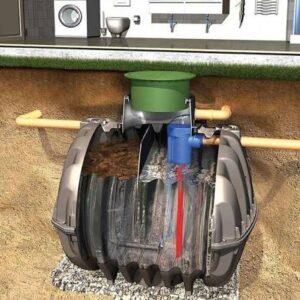

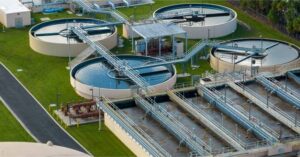
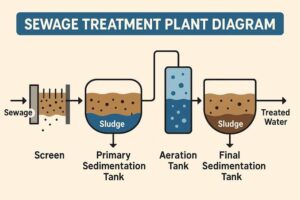
The Importance of Disinfection
Disinfection provides an important final treatment barrier by reducing harmful microorganisms remaining after earlier treatment stages. It can be particularly important when treated wastewater will be discharged into the environment or reused.
Depending on project requirements, systems may use chlorination, ultraviolet treatment, or other suitable technologies. The selection should consider effluent quality, intended reuse, regulatory requirements, operating costs, and maintenance capabilities.
This is why professional wastewater treatment companies should assess the complete treatment chain rather than recommending isolated equipment. Effective treatment depends on how each stage works with the others.
Benefits of Expert Strategic Guidance
Professional engineering guidance can provide significant advantages throughout the project lifecycle.
Key benefits include:
- Accurate wastewater capacity assessment.
- Better technology selection.
- More realistic lifecycle cost planning.
- Improved environmental compliance.
- Efficient equipment configuration.
- Better maintenance planning.
- Reduced operational risks.
- Improved opportunities for wastewater reuse.
- Greater reliability and long-term performance.
Experts can also help clients interpret technical documents such as a Sewage treatment plant PDF, process specifications, equipment schedules, and a water treatment plant diagram.
For major developments, wastewater planning should complement other infrastructure decisions, including water treatment plant building, electrical systems, civil works, and overall facility design.
Choosing a Sustainable Long-Term Solution
The best Sewage Treatment Plant is not necessarily the largest or most expensive option. It is the system that appropriately matches wastewater characteristics, facility requirements, site conditions, environmental objectives, available resources, and future needs.
Sustainable treatment requires efficient equipment, responsible sewage disposal, appropriate sludge management, reliable monitoring, and consistent servicing. A well-designed system can provide safe wastewater discharge while supporting environmental responsibility and operational efficiency.
Whether the project involves a residential development in Lagos, a commercial facility in Accra, an industrial development in Tema, or a regional project in Cotonou, Lomé, Abidjan, Monrovia, or Freetown, professional planning remains essential.
Conclusion
Selecting the right Sewage Treatment Plant requires a structured evaluation of capacity, wastewater characteristics, technology, site conditions, compliance requirements, operating costs, and future expansion.
Vistacraft Builders provides professional sewage treatment solutions designed for efficiency, environmental safety, reliability, and long-term performance. Partner with us for advanced treatment technology, effective wastewater management, and sustainable sewage treatment systems.
With the right technical guidance, businesses and property developers can achieve efficient sewage management, high-quality treatment, safe wastewater discharge, sustainable processes, and dependable long-term performance.
Frequently Asked Questions
1. What size Sewage Treatment Plant does my facility need?
Capacity depends on daily wastewater generation, peak flow, occupancy, facility type, wastewater characteristics, and anticipated future expansion.
2. What affects Sewage Treatment Plant cost?
Cost depends on capacity, technology, civil works, equipment, automation, installation conditions, energy requirements, maintenance, and sludge management.
3. Can a Sewage Treatment Plant serve residential properties?
Yes. Suitable options can include compact systems, home sewage treatment plant solutions, decentralised systems, and onsite wastewater treatment systems.
4. How often should a treatment system be serviced?
Service frequency depends on the technology and operating conditions. Regular inspections, cleaning, equipment checks, sludge management, and performance monitoring are recommended.
5. Why is disinfection important?
Disinfection helps reduce harmful microorganisms after primary and biological treatment. It is especially relevant where treated effluent will be discharged or reused.
“Ready to improve your wastewater management? Partner with Vistacraft Builders for reliable, efficient, and sustainable sewage treatment solutions tailored to your needs”.
Visit: www.vistagreen.africa
Email: info@vistagreen.africa
Call/WhatsApp: +234 911 416 6874
Vistacraft Builders — Engineering Innovation. Building Trust. Delivering Excellence.At Vistacraft Builders, we provide – Interior designs – Paints, Painting & Screeding – Wall papers & murals, wall decors – Floors, Flooring & Ceilings – Carpentry & partitions – Electrical lightning & fittings – Plumbing & Toilets – Interior equipment – Renovations & Container Spaces – Protection & Security – Car interior – Machines & equipment Tech Devices & Gadgets (Tech Gear), Buy PlayStation VR In Nigeria, How Much Is Virtual Reality Game, Latest Apple VR Price In Nigeria, Best VR Headset For PC 2024, Latest VR Meta Quest 3 Headset, How Much Is Virtual Reality Game, Best VR Headset 2024, EChecker Smart Meters Nigeria, Pioneering Energy Management Solutions eChecker,
Revolutionizing Energy Management Rise eChecker, EChecker Nigeria Limited, EChecker Smart Energy Meter, Get EChecker Tetra 3 Meter, EChecker Apartment Meters In Nigeria, Smart Prepaid Electricity Meters In Nigeria, Smart Power Meter For Home In Nigeria 2024, Meter To Monitor Electricity Usage In Nigeria 2024, Best Home Electricity Monitor In Nigeria 2024, Energy Meter 3 Phase In Nigeria 2024, Gas Energy Monitor In Nigeria 2024, Smart Meter Energy Nigeria 2024, Luxe WPC Flute Panel, Interior WPC Wall Panels, Quality Fluted Panels In Nigeria, Fluted Panels Price In Nigeria, PU Veneer Stone Panels, Screeding, Beautiful Paintings, Licensed Electrician Wall Art, Wall Art Ideas, Paintings for Home
Light Gauge Steel, Light Gauge Steel: The Ultimate Guide to Stronger, Smarter & Cost-Effective Construction, Light Gauge Steel, Light Gauge Steel Guide Smarter, Light Gauge Steel Roofing: The Ultimate Solution for Durable Buildings, Cold Formed Steel Roof Trusses, Cold Formed Metal Trusses, CFS Roof Trusses, Installation of Light Gauge Steel Trusses, Light Gauge Steel Roofing, Drill Press vs Drill Machine,
Drill Press Vs Drill Machine: Which Should You Buy?, Drill Machine, Industrial Finishing, High-quality Industrial Finishing, Grinder Machine, Cutting Machine, Manufacturing Machines, How Smart Manufacturing Machines Increase Factory Productivity, Industrial Machines, The Best Industrial Machines Every Fabrication Shop Needs, CNC Machine, CNC Machine: The Intelligent Engine Behind Modern Manufacturing, CNC Machining, Laser Cutting Machines, Laser Cutting Machines Are Transforming Modern Manufacturing, MIG Welder, MIG Welder Explained: Why It Matters In Modern Fabrication, Light Gauge Steel, Light Gauge Steel Revolutionizing Modern Construction, Light Gauge Steel Trusses, Inside a Modern Machine Shop, Machining Explained, Precision Machining, Machining Techniques, Cold-Formed Steel Roof Trusses,
Cold Formed Steel Trusses, Cold Formed Metal Trusses, Iron and Steel Castings, Grey Irons, Molten Metal to Finished Product, Modern Melting Facilities, Re-Engineered Parts, Re-Engineered Industrial, Industrial Weights, Precision Industrial Weights, CNC Machine,
Reverse Osmosis Systems, Ultrafiltration, Industrial Reverse Osmosis, Water Disinfection Systems, Water Treatment Disinfection , Sewage Treatment Plant,