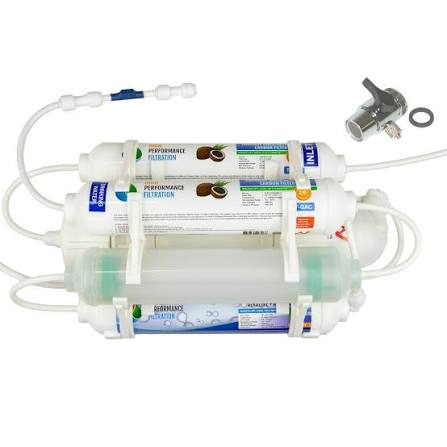
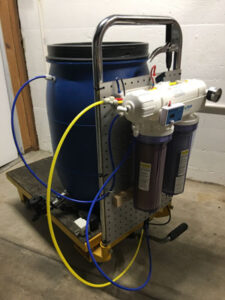
Portable Reverse Osmosis System technology is a compact water purification solution designed to treat suitable water at different locations. It uses pressure to push water through a semipermeable reverse osmosis membrane, reducing many dissolved contaminants. Depending on its design, it may combine sediment, carbon, membrane, UV, or remineralization stages. https://www.nairaland.com/8749183/portable-reverse-osmosis-system-9
Unlike a conventional water filter, reverse osmosis can address dissolved substances that basic sediment or carbon filtration may not remove. A typical ro system can therefore help improve water affected by high TDS, unpleasant taste, certain dissolved minerals, and other water-quality concerns. However, RO is not a universal solution for every contaminant or source. Proper water testing remains the first step toward selecting an appropriate treatment process.
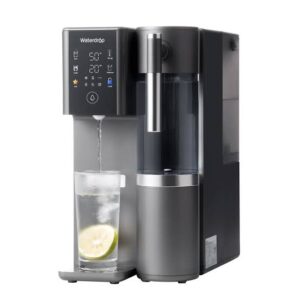
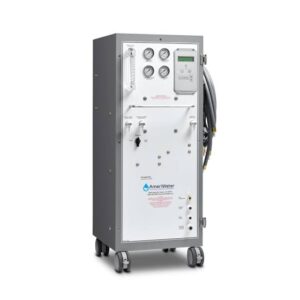
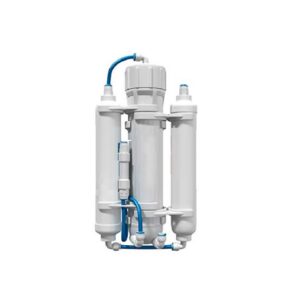
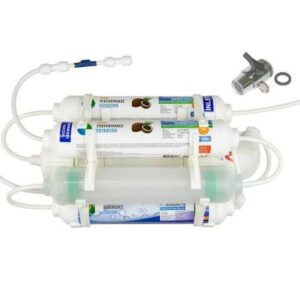
How a Portable Reverse Osmosis System Works
The process normally begins with a sediment filter, which captures particles such as sand, dirt, rust, and suspended matter. A carbon filter can then reduce chlorine, odours, and compounds that affect taste. A pump or suitable pressure source pushes the pretreated water through the reverse osmosis membrane.
The membrane provides the system’s principal dissolved-contaminant reduction stage. Additional filtration may include a remineralization filter or UV light for RO system, depending on the intended application. The treated water can then be collected for drinking, cooking, or other approved uses. System performance depends on pressure, temperature, source-water quality, membrane condition, and maintenance.
9 Powerful Benefits of Portable RO
1. Cleaner Drinking Water Where You Need It
A major advantage of portable RO is flexibility. The system can provide treated drinking water in suitable homes, offices, temporary facilities, field locations, and other environments. It can be particularly useful where available water has an unpleasant smell, cloudy appearance, high TDS, or undesirable taste. Source-water testing should always determine whether RO is appropriate.
2. Compact and Space-Efficient
A portable unit generally requires less infrastructure than a large centralized treatment plant. This makes it attractive for apartments, small offices, temporary accommodation, churches, project locations, and compact kitchens. Some systems can operate as a countertop reverse osmosis solution. Others can be configured for temporary under-counter or dedicated point-of-use installations.
3. Useful for Borehole and Well Water
Borehole water can contain sediment, iron, hardness, dissolved minerals, or other substances requiring treatment. A reverse osmosis system for well water may therefore provide an important purification stage after suitable pretreatment. Iron removal, softening, sediment filtration, or other processes may be necessary before the RO membrane. Testing the water prevents costly mistakes and inappropriate equipment selection.
4. Supports Multiple Applications
Portable RO can serve different requirements when correctly sized. Residential users may need it for home drinking water, while organizations may require treated water for office, for school, for restaurant, or for hospital applications. Small businesses can also consider it for selected water-production needs. Higher-volume applications may require a commercial reverse osmosis system instead.
5. Reduces Dependence on Bottled Water
Producing treated water at the point of use can reduce dependence on packaged drinking water in some settings. This can simplify storage and provide convenient access to freshly treated water. However, the financial benefit depends on equipment cost, filter replacement, electricity, water recovery, maintenance, and source-water conditions. A proper ro system cost analysis should consider total ownership cost.
6. Can Improve Taste and Odour
Poor water quality can leave a noticeable metallic, earthy, salty, or chemical taste. Proper pretreatment and RO filtration can improve the sensory quality of suitable source water. The difference can be especially noticeable with some borehole and well-water supplies. A carbon stage can provide additional taste and odour treatment before or after membrane filtration.
7. Offers Flexible Treatment Configurations
Portable systems are available in different configurations and capacities. Options may include 4 stage reverse osmosis system, 5 stage reverse osmosis system, 6 stage reverse osmosis system, or systems incorporating UV and remineralization. More filtration stages do not automatically mean better performance. Each stage should have a clear treatment purpose.
8. Suitable for Remote and Temporary Locations
Some projects cannot justify permanent water-treatment infrastructure. Construction sites, field operations, temporary accommodation, events, rural facilities, and mobile teams may require flexible drinking-water treatment. A portable unit can provide a practical point-of-use solution where electricity, feed water, drainage, and operating conditions are suitable. Heavy-duty or high-flow requirements may require a larger RO plant.
9. Supports a Scalable Water-Treatment Strategy
Portable RO does not necessarily have to remain a standalone solution. A household can begin with point-of-use purification and later move toward a centralized whole house reverse osmosis system if water-treatment requirements expand. Commercial facilities may similarly transition to a larger industrial reverse osmosis system. This creates a scalable approach based on actual water demand.
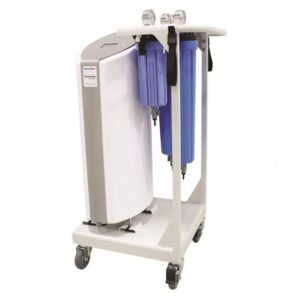
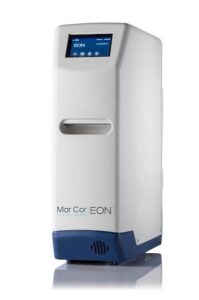
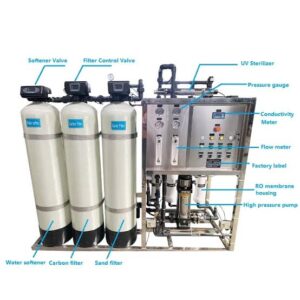
Portable RO vs Traditional Water Filtration
A conventional filter and an RO system perform different functions. Sediment filters primarily target particles, while carbon filtration can address chlorine, taste, and odour. Reverse osmosis filtration uses a membrane and pressure to reduce many dissolved substances.
This distinction matters when choosing a best water purifier in Nigeria or comparing a reverse osmosis water filter with simpler filtration equipment. The right system depends on the contaminant profile, water source, flow requirements, and desired treatment outcome. Buying the most advanced system is not automatically necessary.
Features to Check Before Buying
A practical buying guide should examine membrane capacity, GPD rating, operating pressure, pump specifications, filtration stages, recovery rate, filter availability, and replacement costs. For example, a 400 GPD RO system has different production characteristics from a small domestic unit. Buyers should also examine membrane life, warranty coverage, installation requirements, and spare-part availability.
Consider the ro membrane price, filter replacement cost, installation cost, electricity consumption, maintenance cost, and expected running cost. A low purchase price may become expensive when replacement components are difficult to obtain. Professional installation can also help prevent leaks, pressure problems, incorrect connections, and premature membrane failure.
Common Problems and Maintenance Guide
Low water production can result from clogged filters, inadequate pressure, membrane fouling, low temperature, or restricted tubing. Poor taste can indicate exhausted carbon filters, overdue maintenance, membrane problems, or contamination. Sudden changes in TDS or flow should therefore be investigated rather than ignored.
A proper maintenance guide should include scheduled filter replacement, membrane inspection, system sanitization, leak checks, and performance monitoring. Users should follow manufacturer specifications for changing reverse osmosis filters and replacing consumable components. Regular maintenance helps protect the membrane and preserve consistent treatment performance.
Where Vistacraft Supports Water Treatment Solutions
Water conditions vary considerably across Nigeria. Requirements in Lagos, Abuja, Port Harcourt, Kaduna, Uyo, Asaba, Warri, and Ibadan may differ from those in Benin, Bonny Island, Enugu, Kano, or Jos.
Similar considerations apply across Suleja – Niger State, Karu – Nasarawa State, Mararaba – Nasarawa State, Keffi – Nasarawa State, Gurara – Niger State, Zuba – FCT, Gwagwalada – FCT, Kuje – FCT, Bwari – FCT, and Abaji – FCT. Water sources and infrastructure also vary across Sokoto, Minna, Zaria, Katsina, Dutse, Maiduguri, Gombe, Bauchi, Yola, and Jalingo.
Further applications can extend through Makurdi, Abakaliki, Awka, Onitsha, Owerri, Umuahia, Rivers State, Akwa Ibom State, Delta State, Edo State, Abeokuta, Ogun State, Ilorin, Lokoja, Akure, Oshogbo, Ekiti, and Ile-Ife. Across these locations, professional assessment helps match treatment technology with actual water conditions.
Vistacraft Builders provides water-treatment solutions for residential, commercial, institutional, and industrial applications. Its approach focuses on practical water-quality assessment, appropriate equipment selection, professional installation, and maintainable treatment systems.
Frequently Asked Questions
Is a Portable Reverse Osmosis System suitable for home use?
Yes. It can provide point-of-use purified water for drinking and cooking when correctly selected, installed, and maintained. Source-water testing should precede equipment selection.
Can portable RO treat borehole water?
Yes, but pretreatment may be necessary. Sediment, iron, hardness, high TDS, and other conditions can affect membrane performance and operating costs.
Does RO remove minerals?
RO can reduce many dissolved minerals and salts. A remineralization filter can be incorporated where restoring selected minerals is appropriate.
How much does a portable RO system cost?
Cost varies according to capacity, membrane technology, filtration stages, pump requirements, accessories, installation, and maintenance. Replacement filters and membrane costs should be included in comparisons.
Is portable RO better than a normal water filter?
The technologies address different treatment needs. RO provides membrane-based dissolved-contaminant reduction, while conventional filters may primarily target sediment, chlorine, taste, and odour.
Can portable RO be used for commercial applications?
Some portable systems can support small commercial requirements. Larger restaurants, hotels, factories, hospitals, and production facilities may require dedicated commercial or industrial systems.
Conclusion
A Portable Reverse Osmosis System provides a flexible way to produce cleaner drinking water in suitable locations without immediately installing a large centralized treatment plant. Its real value comes from matching membrane technology, filtration stages, capacity, and pretreatment to the source-water conditions. Proper installation and regular maintenance are equally important for reliable performance. For homes, offices, field projects, and selected commercial applications, portable RO can be a powerful component of a carefully designed water-treatment strategy.Get Your Water Treatment Solution!
🌐 Visit: www.vistacraftbuilders.com.ng 📧 Email: info@vistacraftbuilders.com.ng 📞 Call/WhatsApp: +234 911 416 6874
Vistacraft Builders — Building Quality. Creating Lasting Value. At Vistacraft Builders, we provide – Portable Toilets in Nigeria, Portable Toilets Price in Nigeria, Mobile Toilet for Hire, Building Site Toilet Hire, Portable Toilets for Elderly Users, Medical Portable Toilets, Portable Toilets for RVs, FRP Portable Toilet, Readymade Toilet and Bathroom, Emergency Portable Toilet Rental, Portable Toilet Business in Nigeria, Portable Toilet Rental Cost, Portable Chemical Toilet vs Flush Toilet, Camco Portable Toilet, Portable Sink and Toilet, Portable Toilet Price in Nigeria, Portable Toilets for Sale in Nigeria, Portable Toilet Suppliers in Nigeria, Water Filter and Purifier for Tank, Water Purifier in Nigeria, Reverse Osmosis Explained, RO Water Purifier, Reverse Osmosis Machine, RO Technology in Water, Reverse Osmosis Water Treatment, Under Sink Reverse Osmosis System, Whole Home Reverse Osmosis, Residential Reverse Osmosis System, Tankless Reverse Osmosis System, Portable Reverse Osmosis System,