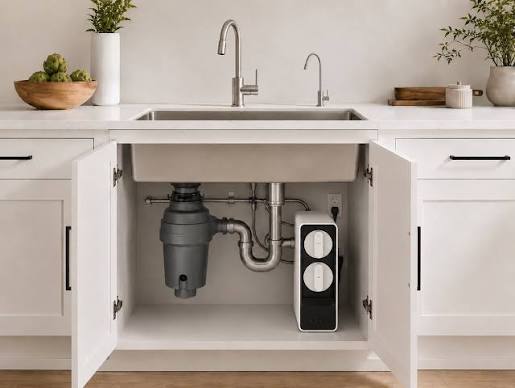
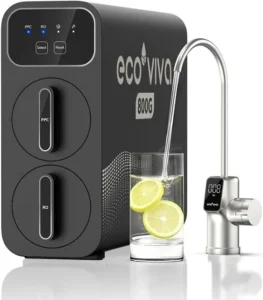
Tankless Reverse Osmosis System technology is a modern water purification solution that filters water directly through a high-performance membrane without relying on a traditional storage tank. It typically combines sediment filtration, carbon filtration, a ro membrane, and reverse osmosis purification to reduce many dissolved contaminants. The result is cleaner, clearer, better-tasting ro water delivered when needed. This makes the technology particularly useful for apartments, large families, offices, restaurants, hotels, hospitals, and modern residential developments.
Unlike conventional systems that store purified water in a separate reverse osmosis tank, a tankless design produces water on demand. Depending on its configuration, a system can incorporate multiple filtration stages, a high-efficiency pump, digital monitoring, and remineralization filter technology. Some advanced models also combine reverse osmosis with carbon filter technology or UV treatment. The exact specification should match the source water, household demand, pressure, and measured TDS.
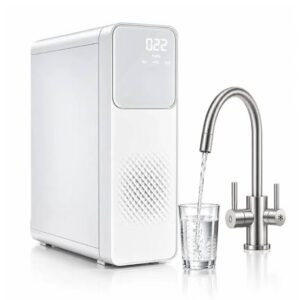
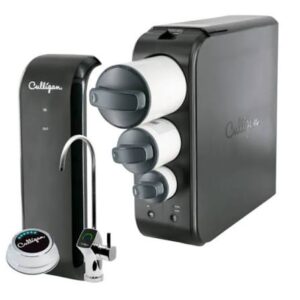
How Does a Tankless Reverse Osmosis System Work?
The purification process usually begins with a sediment filter that captures larger particles such as sand, rust, and suspended matter. Carbon filtration then helps reduce chlorine, unpleasant odours, and compounds that affect taste. Water subsequently passes through a pressurized reverse osmosis membrane, where many dissolved substances are separated from the treated water.
The purified stream then passes through additional polishing or remineralization stages, depending on the system configuration. A smart pump maintains suitable pressure while sensors can monitor production and filter conditions. This step-by-step process makes reverse osmosis water treatment particularly valuable where borehole water, well water, hard water, salty water, or high-TDS water creates persistent quality concerns.
8 Powerful Benefits of a Tankless System
1. Saves Valuable Space – Tankless Reverse Osmosis System
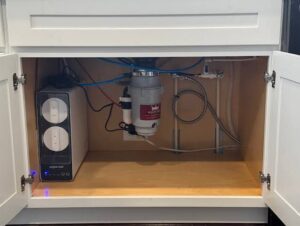
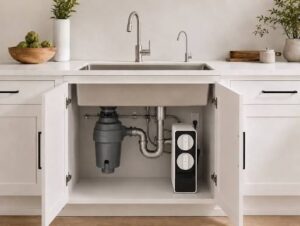
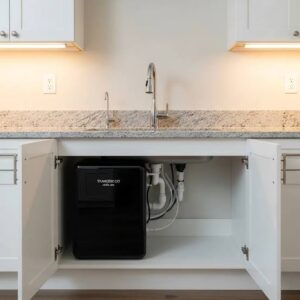
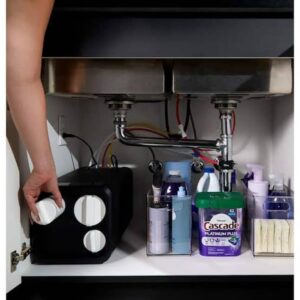
One of the most obvious advantages is its compact footprint. Removing the traditional storage tank makes an under sink reverse osmosis installation easier to accommodate in contemporary kitchens. Counter space remains available for appliances, food preparation, and everyday activities.
This advantage also matters in apartments and offices where every cabinet matters. A compact countertop reverse osmosis solution can provide another option where under-counter installation is unsuitable. The right configuration depends on water demand and available plumbing space.
2. Produces Fresh Water on Demand – Tankless Reverse Osmosis System
Traditional storage-based systems retain purified water inside a tank until it is needed. A tankless design instead produces treated water when the user opens the dedicated faucet. This provides a convenient approach for drinking water, cooking, coffee preparation, and other household needs.
For families, this on-demand approach can support consistent access to freshly treated water. It can also reduce concerns associated with keeping purified water stored for extended periods. However, proper filter replacement and system sanitation remain essential.
3. Advanced Filtration Performance – Tankless Reverse Osmosis System
A quality system can combine sediment filtration, activated carbon, membrane filtration, and optional polishing stages. The reverse osmosis filtration process can significantly reduce many dissolved substances, depending on membrane performance and source-water conditions.
This makes the technology particularly useful for addressing water quality problems involving high TDS, unpleasant taste, mineral-heavy water, and certain contaminants. A professional water analysis should determine which treatment stages are actually necessary.
4. Smart and Efficient Operation – Tankless Reverse Osmosis System
Modern systems are designed around efficiency, convenience, and improved monitoring. Some high-performance models use variable-speed or efficient pumps to maintain membrane pressure while supporting faster water production.
Features can include filter-life indicators, automatic flushing, leak detection, digital displays, and automatic shut-off. These features can make maintenance easier while helping homeowners identify warning signs before minor issues become costly problems.
5. Cleaner-Tasting Drinking Water – Tankless Reverse Osmosis System
Poor-quality water can have a noticeable taste or smell caused by chlorine, dissolved minerals, organic compounds, or other water-quality factors. Properly configured reverse osmosis water purification can substantially improve the sensory quality of drinking water.
For households using borehole or well water, the difference can be particularly noticeable. Water can become clearer, cleaner-tasting, and more refreshing after appropriate pretreatment and purification. The system should still be selected according to laboratory testing rather than taste alone.
6. Excellent for Modern Homes and Businesses – Tankless Reverse Osmosis System
A residential system can support drinking and cooking requirements without occupying substantial storage space. Larger installations can also serve offices, restaurants, schools, hotels, healthcare facilities, and commercial environments.
For higher demand, a commercial reverse osmosis system or industrial reverse osmosis system may be more appropriate. Production requirements can range from domestic units to systems delivering hundreds or thousands of gallons per day. Capacity, recovery rate, pressure, membrane specifications, and pretreatment become increasingly important as demand grows.
7. Flexible Installation Options – Tankless Reverse Osmosis System
Tankless systems can be configured for different applications, including kitchens, offices, apartments, restaurants, and commercial water production. Options may include under sink reverse osmosis system, countertop systems, and larger centralized installations.
Homeowners should consider incoming pressure, available drainage, electrical requirements, cabinet dimensions, daily consumption, and source-water characteristics. For borehole installations, additional sediment, iron, softening, or other pretreatment may be required before the RO stage.
8. Lower Maintenance Footprint – Tankless Reverse Osmosis System
A tankless configuration can simplify the physical layout because there is no large storage vessel occupying cabinet space. Filter replacement remains essential, but many modern systems provide indicators that make servicing easier.
A practical maintenance guide should include scheduled sediment and carbon filter replacement, membrane inspection, sanitization, leak checks, and performance testing. Ignoring maintenance can reduce flow, increase operating costs, damage membranes, and compromise overall water quality.
Tankless RO vs Traditional RO: What Should You Choose?
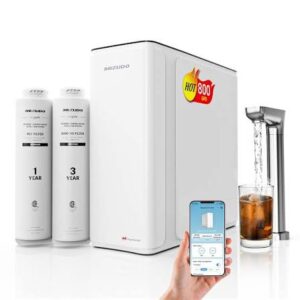
The best option depends on your water source, consumption, budget, pressure, available space, and desired production capacity. A traditional system with a storage tank may suit users who require stored purified water and have limited incoming pressure. A tankless model may appeal to homeowners prioritizing compact design, on-demand production, and modern monitoring.
Before comparing ro system price, reverse osmosis system price, or installation cost, examine the complete cost breakdown. Consider filters, membrane replacement, electricity, water recovery, professional installation, maintenance, and replacement parts. The cheapest purchase price does not necessarily represent the lowest total cost of ownership.
Choosing the Right RO System for Nigerian Water Conditions
Water conditions differ considerably across Nigeria. A system serving Lagos may face different challenges from one installed in Abuja, Port Harcourt, Kaduna, Uyo, Asaba, Warri, or Ibadan. Borehole installations may also require different pretreatment from municipal supplies.
Similar considerations apply in Benin, Enugu, Kano, Jos, Suleja – Niger State, Karu – Nasarawa State, Mararaba – Nasarawa State, Keffi – Nasarawa State, Gurara – Niger State, Zuba – FCT, Gwagwalada – FCT, Kuje – FCT, Bwari – FCT, and Abaji – FCT.
Regional requirements also extend to Sokoto, Minna, Zaria, Katsina, Dutse, Maiduguri, Gombe, Bauchi, Yola, Jalingo, Makurdi, Abakaliki, Awka, Onitsha, Owerri, Umuahia, and Rivers State. In southern locations, including Akwa Ibom State, Delta State, Edo State, Abeokuta, and Ogun State, source-water testing remains essential.
For broader West African applications, treatment requirements can also differ across Accra, Kumasi, Cotonou, Lomé, Abidjan, Monrovia, Freetown, Banjul, Cape Verde, and Dakar. A professional assessment therefore provides a more reliable specification than simply choosing the most heavily marketed model.
Features and Specifications to Check Before Buying – Tankless Reverse Osmosis System
A useful buying guide should examine membrane capacity, GPD rating, filtration stages, pump quality, recovery ratio, filter availability, pressure requirements, and replacement costs. A 400 GPD RO system, for example, may suit a different application from a small domestic unit.
Buyers should also examine whether the system includes a UV light for RO system, carbon filtration, remineralization, leak protection, digital monitoring, or automatic flushing. Ask for the membrane specification, filter life, warranty, installation requirements, and expected maintenance cost.
Whether you search for a best RO water purifier, reverse osmosis system for home, whole house reverse osmosis system, or commercial RO system, focus on the actual water problem rather than the product name. Professional sizing is particularly important for hospitals, hotels, factories, estates, schools, restaurants, and pure-water production facilities.
Common RO Problems and Maintenance Mistakes – Tankless Reverse Osmosis System
Reduced flow may indicate clogged filters, insufficient pressure, membrane fouling, or a restricted line. Unusual taste can indicate exhausted carbon filters, poor sanitization, incorrect installation, or a membrane requiring replacement.
Common mistakes include delaying filter changes, ignoring source-water testing, installing unsuitable pretreatment, and choosing a system solely because of a low price. These avoidable errors can increase maintenance costs and shorten membrane life.
Vistacraft Builders provides water treatment solutions designed around practical source-water and application requirements. Its approach can support domestic, commercial, institutional, and industrial water purification needs across Nigeria and other African markets.
Frequently Asked Questions
What is a Tankless Reverse Osmosis System?
It is an RO purification system that produces treated water on demand without storing purified water in a conventional tank. It typically uses sediment, carbon, and membrane filtration.
Is tankless RO better than traditional RO?
Neither configuration is universally suitable for every application. Tankless systems emphasize compact design and on-demand production, while traditional systems can provide stored purified water.
Can tankless RO treat borehole water?
Yes, but borehole water should be tested first. High sediment, iron, hardness, salinity, or other conditions may require pretreatment before the RO membrane.
How often should RO filters be changed?
Replacement intervals depend on source-water quality, consumption, filter type, and manufacturer specifications. Performance testing and filter indicators can help determine appropriate servicing intervals.
Is reverse osmosis suitable for homes?
Yes. A correctly sized residential RO system can provide purified drinking and cooking water for households, apartments, offices, and other applications.
What affects reverse osmosis system cost?
Major factors include capacity, membrane type, number of filtration stages, pump configuration, pretreatment, installation complexity, replacement parts, and maintenance requirements.
Does RO remove useful minerals?
RO can reduce dissolved minerals alongside other dissolved substances. Systems using a remineralization filter can add selected minerals back into the treated water after membrane filtration.
Where can I get a professional RO installation?
A qualified water-treatment provider should assess the source water, consumption, pressure, required capacity, installation environment, and maintenance requirements before recommending equipment.Get Your Water Treatment Solution!
🌐 Visit: www.vistacraftbuilders.com.ng 📧 Email: info@vistacraftbuilders.com.ng 📞 Call/WhatsApp: +234 911 416 6874
Vistacraft Builders — Building Quality. Creating Lasting Value. At Vistacraft Builders, we provide – Portable Toilets in Nigeria, Portable Toilets Price in Nigeria, Mobile Toilet for Hire, Building Site Toilet Hire, Portable Toilets for Elderly Users, Medical Portable Toilets, Portable Toilets for RVs, FRP Portable Toilet, Readymade Toilet and Bathroom, Emergency Portable Toilet Rental, Portable Toilet Business in Nigeria, Portable Toilet Rental Cost, Portable Chemical Toilet vs Flush Toilet, Camco Portable Toilet, Portable Sink and Toilet, Portable Toilet Price in Nigeria, Portable Toilets for Sale in Nigeria, Portable Toilet Suppliers in Nigeria, Water Filter and Purifier for Tank, Water Purifier in Nigeria, Reverse Osmosis Explained, RO Water Purifier, Reverse Osmosis Machine, RO Technology in Water, Reverse Osmosis Water Treatment, Under Sink Reverse Osmosis System, Whole Home Reverse Osmosis, Residential Reverse Osmosis System, Tankless Reverse Osmosis System