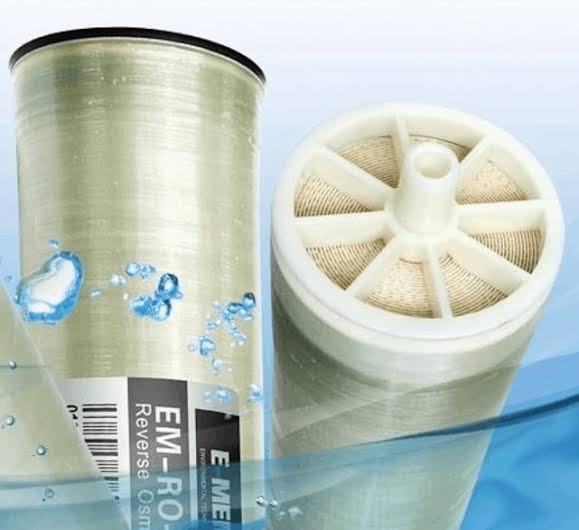
RO Membrane is the core separation component inside a reverse osmosis system, reducing many dissolved salts, minerals, and other impurities from water. Replacing it at the right time can restore production, water quality, pressure, and overall system efficiency. However, changing a membrane without checking the cause of poor performance can lead to an expensive and avoidable mistake. This guide explains the critical things to know before buying, installing, or replacing an RO membrane for home, commercial, or industrial use.
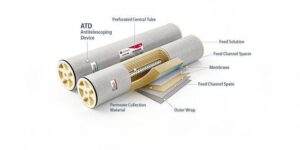
What Is an RO Membrane?
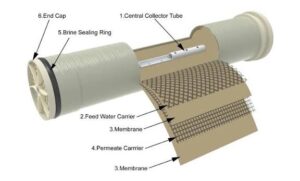
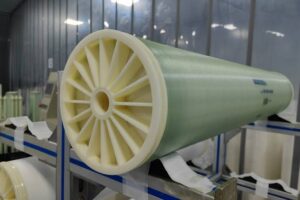
An RO Membrane is a semi-permeable membrane used in reverse osmosis to separate water from many dissolved substances. Pressure pushes feed water against the membrane, allowing water molecules to pass while a significant portion of dissolved contaminants remains in the concentrate stream. The membrane operates inside a membrane housing, usually alongside pumps, filters, pressure controls, and storage components. Its performance depends heavily on feed-water quality, pressure, temperature, recovery rate, pretreatment, and maintenance.
Unlike a simple ro filter, an RO membrane performs the central separation function in the treatment process. Sediment and carbon filters protect the membrane from particles, chlorine, and other substances that can damage or foul it. A softener may also be necessary when hard water creates significant scaling pressure. Therefore, replacing the membrane without checking pretreatment can result in another premature failure.
1. Know the Warning Signs Before Replacing Your RO Membrane
A declining RO Membrane can produce several noticeable warning signs. These include reduced water production, rising TDS in permeate water, changes in taste, increasing pressure requirements, or unusual rejection performance. A sudden reduction in flow does not automatically mean the membrane has failed. Clogged sediment filters, low feed pressure, temperature changes, pump problems, and fouling can create similar symptoms.
Testing should therefore come before replacement. Measure feed-water TDS, permeate TDS, pressure, flow rate, temperature, and recovery where practical. Comparing current performance with the system’s original specifications can reveal whether membrane deterioration is actually occurring. This simple troubleshooting step can prevent a costly and unnecessary replacement.
2. Check the Membrane Specifications
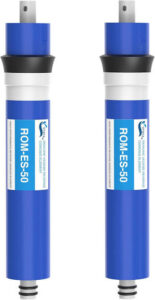
Not every membrane fits every reverse osmosis system. Important specifications include membrane dimensions, capacity, operating pressure, salt-rejection characteristics, material, and compatibility with the system. Residential equipment may use compact membranes, while commercial and industrial systems require larger high-capacity elements. A 400 GPD RO system, for example, requires a membrane designed for its operating conditions.
Before purchasing, confirm the membrane model and housing dimensions. Also check whether the replacement is intended for municipal water, borehole water, well water, brackish water, or another application. Using the wrong membrane can produce disappointing flow or rejection performance. A professional supplier should be able to verify compatibility before installation.
3. Understand Membrane Capacity and GPD
GPD means gallons per day and describes nominal membrane production under specified conditions. A membrane’s actual output can differ considerably depending on feed-water temperature, pressure, TDS, fouling, recovery, and system design. Therefore, advertised capacity should not be interpreted as guaranteed real-world production. This is particularly important when comparing residential, commercial, and industrial membranes.
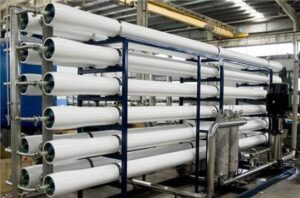
For example, a small ro water purifier may use a lower-capacity membrane than a commercial treatment plant. A large facility may require multiple membrane elements operating within pressure vessels. The right capacity should be determined from daily water demand and system operating conditions. Oversizing or undersizing can both create operational inefficiencies.
4. Check Feed-Water Quality Before Installation
Feed-water chemistry has a major effect on membrane performance. Hardness, iron, sediment, chlorine, high TDS, turbidity, microorganisms, and organic matter can create different fouling or scaling challenges. Borehole and well water can require specialized pretreatment before entering the RO stage. Municipal water may present different concerns, including chlorine exposure.
A proper treatment train may therefore include a sediment filter, carbon filter, water softener, iron-removal stage, or other pretreatment. For challenging sources, professional water analysis should precede equipment selection. This creates a safer and more reliable foundation for reverse osmosis water treatment.
5. Never Ignore Pretreatment
Pretreatment is one of the most overlooked factors affecting membrane life. Sediment can clog membrane surfaces, while hardness can contribute to mineral scaling. Chlorine can damage certain thin-film composite membranes, making carbon filtration important where chlorine is present. Iron and other substances may also require dedicated treatment.
A complete system could therefore include sediment filtration, activated carbon, softening, RO, and post-treatment. Some applications may also use UV or remineralization. The exact configuration depends on laboratory results and the intended application. Good pretreatment can be more valuable than simply purchasing an expensive replacement membrane.
6. Know the Difference Between Fouling and Scaling
Fouling occurs when substances accumulate on the membrane surface and restrict performance. Scaling occurs when dissolved minerals precipitate and form deposits on the membrane. Both problems can reduce flow and increase pressure requirements. Their causes and treatment strategies can differ significantly.
Fouling may involve sediment, microorganisms, organic material, or colloidal substances. Scaling can involve hardness-related minerals and other dissolved compounds. Identifying the cause is therefore essential before replacing the membrane. Otherwise, the new membrane may experience the same problem within a short period.
7. Consider Membrane Replacement Cost and Total Cost
Searching for RO membrane price, ro membrane cost, or reverse osmosis membrane price provides useful market information. However, the membrane itself is only one part of the replacement expense. Installation, housing inspection, sanitation, prefilters, connectors, transport, labour, and subsequent maintenance can influence total cost. Commercial and industrial installations can involve considerably more complex replacement procedures.
The cost of membrane of RO also varies according to membrane capacity, brand, material, application, and performance specifications. A cheaper membrane is not automatically the most cost-effective choice. Compatibility, expected service life, water quality, and availability of replacement parts should also be considered. A proper cost breakdown provides a more realistic picture of the investment.
8. Inspect the RO System Before Installing the New Membrane
A membrane replacement is an ideal time to inspect the rest of the system. Check the membrane housing, O-rings, connectors, tubing, pressure vessels, pumps, valves, storage tank, and pretreatment filters. Damaged components can cause leaks or poor performance even after a new membrane is installed. Old filters can also undermine the performance of a replacement membrane.
The system should be cleaned and sanitized according to the manufacturer’s requirements. Correct installation direction and sealing are also important. After installation, the membrane should be flushed appropriately before treated water is used. Professional installation is particularly valuable for commercial and industrial systems.
9. Understand Maintenance and Membrane Life
Membrane life varies according to feed-water quality, operating conditions, pretreatment, cleaning practices, and usage. There is no universal replacement date that applies to every installation. Regular monitoring can identify performance deterioration before it becomes a major problem. This makes preventive maintenance an important part of a complete RO membrane maintenance guide.
Useful maintenance records can include TDS, pressure, permeate flow, feed flow, recovery, filter replacement dates, and cleaning activities. These measurements create a performance history for the system. They can also help operators distinguish normal performance changes from genuine membrane deterioration. A data-based approach is more reliable than replacing components based only on time.
10. Choose the Right Replacement for Your Application
The right membrane for an under sink reverse osmosis system may not be appropriate for a commercial plant. Residential systems, hotels, restaurants, hospitals, schools, factories, estates, and water-production businesses have different flow and quality requirements. Industrial systems may use multiple membrane elements, higher pressures, automated controls, and specialized pretreatment. The replacement should therefore match the application rather than simply matching the physical size.
When searching for RO membrane for sale, consider supplier reliability, technical support, genuine specifications, availability, warranty conditions, and replacement parts. Ask for a quotation that identifies the membrane model, capacity, operating conditions, and compatibility. This approach helps reduce the risk of purchasing an unsuitable or counterfeit component.
RO Membrane Replacement: A Practical Step-by-Step Guide
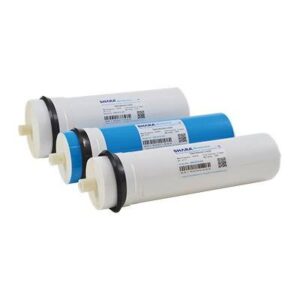
Start by testing the feed water and checking the system’s current performance. Next, inspect prefilters, pressure, pumps, tubing, valves, and membrane housing for potential causes of poor performance. Confirm the exact membrane specification before purchasing a replacement. Finally, install, flush, sanitize, and test the system before returning it to normal operation.
This process is especially important for commercial reverse osmosis system installations. A production facility cannot afford repeated downtime caused by incorrect components or unresolved pretreatment problems. Professional technicians can assess the system and recommend suitable replacement parts. The same principle applies to residential systems where water quality and reliable daily production matter.
Choosing an RO Membrane in Nigeria and Africa
Water-treatment requirements vary significantly across Nigeria, including Lagos, Abuja, Port Harcourt, Kaduna, Uyo, Asaba, Warri, Ibadan, Benin, Bonny Island, Enugu, Kano, and Jos. Similar requirements occur in Suleja – Niger State, Karu – Nasarawa State, Mararaba – Nasarawa State, Keffi – Nasarawa State, Gurara – Niger State, Zuba – FCT, Gwagwalada – FCT, Kuje – FCT, and Bwari – FCT. Source-water conditions can differ substantially between locations, making water testing important before selecting membrane specifications.
Demand also extends across Sokoto, Minna, Zaria, Katsina, Dutse, Maiduguri, Gombe, Bauchi, Yola, Jalingo, Makurdi, Abakaliki, Awka, Onitsha, Owerri, Umuahia, and Rivers State. Other markets include Akwa Ibom State, Delta State, Edo State, Abeokuta, Ogun State, Ilorin, Lokoja, Akure, Oshogbo, Ekiti, and Ile-Ife. Across West Africa, treatment requirements also arise in Accra, Kumasi, Cotonou, Lomé, Abidjan, Monrovia, Freetown, Banjul, Cape Verde, and Dakar.
Vistacraft Builders provides professional water-treatment solutions, including RO equipment and membrane replacement support for residential, commercial, and industrial applications. The appropriate membrane can be selected according to water source, treatment capacity, feed-water chemistry, and system specifications. Its service approach can include equipment selection, quotation, installation, maintenance, and replacement requirements. This helps clients make technical decisions based on actual treatment needs rather than assumptions.
Common RO Membrane Replacement Mistakes
Several mistakes can make replacement unnecessarily expensive. These include replacing the membrane without testing TDS, ignoring low feed pressure, leaving clogged prefilters unchanged, using an incompatible membrane, and failing to inspect the membrane housing. Another common mistake is assuming every RO problem originates from the membrane. These oversights can produce disappointing results even with a premium replacement.
A better approach is to diagnose first and replace second. Check pressure, flow, TDS, pretreatment, temperature, and system condition before making a purchase. This creates a more reliable troubleshooting process and helps identify the actual cause. It can also extend the service life of future membranes.
Frequently Asked Questions
How do I know when my RO Membrane needs replacement?
Common indicators include declining permeate flow, increased permeate TDS, reduced rejection, or persistent performance problems after filters and pressure have been checked.
How long does an RO membrane last?
There is no universal lifespan. Service life depends on water quality, pretreatment, operating conditions, cleaning, usage, and maintenance.
Can I replace an RO membrane myself?
Small residential systems may allow user replacement, but commercial and industrial systems often benefit from professional installation, testing, and sanitation.
What causes RO membrane failure?
Common causes include fouling, scaling, chlorine exposure, poor pretreatment, inadequate pressure, improper cleaning, and unsuitable operating conditions.
Should I replace filters when replacing the membrane?
Prefilters should be inspected and replaced when necessary. Installing a new membrane behind exhausted filters can compromise performance and membrane life.
Is a more expensive membrane always better?
Not necessarily. Compatibility, specifications, feed-water conditions, expected performance, service support, and total operating cost are more important than price alone.
Conclusion
An RO Membrane is one of the most important components in a reverse osmosis treatment system. Replacing it correctly requires more than purchasing a membrane with a familiar capacity or attractive price. Water quality, pressure, pretreatment, fouling, scaling, membrane specifications, and system condition should all be evaluated first. A careful replacement process can restore reliable performance while avoiding costly and preventable mistakes.
Vistacraft Builders supports water-treatment projects with professional equipment guidance and solutions for residential, commercial, and industrial applications. Whether you need membrane replacement, system installation, maintenance, or a complete treatment solution, the starting point should always be the water and the application.Get Your Water Treatment Solution!
🌐 Visit: www.vistacraftbuilders.com.ng 📧 Email: info@vistacraftbuilders.com.ng 📞 Call/WhatsApp: +234 911 416 6874
Vistacraft Builders — Building Quality. Creating Lasting Value. At Vistacraft Builders, we provide – Portable Toilets in Nigeria, Portable Toilets Price in Nigeria, Mobile Toilet for Hire, Building Site Toilet Hire, Portable Toilets for Elderly Users, Medical Portable Toilets, Portable Toilets for RVs, FRP Portable Toilet, Readymade Toilet and Bathroom, Emergency Portable Toilet Rental, Portable Toilet Business in Nigeria, Portable Toilet Rental Cost, Portable Chemical Toilet vs Flush Toilet, Camco Portable Toilet, Portable Sink and Toilet, Portable Toilet Price in Nigeria, Portable Toilets for Sale in Nigeria, Portable Toilet Suppliers in Nigeria, Water Filter and Purifier for Tank, Water Purifier in Nigeria, Reverse Osmosis Explained, RO Water Purifier, Reverse Osmosis Machine, RO Technology in Water, Reverse Osmosis Water Treatment, Under Sink Reverse Osmosis System, Whole Home Reverse Osmosis, Residential Reverse Osmosis System, Tankless Reverse Osmosis System, Portable Reverse Osmosis System, Countertop Reverse Osmosis System, Water Softener, RO Membrane