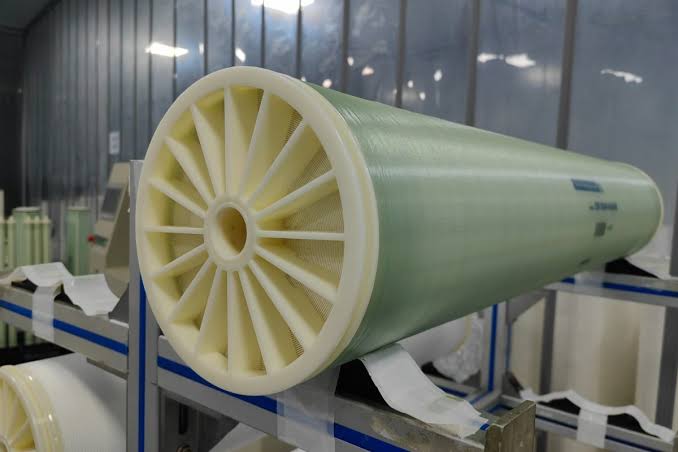
RO Membrane Price refers to the amount you pay to purchase a replacement membrane for a reverse osmosis water-treatment system. However, the price is rarely determined by the membrane alone. Capacity, specifications, water quality, system pressure, membrane type, brand, installation, and application can significantly affect the final replacement cost. Understanding these factors helps homeowners, businesses, and water producers avoid costly mistakes.
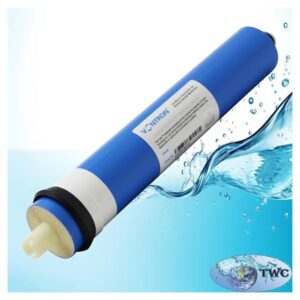
What Does RO Membrane Price Really Mean?
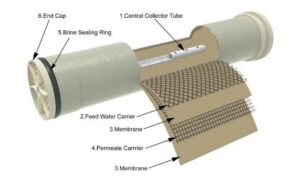
An RO membrane is the semi-permeable component responsible for separating many dissolved contaminants from water during reverse osmosis. Water passes through the membrane under pressure, while many dissolved salts, minerals, and impurities remain in the reject stream. This makes the membrane central to reverse osmosis water treatment, drinking-water production, and commercial filtration.
Therefore, RO Membrane Price should be viewed as part of the complete replacement cost. A membrane for a small residential system can have very different specifications from one used in a commercial or industrial plant. The right choice depends on GPD capacity, operating pressure, feed-water quality, rejection performance, and system configuration.
1. Membrane Capacity Can Dramatically Change the Price
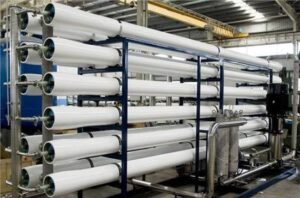
One of the biggest factors affecting membrane cost is production capacity. A domestic membrane designed for a small ro system for home will generally have different specifications from a high-flow commercial membrane. Industrial systems may require multiple membranes working together to support continuous production.
Capacity is commonly expressed in GPD, meaning gallons per day. A 400 GPD RO system, for example, has different production requirements from a large industrial reverse osmosis installation. When comparing prices, check the membrane’s GPD rating instead of comparing products solely by appearance.
A proper price guide should therefore distinguish residential, commercial, and industrial membranes. Capacity also influences pump requirements, membrane housing, pressure conditions, reject-water management, and overall running cost.
2. Feed-Water Quality Influences Replacement Frequency
The condition of incoming water can have a surprisingly strong effect on membrane life. Borehole water, well water, and surface water may contain sediment, iron, hardness, minerals, or other contaminants. Poor pretreatment can cause fouling, scaling, reduced flow, and declining rejection performance.
Dirty water, cloudy water, rusty water, and high-TDS water can place additional demands on the filtration system. A membrane exposed to unsuitable feed water may require replacement sooner. This means the cheapest membrane can become expensive if it delivers a short service life.
Before purchasing a replacement, test the water and review the pretreatment system. Sediment filters, carbon filters, iron-removal systems, and water softeners may be necessary depending on the water source.
3. Membrane Type and Specifications Matter
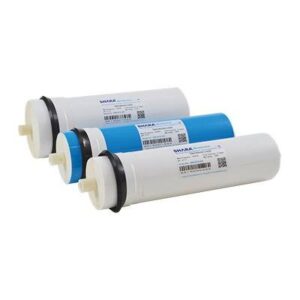
Not every reverse osmosis membrane is interchangeable. Membranes differ by dimensions, capacity, material, salt-rejection performance, pressure requirements, and intended application. A residential membrane may not be suitable for a high-capacity production facility.
The application also matters. A reverse osmosis system for home has different requirements from a commercial reverse osmosis system or industrial reverse osmosis system. Systems serving hotels, hospitals, factories, restaurants, schools, estates, and pure-water businesses may require heavier-duty components.
Check the membrane model, size, GPD rating, operating pressure, and compatibility before ordering. These specifications provide a more reliable comparison than searching for the cheapest ro membrane price.
4. Brand and Membrane Quality Affect Cost
Membrane quality can influence both purchase price and operating performance. Premium components may cost more initially but can offer specifications suited to demanding treatment conditions. However, a higher price does not automatically make a membrane suitable for every system.
The important question is whether the membrane matches the application. Look for reliable specifications, appropriate rejection performance, compatible dimensions, and documented technical requirements. This approach creates a more meaningful price comparison.
When considering products for sale, ask the supplier about warranty terms, replacement parts, installation support, maintenance requirements, and availability. A professional supplier should help match the membrane to the actual system.
5. Pretreatment and System Condition Can Change the Total Cost
Replacing a membrane without examining the rest of the system can create an avoidable expense. An exhausted sediment filter or carbon filter can quickly affect a new membrane. Low pump pressure can also create poor production and misleading performance results.
Inspect the ro membrane housing, pump, tubing, pressure tank, valves, and pretreatment filters. Check for leaks, scaling, damaged seals, and pressure problems. These components influence how efficiently the membrane works.
A complete replacement cost should therefore include more than the membrane itself. Installation, replacement parts, flushing, testing, maintenance, and troubleshooting can all contribute to the final quotation.
6. Installation and Application Location Affect the Final Cost
Installation requirements differ between a kitchen system and a large commercial plant. An under sink reverse osmosis unit may require limited work, while a high-capacity installation can involve pumps, tanks, electrical connections, plumbing, and multiple membrane housings.
Whole-house and industrial installations may also require additional pretreatment. A whole house reverse osmosis system can therefore have a substantially different total cost from a countertop or domestic unit.
Professional installation helps ensure correct membrane positioning, connections, pressure, flushing, and post-installation testing. The installation environment also matters across different locations.
In Lagos, Abuja, Port Harcourt, Kaduna, Uyo, Ibadan, Enugu, and Kano, system requirements can vary according to water source and application. Similar considerations apply across Accra, Kumasi, Cotonou, Lomé, Abidjan, Monrovia, Freetown, Banjul, Cape Verde, and Dakar.
7. Maintenance History Can Determine Whether Replacement Is Necessary
Sometimes the apparent membrane problem is actually a maintenance problem. A sudden increase in TDS may result from poor pressure, exhausted filters, leaks, fouling, scaling, or incorrect system operation.
A useful troubleshooting guide begins with testing rather than immediate replacement. Compare current TDS, flow rate, pressure, and rejection performance against expected specifications. This simple step can reveal whether replacement is genuinely necessary.
Regular maintenance also protects the membrane. Replacing prefilters on schedule, controlling scaling, monitoring pressure, and sanitising appropriate components can improve system reliability. A maintenance plan can therefore reduce long-term replacement cost.
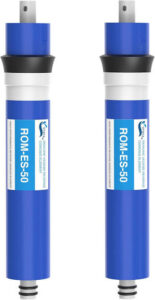
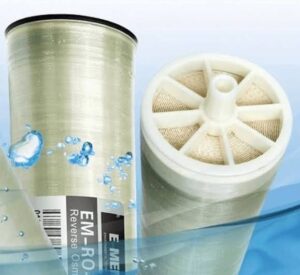
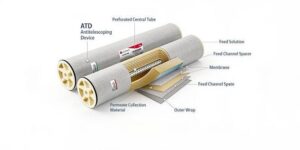
RO Membrane Price vs Total Replacement Cost
When comparing RO membrane price, separate the component price from the complete replacement cost. The membrane may represent only one part of the expenditure.
Consider these factors:
- Membrane purchase price.
- Capacity and GPD rating.
- Shipping or logistics.
- Installation cost.
- Pretreatment replacement.
- Membrane housing condition.
- Pump and pressure requirements.
- Testing and commissioning.
- Maintenance cost.
- Expected membrane life.
This cost breakdown provides a clearer picture of whether replacement is affordable and worth the investment. It also helps businesses prepare a realistic budget instead of relying on a headline price.
Choosing the Right Membrane for Your Application
The right membrane depends on what you are treating and how much water you need. Domestic systems may use a 4 stage reverse osmosis system, 5 stage reverse osmosis system, or 6 stage reverse osmosis system. Some advanced configurations add remineralization or UV treatment.
Commercial and industrial facilities may require high-flow systems, multiple membrane housings, pressure pumps, storage tanks, and sophisticated pretreatment. Applications can include drinking water, water production, hotels, hospitals, restaurants, factories, offices, schools, estates, and large families.
Do not choose solely by searching for the best ro membrane or cheapest replacement. Choose according to feed-water conditions, required capacity, system compatibility, operating pressure, and treatment objectives.
Why Professional Assessment Matters
Vistacraft Builders provides professional water-treatment solutions for residential, commercial, and industrial applications in Nigeria and other African markets. Its approach considers the complete treatment process rather than treating the membrane as an isolated component.
From Sokoto, Minna, Zaria, and Katsina to Maiduguri, Gombe, Bauchi, Yola, and Jalingo, water conditions can differ significantly. The same applies across Abakaliki, Awka, Onitsha, Owerri, Umuahia, Ilorin, Lokoja, Akure, Oshogbo, Ekiti, and Ile-Ife.
A professional assessment can identify the correct membrane specification, pretreatment requirements, installation needs, and maintenance considerations. That makes the final quotation more transparent and technically defensible.
Common Mistakes When Buying a Replacement Membrane
One costly mistake is comparing products only by price. Another is choosing a membrane without checking GPD capacity, pressure requirements, dimensions, or feed-water conditions.
It is also risky to install a new membrane while leaving severely exhausted prefilters unchanged. Poor pretreatment can shorten membrane life and create disappointing results.
A reliable buying guide should therefore consider the complete system. The objective is not simply to purchase a replacement component, but to restore efficient and consistent water treatment.
Frequently Asked Questions
What determines RO Membrane Price?
The main factors include membrane capacity, specifications, quality, application, brand, feed-water conditions, system compatibility, and supplier. Installation and additional replacement parts can increase the total cost.
How do I know which RO membrane to buy?
Check the existing membrane’s dimensions, GPD capacity, operating pressure, model, and system requirements. Water quality testing can also help determine whether additional pretreatment is required.
Is a more expensive membrane always better?
Not necessarily. The correct membrane should match the system and water-treatment requirements. Compatibility and technical performance are more important than price alone.
Can poor water quality increase membrane replacement costs?
Yes. High sediment, hardness, iron, and other contaminants can contribute to fouling or scaling. Appropriate pretreatment can help protect the membrane and improve system performance.
Should I replace the filters when replacing the membrane?
Inspect the sediment and carbon filters during replacement. If they are exhausted or contaminated, replacing them can help protect the new membrane.
Conclusion
RO Membrane Price is only one part of the real replacement equation. Capacity, water quality, specifications, brand, pretreatment, installation, and maintenance can all influence the final cost.
The smartest approach is to evaluate the entire water-treatment system before purchasing a replacement. This helps avoid expensive mistakes while supporting cleaner, more reliable, and efficient water production.
Whether you need a membrane for a home, office, hotel, hospital, factory, estate, commercial facility, or industrial plant, professional assessment can make the replacement process clearer and more cost-effective.
Vistacraft Builders supports customers seeking quality water-treatment solutions, replacement components, professional installation, maintenance services, and customised treatment systems. Get Your Water Treatment Solution!Visit: www.vistacraftbuilders.com.ng 📧 Email: info@vistacraftbuilders.com.ng 📞 Call/WhatsApp: +234 911 416 6874
Vistacraft Builders — Building Quality. Creating Lasting Value. At Vistacraft Builders, we provide – Portable Toilets in Nigeria, Portable Toilets Price in Nigeria, Mobile Toilet for Hire, Building Site Toilet Hire, Portable Toilets for Elderly Users, Medical Portable Toilets, Portable Toilets for RVs, FRP Portable Toilet, Readymade Toilet and Bathroom, Emergency Portable Toilet Rental, Portable Toilet Business in Nigeria, Portable Toilet Rental Cost, Portable Chemical Toilet vs Flush Toilet, Camco Portable Toilet, Portable Sink and Toilet, Portable Toilet Price in Nigeria, Portable Toilets for Sale in Nigeria, Portable Toilet Suppliers in Nigeria, Water Filter and Purifier for Tank, Water Purifier in Nigeria, Reverse Osmosis Explained, RO Water Purifier, Reverse Osmosis Machine, RO Technology in Water, Reverse Osmosis Water Treatment, Under Sink Reverse Osmosis System, Whole Home Reverse Osmosis, Residential Reverse Osmosis System, Tankless Reverse Osmosis System, Portable Reverse Osmosis System, Countertop Reverse Osmosis System, Water Softener, RO Membrane, RO Membrane Price,