
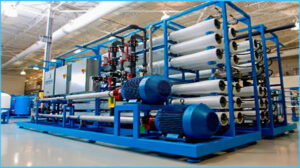
A Commercial Reverse Osmosis System is a high-capacity water-treatment solution designed to reduce many dissolved impurities from water used by businesses and production facilities. It uses pressure to move water through a semi-permeable ro membrane, supported by pretreatment and post-treatment stages. This can help address poor water quality, high TDS, unpleasant taste, sediment, and certain dissolved contaminants. For businesses requiring consistent water, professional system sizing is essential.
10 Powerful Benefits of a Commercial Reverse Osmosis System
1. Delivers Consistent Water Quality
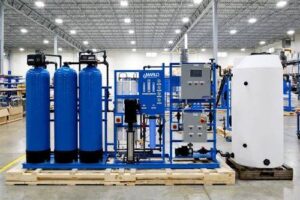
A properly designed reverse osmosis system can provide consistent treated water for drinking, food preparation, manufacturing, hospitality, and other commercial applications. Its multi-stage reverse osmosis filtration process can include sediment and carbon filtration before the membrane. The final configuration depends on laboratory water testing and treatment objectives.2. Handles Higher Water Demand
Unlike many residential units, commercial systems can support higher flow requirements. A properly sized commercial ro system, industrial reverse osmosis system, or 400 GPD RO system can serve demanding applications. Capacity should match peak consumption, storage requirements, operating hours, and future expansion.3. Supports Multiple Industries
A Commercial Reverse Osmosis System can serve hotels, restaurants, hospitals, schools, factories, offices, estates, churches, and water-production businesses. It can also support borehole water, well water, and other sources requiring advanced treatment. The correct system depends on contaminants, flow rate, pressure, and intended use.4. Helps Improve Taste and Appearance
When properly configured, reverse osmosis water treatment can reduce substances associated with unpleasant taste, odour, and certain visible water-quality problems. Combining reverse osmosis and carbon filter technology can provide additional treatment before the membrane. Post-treatment options may include UV or remineralization filter technology.5. Offers Scalable Treatment
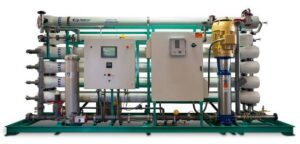
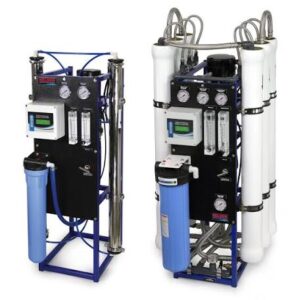
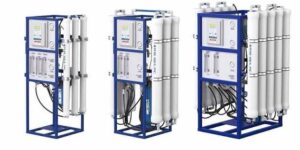
Commercial systems can be designed around different capacities and configurations. Options include 4-stage, 5 stage reverse osmosis system, 6-stage, 7-stage, tankless, and larger industrial arrangements. A modular approach allows businesses to consider current demand while planning for future growth.6. Supports Better Cost Planning – Commercial Reverse Osmosis System
The real reverse osmosis system cost includes equipment, installation, electricity, filter replacement, membrane replacement, maintenance, water usage, and spare parts. Comparing only the purchase price can create costly mistakes. A professional cost breakdown therefore provides a better basis for determining whether the system is worth the investment.7. Protects Production Processes – Commercial Reverse Osmosis System
Poor-quality water can affect equipment, beverages, food preparation, cleaning processes, and manufacturing operations. Appropriate pretreatment can address sediment, hardness, iron, scaling, and other identified issues before RO treatment. This can support more reliable operations and reduce avoidable water-related problems.8. Provides Flexible Installation Options – Commercial Reverse Osmosis System
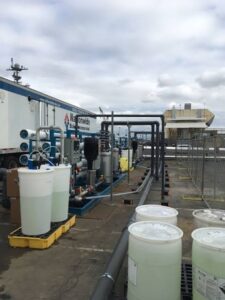
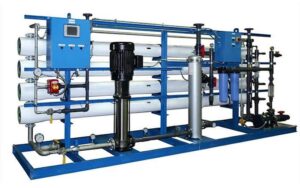
Businesses can consider a large reverse osmosis system, compact commercial unit, or customized RO water treatment system. Components may include pumps, membrane housings, storage tanks, pressure controls, sediment filters, carbon filters, and UV treatment. Professional installation helps ensure appropriate pressure, flow, drainage, and maintenance access.9. Supports Nigerian and African Businesses
Commercial water-treatment needs extend across Nigeria, including Lagos, Abuja, Port Harcourt, Kaduna, Uyo, Asaba, Warri, Ibadan, Benin, Bonny Island, Enugu, Kano, Jos, Suleja, Karu, Mararaba, Keffi, Gurara, Zuba, Gwagwalada, Kuje, Bwari, Abaji, Sokoto, Minna, Zaria, Katsina, Dutse, Maiduguri, Gombe, Bauchi, Yola, Jalingo, Makurdi, Abakaliki, Awka, Onitsha, Owerri, Umuahia, Abeokuta, Ilorin, Lokoja, Akure, Oshogbo, Ekiti, and Ile-Ife. Regional applications also extend to Accra, Kumasi, Cotonou, Lomé, Abidjan, Monrovia, Freetown, Banjul, Cape Verde, and Dakar.10. Enables Professional Water-Treatment Planning
Vistacraft Builders provides water-treatment solutions designed around application, water quality, capacity, installation, and maintenance requirements. The focus is not simply finding the cheapest RO system price, but selecting reliable equipment that matches actual operating conditions. Water testing, professional installation, scheduled maintenance, and appropriate replacement parts remain essential for dependable performance.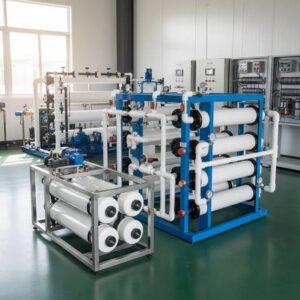
What Should Businesses Consider Before Buying?
A practical buying guide should examine water testing, filtration capacity, membrane specifications, pump requirements, storage, installation cost, maintenance cost, replacement intervals, and available technical support. Businesses should also compare commercial reverse osmosis water filter options based on actual performance rather than stage count alone. This approach helps identify a quality, efficient, and cost-effective solution.Conclusion – Commercial Reverse Osmosis System
A Commercial Reverse Osmosis System can provide businesses with scalable and dependable water treatment when correctly designed and maintained. Its strongest advantages include consistent quality, higher capacity, flexible applications, production support, and better long-term planning. However, system selection should always follow water testing and professional assessment. The right solution delivers practical value without unnecessary complexity.Frequently Asked Questions
How does a commercial RO system work?
It uses pressure to push water through filtration stages and a semi-permeable RO membrane that reduces many dissolved substances.Is a commercial RO system suitable for borehole water?
Yes, but borehole water should be tested first because pretreatment may be required for sediment, iron, hardness, or other contaminants.How much does a commercial RO system cost?
Price varies according to capacity, membrane type, pumps, pretreatment, storage, installation, automation, and maintenance requirements.How often should RO membranes and filters be replaced?
Replacement intervals depend on water quality, usage, pretreatment, operating conditions, and manufacturer recommendations.Get Your Water Treatment Solution!
🌐 Visit: www.vistacraftbuilders.com.ng 📧 Email: info@vistacraftbuilders.com.ng 📞 Call/WhatsApp: +234 911 416 6874 Vistacraft Builders — Building Quality. Creating Lasting Value.At Vistacraft Builders, we provide – Portable Toilets in Nigeria, Portable Toilets Price in Nigeria, Mobile Toilet for Hire, Building Site Toilet Hire, Portable Toilets for Elderly Users, Medical Portable Toilets, Portable Toilets for RVs, FRP Portable Toilet, Readymade Toilet and Bathroom, Emergency Portable Toilet Rental, Portable Toilet Business in Nigeria, Portable Toilet Rental Cost, Portable Chemical Toilet vs Flush Toilet, Camco Portable Toilet, Portable Sink and Toilet, Portable Toilet Price in Nigeria, Portable Toilets for Sale in Nigeria, Portable Toilet Suppliers in Nigeria,
Water Filter and Purifier for Tank, Water Purifier in Nigeria, Reverse Osmosis Explained, RO Water Purifier, Reverse Osmosis Machine, RO Technology in Water, Reverse Osmosis Water Treatment, Under Sink Reverse Osmosis System, Whole Home Reverse Osmosis, Residential Reverse Osmosis System, Tankless Reverse Osmosis System, Portable Reverse Osmosis System, Countertop Reverse Osmosis System, Water Softener, RO Membrane, RO Membrane Price, Water Disinfection System, Small Reverse Osmosis System, ro Drinking Water System, 5 Stage Reverse Osmosis System, Reverse Osmosis Remineralization, Commercial Reverse Osmosis System
Food Preparation Sink, Kitchen Prep Equipment, Vegetable Preparation Machine, Commercial Veg Prep Machine, Difference Between Chilling and Freezing, Chilling in Food Preservation, Ovens and Hobs, Hydrogen Balloons Explained, Hydrogen Balloon Disaster, Hydrogen Balloon for Birthday Party, Hydrogen vs Helium Balloon, Balloon Hydrogen Pump, Industrial Kitchen Equipment, Equipment for Fast Food Business, Industrial Deep Fryer Price, Industrial Pizza Oven Price, Stainless Steel Prep Table With Sink, Industrial Food Processor, Industrial Air Fryer Price, Industrial Dishwasher Price,