
Whole Home Reverse Osmosis is a centralised water-treatment approach that uses a semipermeable membrane to reduce many dissolved substances in household water. When properly designed, it can supply treated water to multiple outlets, including kitchens and bathrooms. For families dealing with salty water, high total dissolved solids (TDS), or certain contaminants, this technology offers a powerful treatment option. However, full-house reverse osmosis requires careful planning because installation costs, water consumption, and wastewater production can be significant. Vistacraft Builders helps households explore suitable water-treatment solutions based on their water source, property requirements, and treatment goals.
What Is Whole Home Reverse Osmosis, and How Does It Work?
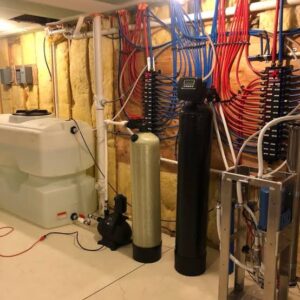
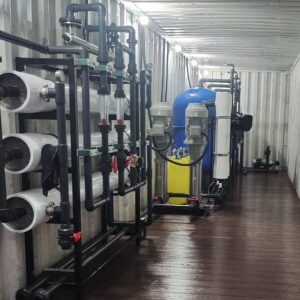
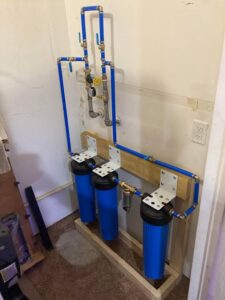
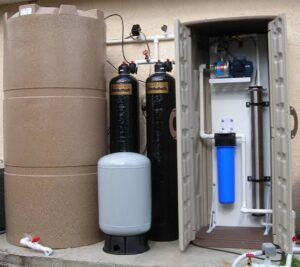
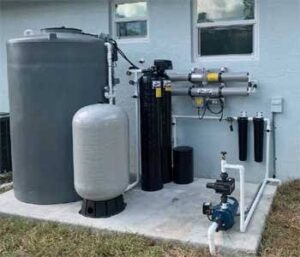
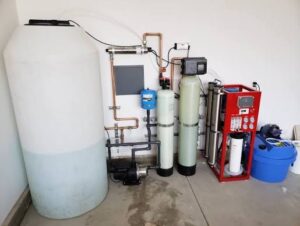
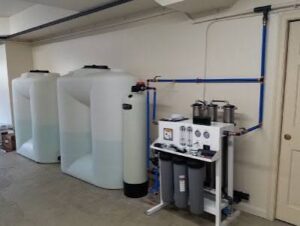
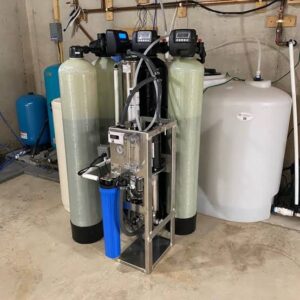
A whole home reverse osmosis system typically combines pretreatment filters, a high-pressure pump, an RO membrane, storage, and distribution equipment. Sediment filtration removes suspended particles, while activated carbon can reduce chlorine and certain organic compounds. The membrane then separates much of the dissolved material from the treated water, producing a concentrated wastewater stream. Depending on the water chemistry, additional equipment may include a water softener, remineralisation filter, or ultraviolet (UV) disinfection unit. A laboratory water test helps determine the appropriate system specifications and whether whole-house RO is necessary.8 Powerful Benefits of Full-House Water Filtration
1. Reduces Many Dissolved Contaminants – whole home reverse osmosis
A properly selected reverse osmosis system can reduce many dissolved salts and selected contaminants. Performance depends on membrane quality, operating pressure, incoming water conditions, and maintenance.2. Supports Better-Tasting Water
Excess dissolved minerals and certain impurities can affect taste. Suitable reverse osmosis filtration may produce cleaner-tasting water for drinking, cooking, and beverage preparation.3. Helps Address Borehole Water Problems – whole home reverse osmosis
Borehole water may contain salinity, hardness, iron, sediment, or microbial contamination. Testing identifies the problem, allowing specialists to recommend RO, iron removal, softening, or disinfection as required.4. Provides a Centralised Treatment Approach – whole home reverse osmosis
A professionally engineered whole house reverse osmosis system can distribute treated water to selected household outlets. Its capacity must match peak demand, storage needs, and the property’s plumbing design.5. Offers Flexible Treatment Configurations – whole home reverse osmosis
A system may combine sediment filters, carbon filters, membranes, pumps, pressure tanks, and remineralisation stages. The best configuration depends on measured water quality rather than the number of filtration stages alone.6. Supports Residential and Commercial Properties – whole home reverse osmosis
High-capacity systems may suit large homes, hotels, hospitals, restaurants, schools, and selected production facilities. Commercial and industrial installations require more detailed flow calculations and operational planning.7. Encourages Better Water-Quality Management
Routine servicing helps maintain filtration performance. Replacing filters, inspecting the membrane, sanitising storage equipment, and periodically testing treated water are essential maintenance practices.8. Helps Families Make Informed Long-Term Investments
The total cost includes equipment, professional installation, electricity, replacement filters, membrane servicing, and wastewater management. For some households, a separate drinking-water RO unit combined with whole-house sediment filtration or softening may be more cost-effective.
Choosing a Reliable RO System in Nigeria
Water-treatment requirements differ across Lagos, Abuja, Port Harcourt, Kaduna, Uyo, Asaba, Warri, Ibadan, Benin City, Bonny Island, Enugu, Kano, Jos, and Minna. Similar considerations apply in Suleja and Gurara in Niger State; Karu, Mararaba, and Keffi in Nasarawa State; and Zuba, Gwagwalada, Kuje, Bwari, and Abaji in the Federal Capital Territory. Households in Sokoto, Zaria, Katsina, Dutse, Maiduguri, Gombe, Bauchi, Yola, Jalingo, Makurdi, Abakaliki, Awka, Onitsha, Owerri, Umuahia, Abeokuta, Ilorin, Lokoja, Akure, Osogbo, and Ile-Ife may also have different treatment needs. Across Rivers State, Akwa Ibom State, Delta State, Edo State, Ogun State, and Ekiti, local source-water testing remains the starting point. Regional projects in Ghana, Benin, Togo, Côte d’Ivoire, Liberia, Sierra Leone, The Gambia, Cape Verde, and Senegal likewise require solutions tailored to local water conditions.Is Whole Home Reverse Osmosis Worth It?
A full-house installation can be valuable when testing confirms that extensive dissolved-contaminant reduction is needed throughout a property. However, it is not automatically the best solution for every home because reverse osmosis produces wastewater and requires ongoing maintenance. Compare system capacity, membrane performance, installation costs, replacement parts, and the supplier’s after-sales support before buying. Choose a professionally designed solution that meets your actual water-quality needs instead of paying for unnecessary treatment stages.Frequently Asked Questions About whole home reverse osmosis
Does whole-house reverse osmosis remove every contaminant?
No. RO reduces many dissolved substances, but some contaminants may require additional treatment. Independent water testing verifies whether the complete treatment system performs as intended.Can reverse osmosis treat borehole water?
Yes, if the equipment is designed for the source water. Sediment filtration, iron removal, softening, or disinfection may be needed before or after the RO membrane.How often should RO filters be replaced?
Replacement schedules vary by filter type, water quality, usage, and manufacturer recommendations. Regular inspections and performance testing help determine when servicing is necessary.Is a whole-house system better than under-sink RO?
Not always. Under-sink RO is often practical for drinking and cooking water, while whole-house treatment serves broader household needs. The right choice depends on water quality, budget, and demand.Get Your Water Treatment Solution!
🌐 Visit: www.vistacraftbuilders.com.ng 📧 Email: info@vistacraftbuilders.com.ng 📞 Call/WhatsApp: +234 911 416 6874 Vistacraft Builders — Building Quality. Creating Lasting Value.At Vistacraft Builders, we provide – Portable Toilets in Nigeria, Portable Toilets Price in Nigeria, Mobile Toilet for Hire, Building Site Toilet Hire, Portable Toilets for Elderly Users, Medical Portable Toilets, Portable Toilets for RVs, FRP Portable Toilet, Readymade Toilet and Bathroom, Emergency Portable Toilet Rental, Portable Toilet Business in Nigeria, Portable Toilet Rental Cost, Portable Chemical Toilet vs Flush Toilet, Camco Portable Toilet, Portable Sink and Toilet, Portable Toilet Price in Nigeria, Portable Toilets for Sale in Nigeria, Portable Toilet Suppliers in Nigeria,
Water Filter and Purifier for Tank, Water Purifier in Nigeria, Reverse Osmosis Explained, RO Water Purifier, Reverse Osmosis Machine, RO Technology in Water, Reverse Osmosis Water Treatment, Under Sink Reverse Osmosis System, Whole Home Reverse Osmosis, Residential Reverse Osmosis System, Tankless Reverse Osmosis System, Portable Reverse Osmosis System, Countertop Reverse Osmosis System, Water Softener, RO Membrane, RO Membrane Price, Water Disinfection System, Small Reverse Osmosis System, ro Drinking Water System, 5 Stage Reverse Osmosis System, Reverse Osmosis Remineralization, Commercial Reverse Osmosis System, Reverse Osmosis Machine Price, Countertop Reverse Osmosis System, whole home reverse osmosis
Food Preparation Sink, Kitchen Prep Equipment, Vegetable Preparation Machine, Commercial Veg Prep Machine, Difference Between Chilling and Freezing, Chilling in Food Preservation, Ovens and Hobs, Hydrogen Balloons Explained, Hydrogen Balloon Disaster, Hydrogen Balloon for Birthday Party, Hydrogen vs Helium Balloon, Balloon Hydrogen Pump, Industrial Kitchen Equipment, Equipment for Fast Food Business, Industrial Deep Fryer Price, Industrial Pizza Oven Price, Stainless Steel Prep Table With Sink, Industrial Food Processor, Industrial Air Fryer Price, Industrial Dishwasher Price,