
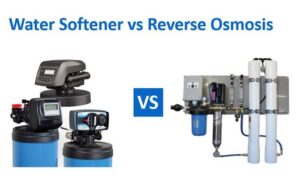
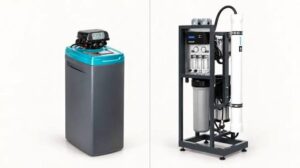
Water Softener and Reverse Osmosis System solutions combine two complementary water treatment technologies to address hard water and reduce many dissolved impurities. A water softener removes hardness minerals, while reverse osmosis (RO) pushes water through a specialised membrane to reduce many dissolved substances. Together, they can improve water quality, help protect RO membranes from scaling, and provide dependable treated water for homes and businesses. The right combination depends on laboratory water testing, daily demand, and the contaminants present.
 Vistacraft Builders provides water treatment solutions for customers seeking dependable filtration options. Service requirements may arise in Lagos, Abuja, Port Harcourt, Kaduna, Uyo, Asaba, Warri, Ibadan, Benin City, Bonny Island, Enugu, Kano, Jos, Suleja, Karu, Mararaba, Keffi, Gurara, Zuba, Gwagwalada, Kuje, Bwari, Abaji, Sokoto, Minna, Zaria, Katsina, Dutse, Maiduguri, Gombe, Bauchi, Yola, Jalingo, Makurdi, Abakaliki, Awka, Onitsha, Owerri, Umuahia, Abeokuta, Ilorin, Lokoja, Akure, Osogbo, Ekiti, and Ile-Ife. Regional enquiries may also come from Rivers State, Akwa Ibom State, Delta State, Edo State, and Ogun State, as well as Ghana, Benin, Togo, Côte d’Ivoire, Liberia, Sierra Leone, The Gambia, Cape Verde, and Senegal, including Accra, Kumasi, Cotonou, Lomé, Abidjan, Monrovia, Freetown, Banjul, and Dakar.
What Is a Water Softener and Reverse Osmosis System?
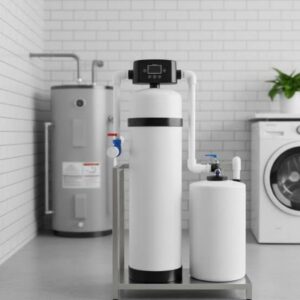
A water softener typically uses ion exchange to replace hardness-causing calcium and magnesium ions with other ions, commonly sodium. A reverse osmosis system uses pressure and a semipermeable membrane to reduce many dissolved salts and selected contaminants. Installing a softener before an RO unit can reduce scaling when incoming water has high hardness. However, neither technology removes every possible contaminant, making water analysis essential.10 Powerful Benefits of Combining Both Technologies
1. Reduces Hard-Water Problems – Water Softener and Reverse Osmosis
Hard water can leave chalky deposits on taps, showerheads, heaters, and kitchen appliances. Softening reduces these deposits and helps maintain smoother household cleaning.2. Helps Protect the RO Membrane – Water Softener and Reverse Osmosis
Excessive hardness can cause mineral scaling on an RO membrane. Proper pretreatment can help preserve performance and reduce avoidable maintenance.3. Improves Drinking Water Quality – Water Softener and Reverse Osmosis
RO filtration reduces many dissolved substances that affect taste and water quality. Actual results depend on the membrane, system specifications, feedwater, and maintenance.4. Supports Borehole Water Treatment – Water Softener and Reverse Osmosis
Borehole and well water may contain hardness, sediment, iron, salinity, or other contaminants. Test the water first to determine whether softening, sediment filtration, iron removal, or RO is appropriate.5. Supports Homes and Apartments – Water Softener and Reverse Osmosis
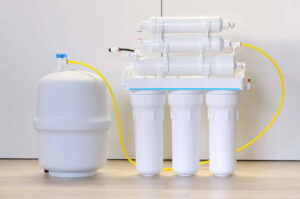
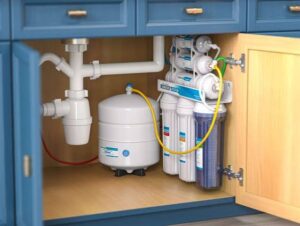
A point-of-entry softener can treat water entering a property, while an under-sink RO unit can provide drinking water. This targeted approach may be more practical than a whole house reverse osmosis system.6. Helps Businesses Manage Water Quality
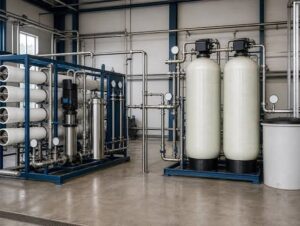
Hotels, restaurants, offices, and food production facilities may benefit from reliable pretreatment. Commercial requirements depend on water consumption, equipment specifications, and required output quality.7. Offers Flexible System Configurations
Options include a 5 stage reverse osmosis system, tankless RO units, countertop filters, and commercial RO plants. Select capacity according to water demand rather than stage count alone.8. Makes Maintenance More Predictable
Scheduled filter changes, membrane checks, sanitisation, and water testing help maintain performance. Follow manufacturer guidance and investigate unusual tastes, odours, or declining output.9. Helps With Long-Term Cost Planning
The reverse osmosis system price depends on capacity, pretreatment, membrane type, installation, and replacement parts. Compare installation cost, electricity, wastewater, filter replacement, and total running costs before purchasing.10. Supports Different Regional Water Needs
Vistacraft Builders provides water treatment solutions for customers seeking dependable filtration options. Service requirements may arise in Lagos, Abuja, Port Harcourt, Kaduna, Uyo, Asaba, Warri, Ibadan, Benin City, Bonny Island, Enugu, Kano, Jos, Suleja, Karu, Mararaba, Keffi, Gurara, Zuba, Gwagwalada, Kuje, Bwari, Abaji, Sokoto, Minna, Zaria, Katsina, Dutse, Maiduguri, Gombe, Bauchi, Yola, Jalingo, Makurdi, Abakaliki, Awka, Onitsha, Owerri, Umuahia, Abeokuta, Ilorin, Lokoja, Akure, Osogbo, Ekiti, and Ile-Ife. Regional enquiries may also come from Rivers State, Akwa Ibom State, Delta State, Edo State, and Ogun State, as well as Ghana, Benin, Togo, Côte d’Ivoire, Liberia, Sierra Leone, The Gambia, Cape Verde, and Senegal, including Accra, Kumasi, Cotonou, Lomé, Abidjan, Monrovia, Freetown, Banjul, and Dakar.
Is Combining a Softener and RO Worth It?
A Water Softener and Reverse Osmosis System can be a valuable investment when testing confirms hardness and dissolved-contaminant concerns. Nevertheless, a softener is not always necessary, and whole-house RO may be excessive for ordinary household needs. Professional assessment helps determine suitable capacity, pretreatment, installation requirements, and maintenance costs.Frequently Asked Questions
Does a water softener purify drinking water?
No. A softener primarily reduces hardness minerals. It does not replace a properly selected drinking-water filtration or disinfection system.Should a softener come before reverse osmosis?
Often, yes, when hardness creates a significant scaling risk. Water testing and manufacturer specifications should determine the treatment sequence.How much does a combined system cost?
Pricing varies with water quality, system capacity, equipment, installation, and maintenance. Request a tailored quotation after assessing the water supply.Can RO remove every contaminant?
No. RO reduces many dissolved substances, but performance varies. Appropriate testing and additional treatment may be necessary. Get Your Water Treatment Solution! 🌐 Visit: www.vistacraftbuilders.com.ng 📧 Email: info@vistacraftbuilders.com.ng 📞 Call/WhatsApp: +234 911 416 6874 Vistacraft Builders — Building Quality. Creating Lasting Value.At Vistacraft Builders, we provide – Portable Toilets in Nigeria, Portable Toilets Price in Nigeria, Mobile Toilet for Hire, Building Site Toilet Hire, Portable Toilets for Elderly Users, Medical Portable Toilets, Portable Toilets for RVs, FRP Portable Toilet, Readymade Toilet and Bathroom, Emergency Portable Toilet Rental, Portable Toilet Business in Nigeria, Portable Toilet Rental Cost, Portable Chemical Toilet vs Flush Toilet, Camco Portable Toilet, Portable Sink and Toilet, Portable Toilet Price in Nigeria, Portable Toilets for Sale in Nigeria, Portable Toilet Suppliers in Nigeria,
Water Filter and Purifier for Tank, Water Purifier in Nigeria, Reverse Osmosis Explained, RO Water Purifier, Reverse Osmosis Machine, RO Technology in Water, Reverse Osmosis Water Treatment, Under Sink Reverse Osmosis System, Whole Home Reverse Osmosis, Residential Reverse Osmosis System, Tankless Reverse Osmosis System, Portable Reverse Osmosis System, Countertop Reverse Osmosis System, Water Softener, RO Membrane, RO Membrane Price, Water Disinfection System, Small Reverse Osmosis System, ro Drinking Water System, 5 Stage Reverse Osmosis System, Reverse Osmosis Remineralization, Commercial Reverse Osmosis System, Reverse Osmosis Machine Price, Countertop Reverse Osmosis System, whole home reverse osmosis, Water Softener and Reverse Osmosis System,
Food Preparation Sink, Kitchen Prep Equipment, Vegetable Preparation Machine, Commercial Veg Prep Machine, Difference Between Chilling and Freezing, Chilling in Food Preservation, Ovens and Hobs, Hydrogen Balloons Explained, Hydrogen Balloon Disaster, Hydrogen Balloon for Birthday Party, Hydrogen vs Helium Balloon, Balloon Hydrogen Pump, Industrial Kitchen Equipment, Equipment for Fast Food Business, Industrial Deep Fryer Price, Industrial Pizza Oven Price, Stainless Steel Prep Table With Sink, Industrial Food Processor, Industrial Air Fryer Price, Industrial Dishwasher Price,